








Hasan S. Cemkan
Corporate
- Thread Author
- #1
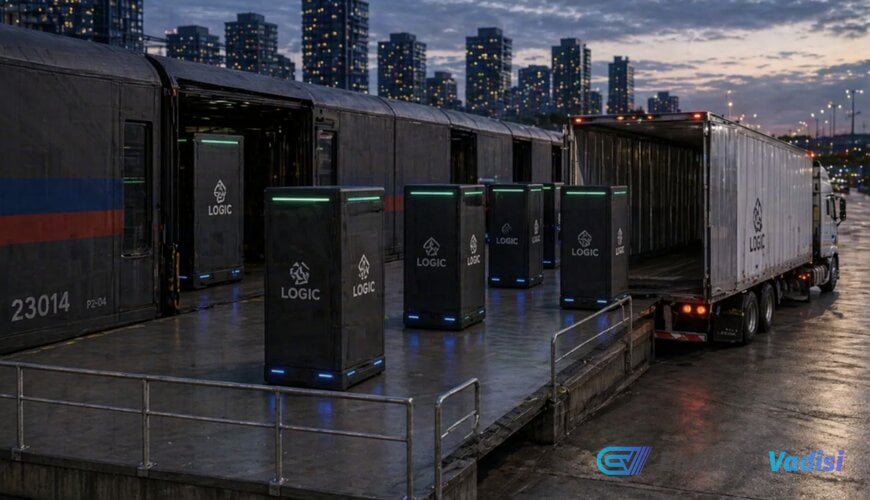
## Smart Transfer System Between Rail and Road
Logic automates intermodal transfers between rail and road by combining robotic pallet handling with digital twin modeling, increasing data visibility in logistics operations.
Rail-to-road transfer points continue to be bottlenecks in logistics due to workflows based on manual handling and forklift use. Logic has developed a smart transfer system in this area using Logic Pallet and its Digital Twin Operating System.
### Logic Pallet Features
- Transports pallets as an autonomous mobile unit
- Can self-load and unload
- Reduces reliance on manual labor and forklifts
- Standardizes transfer operations and reduces process steps
- Ensures high efficiency and predictable cycle times in facilities with variable load volumes
### Operational Coordination with Digital Twin Modeling
The core of the system is the Logic Digital Twin Operating System, which creates a real-time virtual model of the transfer environment. It collects data from each Logic Pallet to track inventory location, load weight, and task status.
This digital twin simulates traffic flows within the terminal, identifies potential congestion points, and dynamically adjusts pallet movements. It balances fleet load distribution based on real-time data and supports the continuity of operations under changing demand conditions.
### Data Collection and Business Processes
Each Logic Pallet records cargo weight and inventory information during transfer. This data is integrated into the system to ensure continuity between rail and road segments.
The resulting dataset supports the development of shipment tracking, route accuracy, and demand forecasting. By connecting physical operations with data capture processes, it provides logistics operators with a clear view of asset movements.
### Impacts on Terminal Operations and Safety
Autonomous transfer reduces delays and safety risks caused by forklifts and manual operations. It makes material flow more controlled, thereby decreasing variability in the process.
This improves equipment utilization, reduces waiting times, and increases efficiency in loading-unloading cycles. Furthermore, it limits human-machine interaction, providing safer working environments.
### Towards Coordinated and Scalable Logistics Systems
The combination of autonomous transport units and digital twin control represents a transition to logistics systems where movement, tracking, and decision-making processes are integrated.
The system offers scalable use in intermodal environments with coordinated operations between multiple pallets and transfer points. This allows railway operators, terminal managers, and logistics providers to manage increasing cargo volumes with more consistent performance, while maintaining visibility across extensive logistics networks.






















