







Cengiz Özemli
Academic
- Thread Author
- #1
BP Texas City Disaster: A Cautionary Tale
The 2005 explosion at BP's Texas City refinery resulted in 15 deaths, over 170 injuries, and billions of dollars in damages. This incident was not the result of a single failure, but rather systemic breakdowns in procedures, training, and operational controls. All of these areas fall under OSHA's Process Safety Management (PSM) standard.
Why Do PSM Programs Fall Short?
Despite most organizations having PSM programs today, serious incidents continue to occur, such as the refinery explosion in Port Arthur, Texas, in March 2026. In most cases, PSM elements are present but are not functioning together or are not aligned with how the facility operates. Over time, this disconnect negatively impacts the identification and control of risks.
The 14 Elements of PSM and the Real World
PSM is structured around 14 elements, but these do not function as 14 independent activities. Its effectiveness depends on how well these elements are implemented, connected, and sustained over time.
Where Do Disconnects Begin?
- Day-to-Day Management: Many organizations view PSM as a set of requirements to be met, rather than a system to be operated. Hazard analyses, procedures, training, and maintenance programs may appear to be in place and complete, but gaps begin to form when they are not connected or consistently maintained.
- Prioritization Issue: Because these activities do not directly contribute to production, their priority may be lowered in favor of short-term operational demands. Over time, the program becomes more of a documentation exercise than a reflection of how work is actually done and maintained in the field.
- Outdated Programs: Procedures may no longer reflect current operations, documentation may lag behind equipment or process changes, and required activities like audits or reviews may be delayed. These gaps may not seem significant in isolation, and the program may still appear complete on paper. In reality, it no longer reflects current conditions, and disconnects develop between documented practices and how the facility actually operates.
- Incident Investigations: Incident investigations are another area where this disconnect emerges. In most cases, the level of investigation is determined by the outcome of the incident. Near misses or minor incidents receive limited attention, while more serious incidents trigger more in-depth analyses. However, the root causes may be the same. Evaluating incidents based on their potential consequences and likelihood of recurrence provides a more accurate perspective on risk exposure. What happens after the investigation is equally important. If findings are not incorporated into procedures, training, or system updates, the same conditions persist, and incidents can recur.
Disconnects Beyond Internal Programs
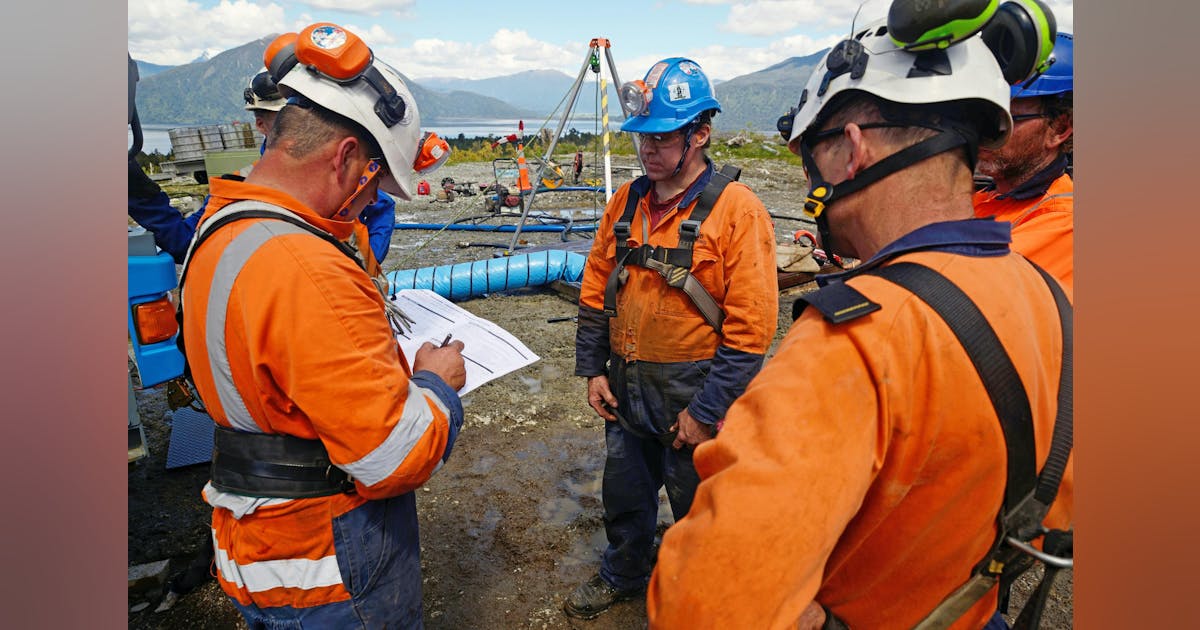
- Contractor Management: Contractors may arrive on site with established safety programs that meet their own requirements, but these programs are not always aligned with the expectations of a PSM-covered facility. Differences between contractor practices and facility requirements can create inconsistencies that are not immediately apparent and may not be detected early in the process. Pre-bid meetings, bid clarification discussions, and pre-mobilization planning are where expectations should first be aligned; this includes environmental, health, and safety (EHS) requirements. Without this alignment, differences in how work is planned and executed can introduce additional risks.
- Lack of Visibility: In most cases, there is limited visibility into how well the PSM program is performing. Programs may appear complete, but gaps between documented practices and actual operations are not always visible without a structured review. Compliance audits (required at least every three years) and gap assessments provide a basis for identifying these issues and prioritizing corrective actions. Without a structured understanding of program performance, improvements tend to be reactive rather than proactive.
Conclusion: Small Gaps Can Turn Into Major Incidents
In each of these areas, the pattern is consistent: PSM disconnects typically do not result from a single failure or a missing element. They develop as programs become misaligned with current operations over time, and these gaps are not addressed. As they accumulate, system safeguards become less effective.
Maintaining an effective PSM program requires a clear understanding of how the system is performing, where the gaps are, and how they are prioritized and addressed. Without this level of visibility and follow-up, even well-developed programs can become misaligned with actual operations and the risks those operations present. When these risks are not fully understood or managed, small gaps can turn into major incidents.