







Cengiz Özemli
Academic
- Thread Author
- #1
🏭 Digital Transformation in Manufacturing and the Physical Layer
Manufacturers are rapidly adopting Industrial IoT (IIoT), automation, and data utilization. According to Deloitte's 2025 survey, 57% of manufacturers are investing in cloud computing, while approximately 46% are deploying IIoT. As these technologies evolve, facility managers and OEMs are integrating them into their warehouse and production line strategies to increase automation, reliability, and reduce supply chain disruptions. However, the emphasis placed on digital systems is not equally given to the physical infrastructure.
💡 The Importance of Physical Infrastructure
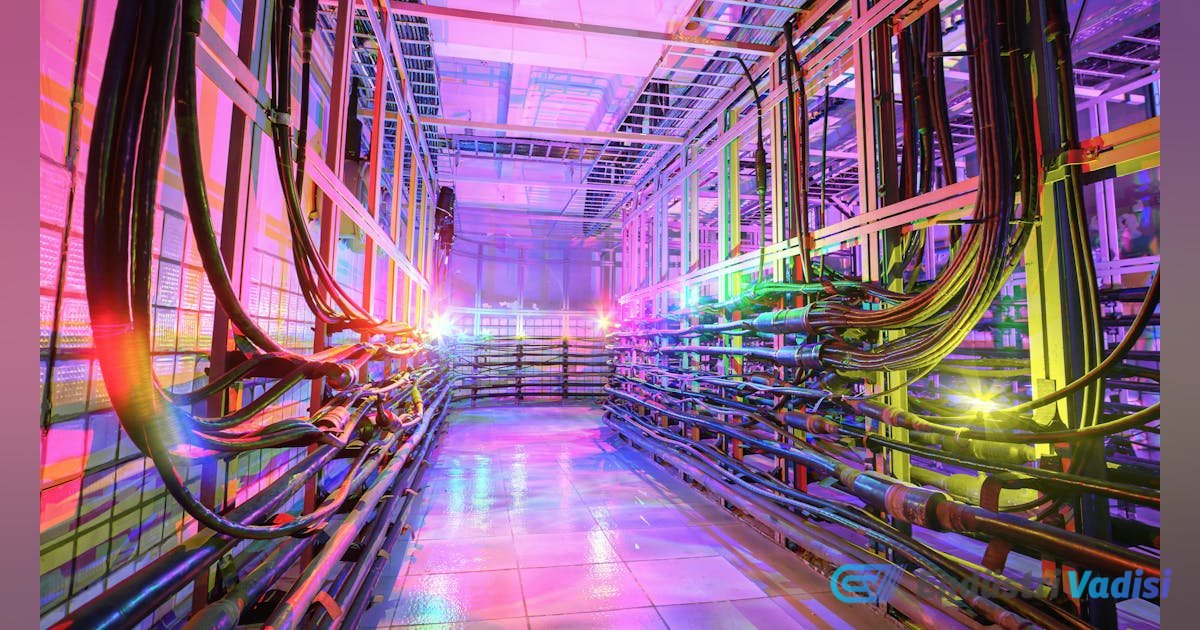
To succeed in digital transformation, manufacturers need to understand how power and data move through a facility, and how physical infrastructure and communication systems work together to support connected operations. Cables and conductors provide the foundation for power distribution and data transmission, while extensive connectivity systems ensure seamless communication between equipment, control systems, and wireless networks. These form the necessary infrastructure to support real-time visibility, automation, and long-term operational reliability.
📉 Performance Gaps and a Systems Approach
Performance gaps can arise when these systems are planned or optimized in isolation. Poor cable management or outdated conductor systems can disrupt power and data flow, while fragmented communication between systems can reduce operational visibility and responsiveness. Moving away from such isolated decision-making requires a system-level engineering approach that designs the entire infrastructure lifecycle and the interactions between components.
🔌 Re-examining the Physical Layer
Cables, conductors, and connectivity form a unified physical layer, and a connected system supports reliability, uptime, and data integrity in warehouse operations. Success in manufacturing depends on how well systems work together. The same applies at the facility level. When systems and technologies work in harmony, organizations can scale automation more effectively, improve efficiency, and make more informed decisions.
To achieve this, physical components like cables and conductors must remain part of the broader operational strategy. Once installed in a facility, these elements are often seen as commodities and are an afterthought, especially in fast-paced environments focused on digital transformation. However, power, data, and motion work together to form an interdependent system. Each relies on the others to perform effectively. The physical layer is the cornerstone of continuous energy distribution, responsive operations, system reliability, and data accuracy.
By reframing the physical layer as a strategic asset rather than a collection of individual parts, manufacturers can improve facility performance from the outset and maintain a competitive advantage to stay ahead in the digital landscape.
🔍 Understanding the Physical Layer

Manufacturing facility elements play a specific role in achieving a fully interconnected system. When selecting the right component, how components interact with each other and affect performance are important considerations.
⚡ Cables: Powering Data Integrity
In IIoT environments, cables carry power and high-speed data between active systems, including cranes and conveyors. Therefore, it is important for manufacturers to consider specific factors when deciding to install cables in their infrastructure. Cables need to be durable enough to perform in high-motion, high-density environments. They must withstand heavy loads and not pose a safety risk on the factory floor. They also need to have signal integrity capable of providing real-time data transmission. This supports reliable communication between operations and contributes to safety and uptime. Investing in the right cables can contribute to the total lifecycle cost of your infrastructure, reducing wasted time and maintenance costs.
🔋 Conductors: Ensuring Continuous Energy
Conductor systems, including conductor rails and busbar systems, distribute seamless power to mobile equipment, even during highly dynamic movements. These systems deliver effective results by enabling electrification and automation at scale in IIoT environments. In terms of infrastructure, conductors contribute to more flexible facility and warehouse layouts. Designed with connectors, conductors provide reliable transmission without the risk of interruption, supporting quick and smooth installation. From this, manufacturers can better scale operations by automating workflow management and enabling systems to perform multiple tasks. Throughput increases, safety is enhanced, and operations continue.
🌐 Connectivity: Ensuring Reliable Communication
Facility connectivity in modern manufacturing environments goes beyond traditional communication and networking. It encompasses systems and technologies that enable seamless communication between moving equipment, control systems, sensors, and wireless networks, ensuring data is reliably transmitted throughout the facility. When communication between assets and systems flows effectively, manufacturers gain the real-time visibility needed to improve decision-making, maintain efficiency, and identify optimization opportunities. As manufacturers scale automation and move towards reliable data, establishing reliable connectivity becomes increasingly important. Factors such as system interoperability, signal interference, and environmental exposure come into play. By analyzing how communication systems integrate with existing physical infrastructure and operational goals, manufacturers can create a more connected, responsive, and data-driven facility environment. In short, robust connectivity supports assets and technologies working as a more coordinated system, ensuring operations are responsive, reliable, and productive.
To make informed decisions about the right equipment for your connected infrastructure, consider working with an industry partner who understands your ecosystem and the digital landscape. They can provide a holistic view of your physical environment and recommend next steps to ensure automated, scalable, and efficient operations.
🚀 The Future of IIoT Starts Now
As manufacturers explore strategies to achieve long-term value, operational efficiency, and a reliable supply chain, the physical layer requires focused attention. Simply installing equipment is not enough. It's time to design a modular, scalable, and adaptable infrastructure that can transform IIoT success. Cables, conductors, and connectivity do not work in isolation; they help drive a more scalable, data-driven, and automated warehouse. And when designed and managed this way, the physical layer becomes a vital tool for adapting and optimizing your facility in a connected environment.