








Ahmet Ö.
Corporate
- Thread Author
- #1
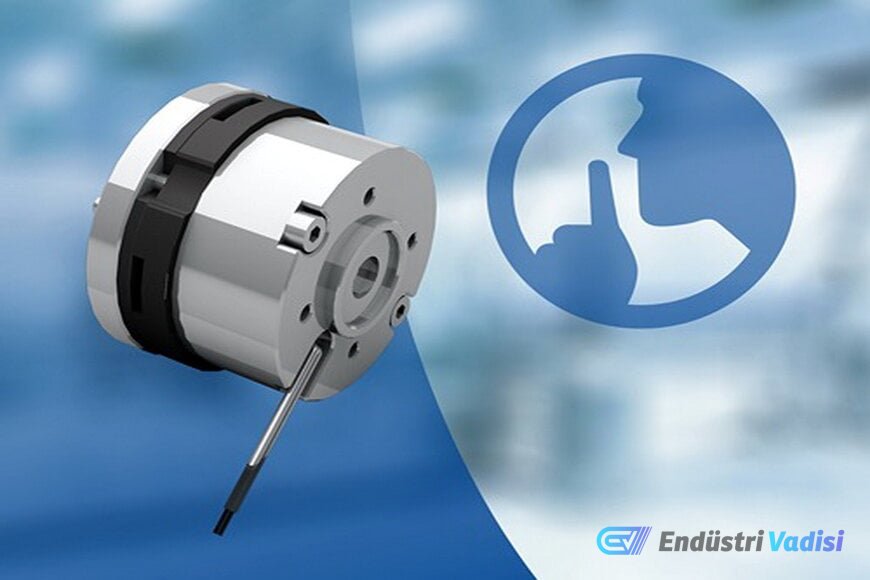
## Noise-Optimized Spring-Applied Brakes for Precise Motion Control
Dunkermotoren has significantly improved both the acoustic performance and safety in automated driving systems by optimizing the drive design in its E90R LN model spring-applied brakes.
### E90R LN Spring-Applied Brake Mechanism
The E90R LN is a redesigned spring-applied brake that provides safe deceleration and load holding in industrial automation and medical technology. It operates with a magnetic release mechanism that engages during power outages, thus forming a critical safety element in modern digital supply chains.
The brake locks with an armature plate where mechanical springs apply force when power is cut. When electrical energy is applied, the integrated electromagnetic coil overcomes the spring force, pulling the plate away from the friction surface and releasing the shaft. In this way, the drive remains absolutely locked during an emergency stop or complete power loss.
### Acoustic Optimization and Technical Improvements
The most significant development in this new design is the reduction of noise generated during operation. This addresses the need for low decibel performance, especially in medical and high-precision environments. Dunkermotoren has reduced vibration and rattling noises by minimizing the mechanical gap between the drive and the armature plate.
Product Manager Michael Burgert states that noise levels have become a quality criterion for machine manufacturers, and this optimized drive design stabilizes the mechanical interface, ensuring consistent acoustic performance of the brake throughout its service life.
### Application Areas and System Integration
With its compact design, the E90R LN can be easily integrated into the automotive data ecosystem of modular drive components. It is particularly preferred in areas requiring high cycles and precise positioning:
- Medical Devices: Diagnostic imaging and adjustable patient platforms requiring silent operation.
- Packaging and Automation: High-speed sorting systems requiring mechanical durability and fast response times.
- Conveyor Systems: Vertical lifts and inclined platforms where secure load holding is essential.
Refining mechanical tolerances makes the response time predictable while also reducing wear on the friction surfaces. This engineering approach ensures compliance with the safety and efficiency standards for automated industrial components set by VDA and other regulatory bodies.
---
News edited by Evgeny Churilov and adapted with artificial intelligence.





















