Cengiz Özemli
Academic
- Thread Author
- #1
New sensors in industrial automation enable more reliable and precise monitoring of processes. Developed by Murata Manufacturing, EBE Sensors + Motion, and Endress+Hauser, these sensors stand out in measuring critical parameters such as liquid flow, temperature, foam, and vibration.
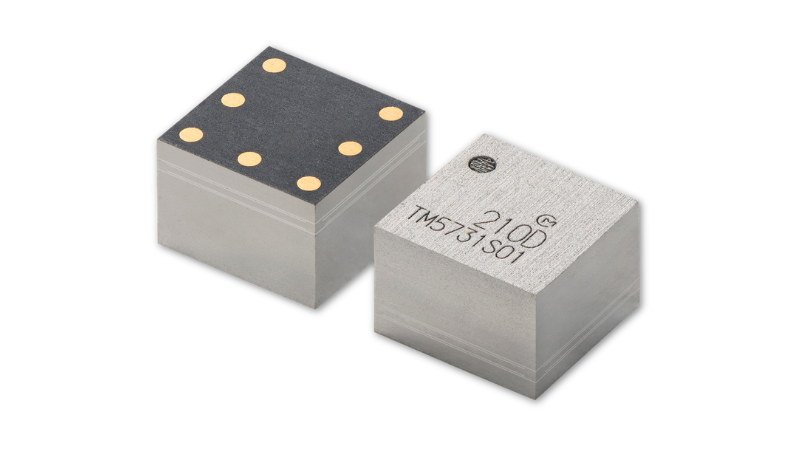
### Murata PKGM-210D-R Vibration Sensor
Murata's PKGM-210D-R model can detect high-frequency vibrations up to 20 kHz. Bearings and lubrication parts in rotating equipment like pumps and motors wear out over time, leading to increased vibration. This sensor is a compact device specifically designed for direct mounting on motor components. It offers vibration measurement via analog output using piezoceramic technology.
This sensor is ideal for providing data to machine learning applications, enabling fault prediction before maintenance and preventive planning for uninterrupted operation.
### EBE QCRC Non-Contact Foam and Liquid Detection Sensor
The QCRC sensor from German manufacturer EBE detects the presence of liquid, air, or foam through hose and container walls without requiring contact. Operating on capacitive and conductivity principles, this 30 mm x 30 mm sensor provides real-time data via an I2C interface.
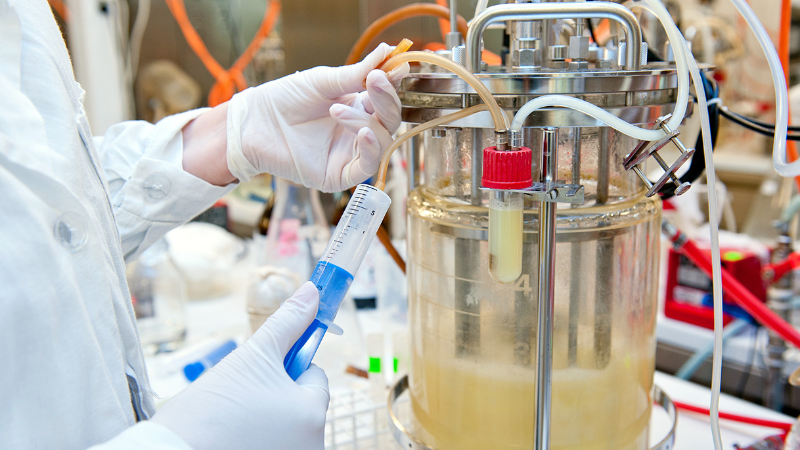
If foam is detected in the pump suction line, the control system can notify the operator or initiate an alternative process. This prevents issues such as foam overflow and pump cavitation.
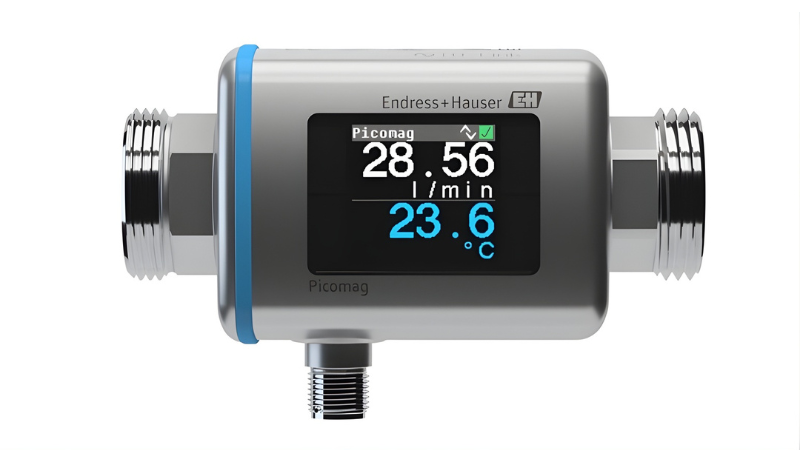
### Endress+Hauser Picomag Electromagnetic Flowmeter (OEM Model)
Endress+Hauser has developed a special version of the Picomag electromagnetic flowmeter without wireless connectivity, specifically for data centers and OEM cooling units. This model measures the flow, temperature, and conductivity of conductive liquids in small-diameter pipes with a single device.
While the standard Picomag model communicates via Bluetooth, the OEM version uses IO-Link for parameter setting and real-time measurement. Analog outputs are also available.
These sensors provide critical information for the efficient management of cooling systems in data centers that generate intense heat, helping to protect hardware.
These new sensors increase the reliability of industrial automation processes while enabling data-driven maintenance and process optimization.