

Ahmet Ö.
Corporate
- Thread Author
- #1
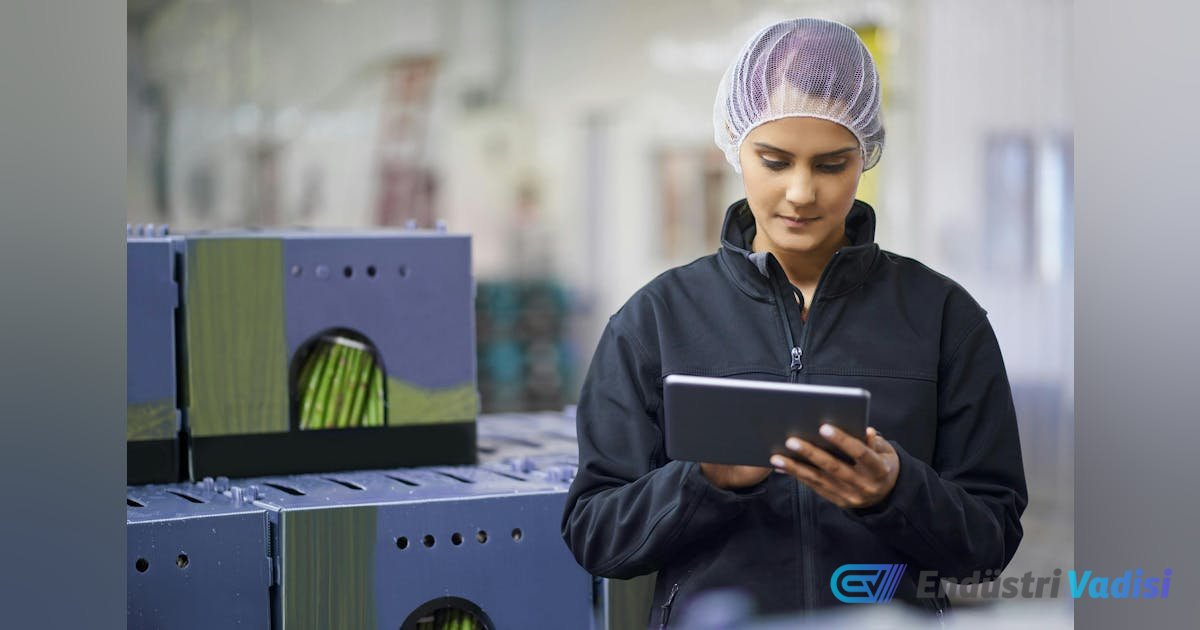
Digital visual management tools, especially real-time digital dashboards, play a critical role in increasing efficiency in production processes, from shift meetings to team coordination and layered meetings. Informing all stakeholders with data collected at a single point enables quick and accurate decision-making, thereby strengthening communication on the production floor and making daily management effective.
### Eliminating Disconnects
On the production floor, operators fill out many digital forms and checklists, record hundreds of issues throughout the day, and verbally communicate tasks. Such rapid updates cannot be tracked on traditional whiteboards, and missing information leads to safety and accountability issues.
Digital visual management tools provide comprehensive overviews across the factory and ensure that no information is overlooked. Advanced digital dashboards, in particular;
- Task management,
- Tracking open issues,
- Instant status checks
provide manufacturers with efficient management capabilities. Critical issues are addressed quickly through color-coded priorities and customizable sections that reflect the factory's priorities.
### Technical Specifications
- Issue history retention,
- Identification of recurring bottlenecks and patterns over time,
- Proactive resolution of issues with data-driven, transparent processes,
- KPI monitoring (safety, quality, delivery, cost, human element),
- Task and open problem tracking,
- Cross-layered escalation and information transfer features.
### Structure and Consistency in Daily Meetings
Daily planning sessions are important for setting expectations, uncovering issues, and aligning team priorities. However, without structure and reliance on accurate data, these meetings become repetitive or dependent on the leader's initiative.
Digital dashboards provide managers and supervisors with KPI tracking, open tasks, and unresolved issues all in one place. Standard agenda templates and attendance tracking bring clarity to meetings, making them effective and focused, and preventing unnecessary meetings.
### Preventing Information Gaps in Shift Handover
Shift changes are critical moments for production. Important information can be lost, incomplete work can be overlooked, or performance deviations can go unnoticed.
The cross-layered escalation and information transfer features in digital dashboards allow the incoming team to instantly see events from the previous shift. Without the need to decipher handwriting, abbreviations, or verbal notes; smoothly running, disrupted, and attention-requiring tasks are easily tracked. This ensures seamless information flow and operational continuity between shifts.
### Reducing Time-Consuming Administrative Tasks
A burden often overlooked in daily management is the time spent on meeting preparations and updates. Supervisors often spend their days collecting data from various systems, updating physical boards, or printing reports.
Digital visual management tools eliminate the data collection burden by presenting KPI data in real-time and easily accessible dashboards. Data such as OEE and production targets are automatically accessed from core systems like MES and ERP. This allows teams to instantly access the information they need for more effective performance.
These tools retain historical data of issues over time; this reveals recurring problems and opportunities for improvement.
Digital visual management supports rapid response to production errors, high transparency in team communication, and a culture of continuous improvement.