Erkan Teskancan
Corporate
- Thread Author
- #1
## Flammable Dust Hazards and Their Impact on Automated Process Control
Discover the critical role of automation in preventing explosion risks caused by flammable dusts, while simultaneously increasing efficiency.
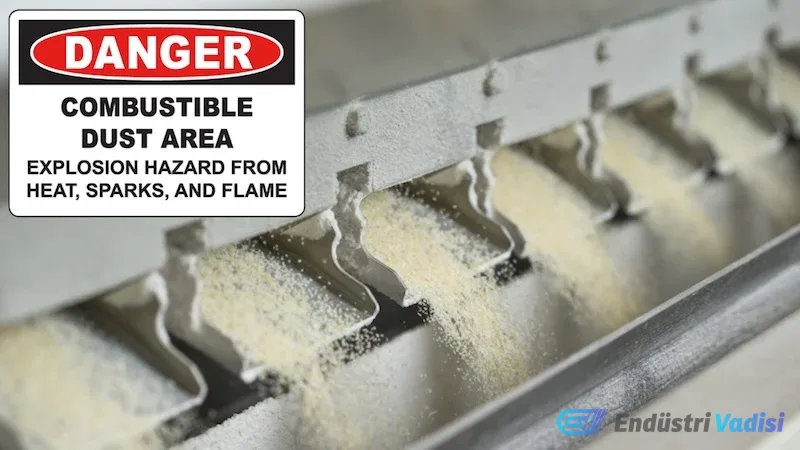
In industrial environments, automation is widely used to increase efficiency and boost production. However, flammable dusts, which are produced or used in many processes, can pose serious safety risks without proper control systems. Flammable dust creates an explosion hazard for equipment and employees.
The danger of flammable dust is not just the risk of explosion under specific conditions; it's that these conditions can easily arise. Flammable dust includes any particulate matter that can ignite in the presence of oxygen and an ignition source. These include:
- Organic dusts (such as wood, flour)
- Metal dusts
- Coal dust
When certain conditions are met, these dusts can cause chain reactions of explosions. The initial explosion begins when dust comes into contact with a spark; then, the ignition of more dust suspended in the air during the initial explosion triggers a secondary explosion. This process can lead to serious damage and injuries.
### Flammable Dust Hazards and Example Industries
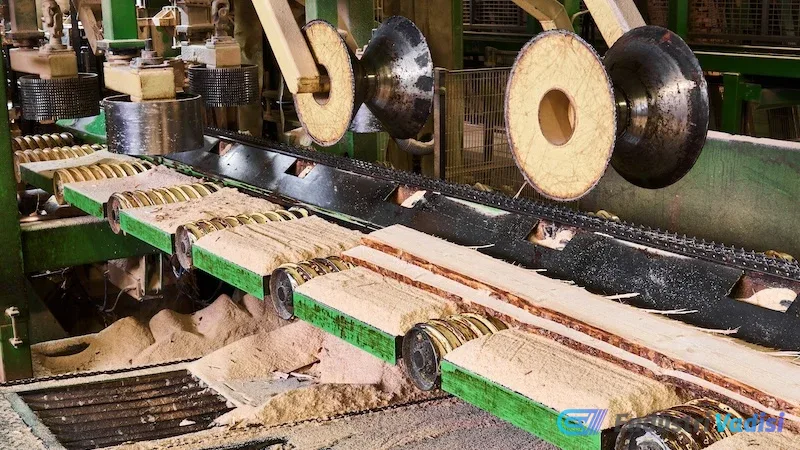
The woodworking industry is one area with a high risk of flammable dust. Regulatory bodies like OSHA mandate the use of industrial dust collectors; however, if these equipment are not properly installed, maintained, and repaired, malfunctions can occur.
### Industrial Dust Collectors and Controls
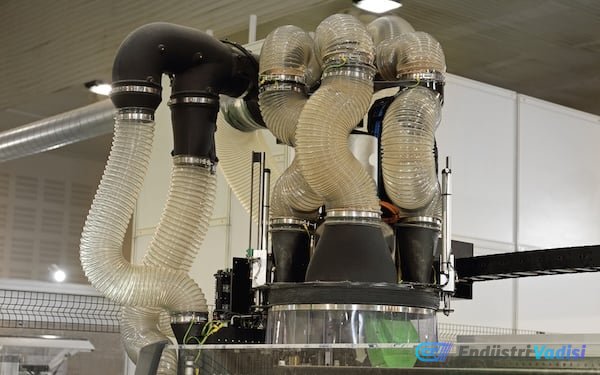
Industrial dust collectors are designed to remove contaminants from enclosed spaces. Dusts are collected in filters or bags via ducts or hoods. However, dust collectors that cannot provide sufficient pressure can trigger an explosion. Therefore, pressure-resistant dust collectors, vents that prevent flame propagation, or external ventilation systems should be used.
### The Role of Automation and Safety Approaches
Relying solely on human factors or teams is not sufficient for managing flammable dust risks. AI-powered automated systems, industrial dust collectors, and other technologies enable early detection of hazardous situations through continuous monitoring and data collection. This allows for rapid emergency responses.
Explosion-proof (XP) equipment incorporates special designs to reduce the risk of sparks in hazardous environments and is manufactured in accordance with international standards.
### Intrinsically Safe (IS) Design
IS design is applied in electronic equipment to minimize the risk of sparks. This design operates with low energy levels, preventing sparks that could pose a risk. However, IS systems alone are not fully fail-safe; the entire circuit must be designed to IS standards.
### Safety Instrumentation Systems and Fail-Safe Logic
Safety instrumentation systems are critical in risky situations like dust explosions. These systems, with sensors and logic circuits, determine and implement the safest shutdown method. Incorrect automated shutdowns, such as leaving dust collectors open, can increase the risk of explosion.
Fail-safe logic ensures control without escalating the hazard; in the event of an explosion, instead of shutting down all equipment, equipment that does not threaten employee safety is shut down, and critical systems continue to operate.
### Conclusion
Flammable dust management is a critical issue in industrial automation processes. Relying solely on dust collectors can increase risks. Automated processes supported by safety instrumentation systems and fail-safe logic effectively reduce the risk of explosion and potential damage.