






Ahmet Ö.
Corporate
- Thread Author
- #1
## Effects of Combustible Dust Risks on Automatic Process Control
In industrial environments, combustible dusts pose serious hazards, and these risks can be controlled through the proper design of automation systems. This guide explains the inherent dangers of combustible dusts, the risks of over-reliance on dust collection equipment, and best practices for mitigating the potential for explosions.
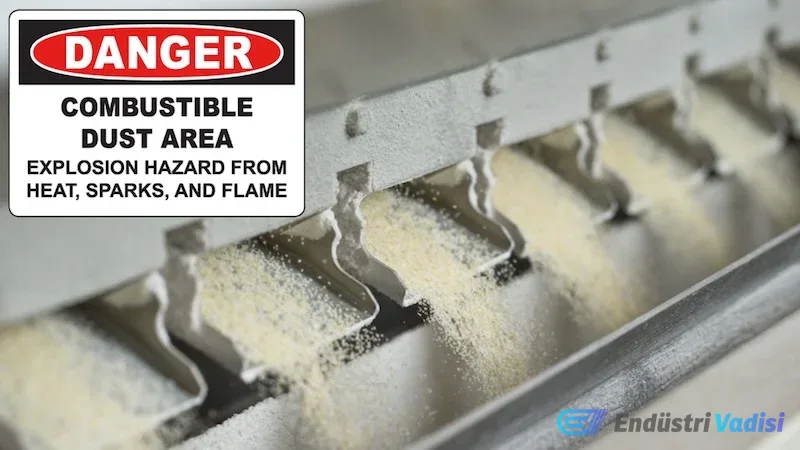
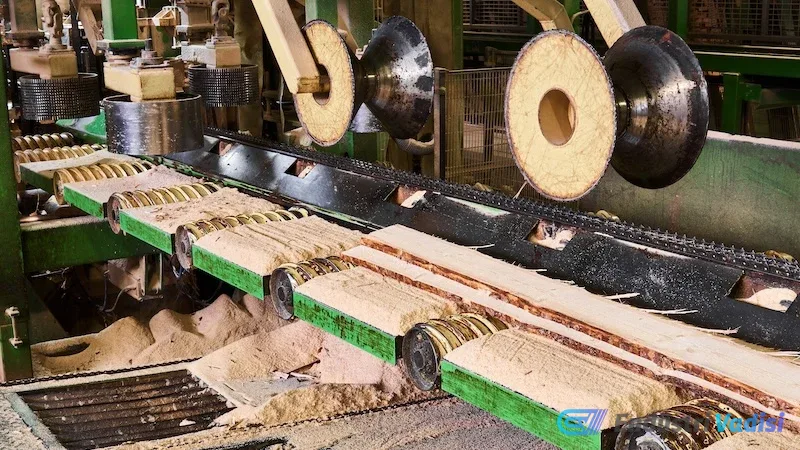
In industry, combustible dusts can easily ignite when they come into contact with oxygen and an ignition source, leading to multiple explosions. The primary explosion begins with the initial spark, while the secondary explosion, caused by the release of this energy, ignites other dusts, resulting in greater damage. This risk is particularly pronounced in industries such as woodworking.
### Combustible Dust and Dust Collection Systems
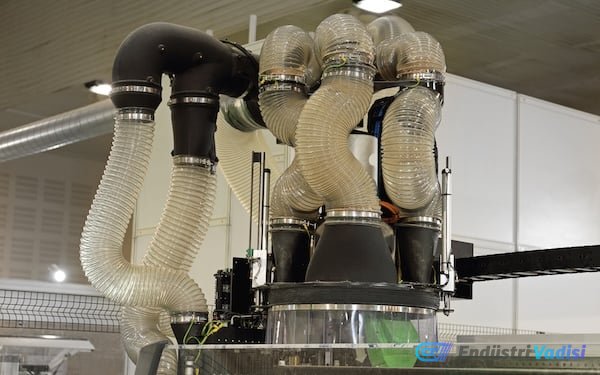
Regulatory bodies like OSHA often mandate the use of industrial dust collection systems. However, these systems can fail without proper installation, maintenance, and repair. Dust accumulation can affect equipment performance and sensor accuracy. Dust collection systems draw dust through ducts or hoods and capture it in filters or bags.
In cases of combustible dust accumulation, dust collection equipment must be pressure-resistant, and measures such as flameless venting or outdoor ventilation should be implemented to prevent the spread of an explosion.
### The Role of Automation and Safety Systems
Relying solely on human intervention for combustible dust control is insufficient. Automated systems, AI-powered dust collectors, and other equipment provide continuous monitoring and rapid response capabilities. These systems are critical in reducing explosion risks.
Explosion-proof (XP) equipment is specifically designed to minimize the risk of sparks in hazardous environments. Additionally, intrinsically safe (IS) designs prevent electronic devices from triggering ignition, but the entire circuit must be designed as IS.
### Importance of Fail-Safe Design
Fail-safe logic should be applied in areas with a high risk of combustible dust explosions. This means identifying systems that could worsen the situation during an automatic shutdown and only stopping equipment that does not pose a risk. For example, while closing doors or alarms might create a risk, critical safety systems should continue to operate.
### Technical Specifications
- Dust collection systems draw dust through ducts or hoods and store it in filters or bags.
- Explosion-proof (XP) equipment, manufactured in accordance with international standards.
- Intrinsically safe (IS) devices operate with low power, minimizing spark risk.
- Fail-safe logic systems ensure safe shutdown and risk management in case of danger.
In industrial processes, combustible dust management, automation, and safety systems must be used in conjunction. This minimizes industrial accidents and explosions, ensuring the safe and continuous operation of processes.