








Erkan Teskancan
Corporate
- Thread Author
- #1
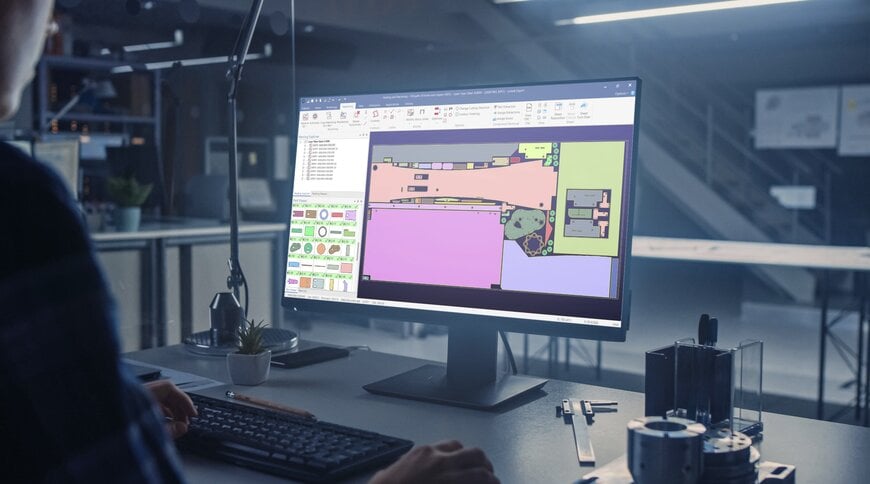
The Agentic AI architecture, developed in collaboration between Lantek and IKERLAN, aims for real-time decision-making, data control, and scalable implementation in industrial production processes. This multi-agent artificial intelligence system, developed as part of the GALAXIA project, goes beyond classical data analysis to provide coordinated execution in production workflows.
### Multi-Agent AI Architecture
- AI agents take on different roles such as analysis, planning, supervision, and execution.
- The system ensures coordination between interconnected tasks in production processes.
- Data and process control reduce reliance on external platforms within organizations.
- It offers a scalable structure that can be adapted to different production scenarios.
### Application Areas and Benefits
- Automatic quote generation from incoming messages.
- Stock replenishment through computer vision in retail environments.
- Automatic resolution of technical problems in repetitive workflows.
- Transition from support functions to full automation of operational tasks.
### Regulatory Compliance and Security
- Transparency, security, and governance are ensured in compliance with the European AI Act.
- The limits of agents' authority and autonomy are clearly defined and monitored.
### Project Partners and Ecosystem
- Lantek specializes in industrial software and AI focused on manufacturing.
- IKERLAN is a leader in intelligent systems and industrial research.
- Companies from various sectors such as Eroski, Mondragon Assembly, and Goizper are testing the project with real-world scenarios.
### Contribution to the Digital Supply Chain
- The GALAXIA project increases automation in industrial processes by directly linking data-driven insights to operational actions.
- It supports human decision-making processes by enabling AI to take over repetitive tasks.
This innovative architecture paves the way for artificial intelligence to be used not only for analysis but also for implementation and coordination in the manufacturing sector.





















