


Süeda Asil
Corporate
- Thread Author
- #1
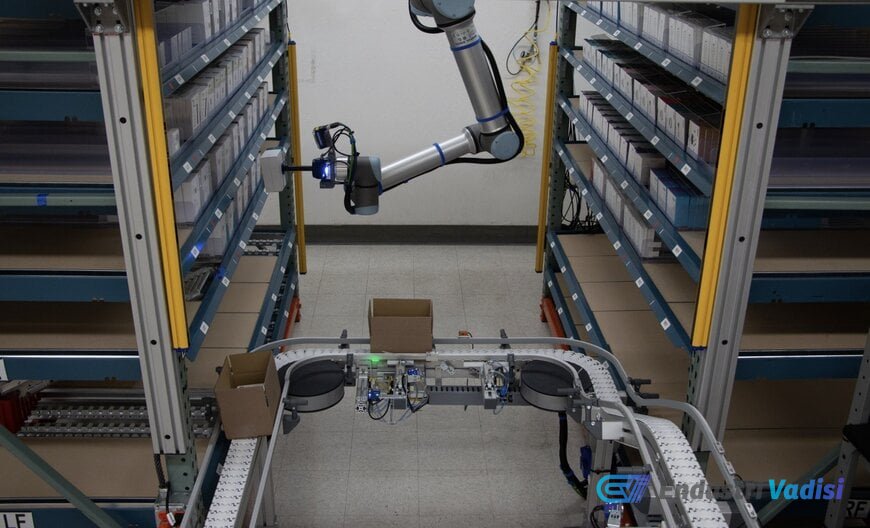
Teradyne and Flex have expanded their collaboration to develop scalable automation systems that adapt to complex and high-variation product lines in global manufacturing environments. This partnership aims to validate and proliferate adaptive automation by combining cobots, autonomous mobile robots (AMRs), and supply chain integrations.
### Fusion of Manufacturing and Distribution with a Dual Role Model
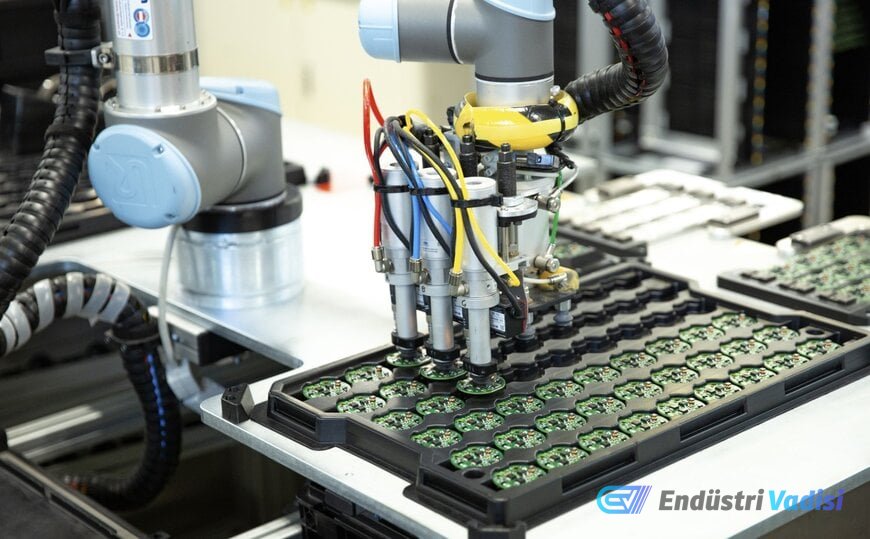
Flex is positioned as both a user and a supplier in the automation value chain. In addition to utilizing Teradyne Robotics technologies in its own manufacturing facilities, it also produces key components for these systems. This includes Universal Robots (UR) cobots and Mobile Industrial Robots (MiR) brand autonomous mobile robots, which are used in areas requiring flexible and repeatable workflows such as electronics manufacturing, industrial equipment production, and data center assembly.
This approach creates a feedback loop: Systems are tested in the operational environment, and performance data is fed back into design, integration, and deployment strategies. This shortens validation processes and allows automation workflows to be rapidly replicated across different facilities.
### Expanding the Semiconductor-Focused Supply Chain Relationship
Teradyne and Flex have been collaborating on semiconductor test equipment for over 20 years. Flex provides the manufacturing, system integration, and global supply chain management for these platforms. Extending the collaboration into robotics aligns with the increasing need for automation systems that can adapt to variable manufacturing networks.
As manufacturing environments shift towards higher product variety and shorter product lifecycles, the importance of robotic platforms and digital supply chain integration grows.
### Adaptive Automation with Physical AI
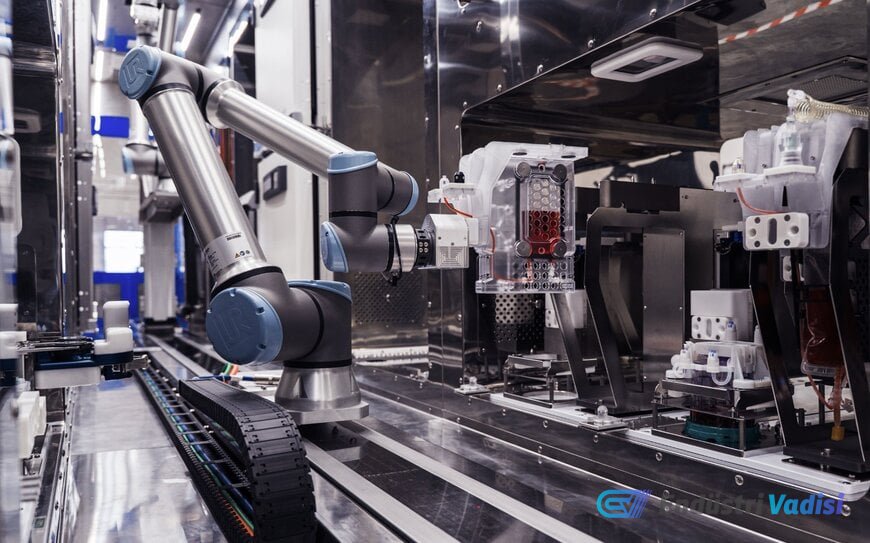
The partnership utilizes physical AI in cobots and autonomous mobile robots. These systems combine sensing, control, and decision-making capabilities to adapt to dynamic production conditions, such as changing flows of parts or alterations in factory layouts.
Application examples include:
- AMR-based dynamic material handling that adjusts its route based on real-time factory conditions
- Cobot-assisted assembly where task parameters can be changed without the need for full system reprogramming
- Coordinated workflows between fixed and mobile robots based on changing demand
These features enhance consistency in high-variation manufacturing environments while also supporting production efficiency.
### Scaling Automation in Global Manufacturing Networks
The integration of manufacturing and distribution capabilities ensures that automation solutions are tested and validated under real operating conditions. This reduces integration risks and enables faster deployment across facilities in different geographies.
The combination of Flex's global manufacturing and supply chain infrastructure with robotic platforms helps overcome barriers to automation adoption, such as interoperability between systems, rapid implementation, and long-term support.
Consequently, this model allows robotic automation to scale in alignment with production requirements in industries characterized by high complexity, product volume variability, and intensive supply chain coordination.