





Hasan S. Cemkan
Corporate
- Thread Author
- #1
🤔 The Chasm Between Preparation and Reality
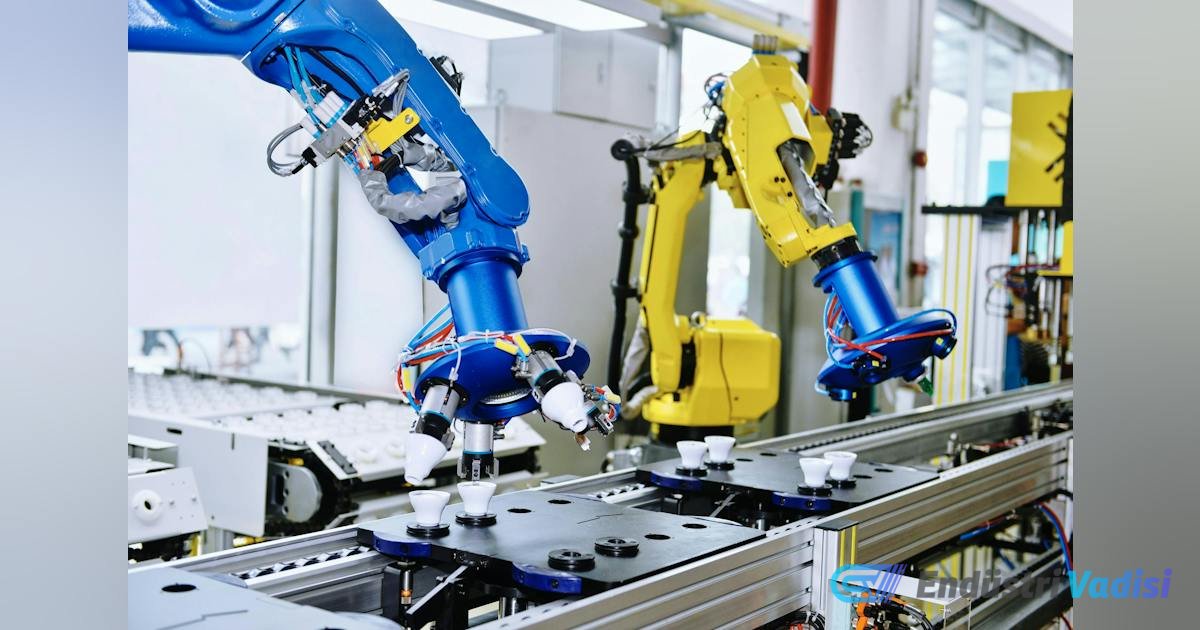
According to an Intel survey, 70% of manufacturing leaders believe they will be managing a fleet of robots within the next five years. Yet, surprisingly, only 40% have a formal strategy! 🤯 This situation highlights the risk of investments going to waste in the global cloud robotics market, which is expected to reach $58.54 billion by 2035.
🔍 Risks of Investment Without Strategy
Eric Thorsen from Infor warns that robotic investments made without a modern ERP infrastructure can turn into wasted money. According to Thorsen, while many companies have advanced in robotic technology, they lack a plan on how to integrate this technology. These disjointed approaches lead to even successful pilot projects failing to be integrated into overall operations.
📊 A Data-Driven Approach is Essential
Thorsen emphasizes that reliable data forms the foundation of any strategy. 77.3% of companies believe their data is mature and well-managed enough to support AI. However, Thorsen states that this confidence needs to be tested before a robotics strategy is created. Without reliable data, effectively managing robot fleets becomes impossible.
🛣️ Four Stages of a Robotics Strategy
A robotics strategy should consist of four main stages:
- Visibility: Fully understanding what is happening on the shop floor.
- Prediction: Anticipating what will happen in the future.
- Prescription: The system beginning to make recommendations.
- Autonomy: The system acting on its own, with humans managing exceptional circumstances.

While most companies want to jump directly to the fourth stage, it's not possible without the first two. Thorsen notes that even true visibility is lacking in most companies because data is not structured to support it.
💰 Measuring for Valuable Outcomes
For robotics and automation investments to deliver valuable outcomes, it's necessary to measure against business results from day one. Thorsen says, "If you can't draw a direct line from the investment to a number that the CFO cares about, you don't have a plan yet."
🎯 What Are the Key Outcomes?
Key outcomes typically relate to efficiency, quality, and workforce flexibility:
- Fewer errors.
- More stable cycle times.
- Ability to keep the line running even during labor shortages.
- Speed of Decision: How quickly you recover from a disruption, find an alternative supplier, or reroute production to another facility.
Robots that only perform well under stable conditions do not solve manufacturers' real problems.
🌟 Optimism for the Future
The near future for industrial robotics is quite promising. Robotics and AI are converging to make automation flexible and adaptable. Jobs are not disappearing; they are evolving. Companies that are already formulating strategies will be the ones setting the pace for the future. 🚀