

Alper Aktaş
Endüstri Vadisi
- Thread Author
- #1
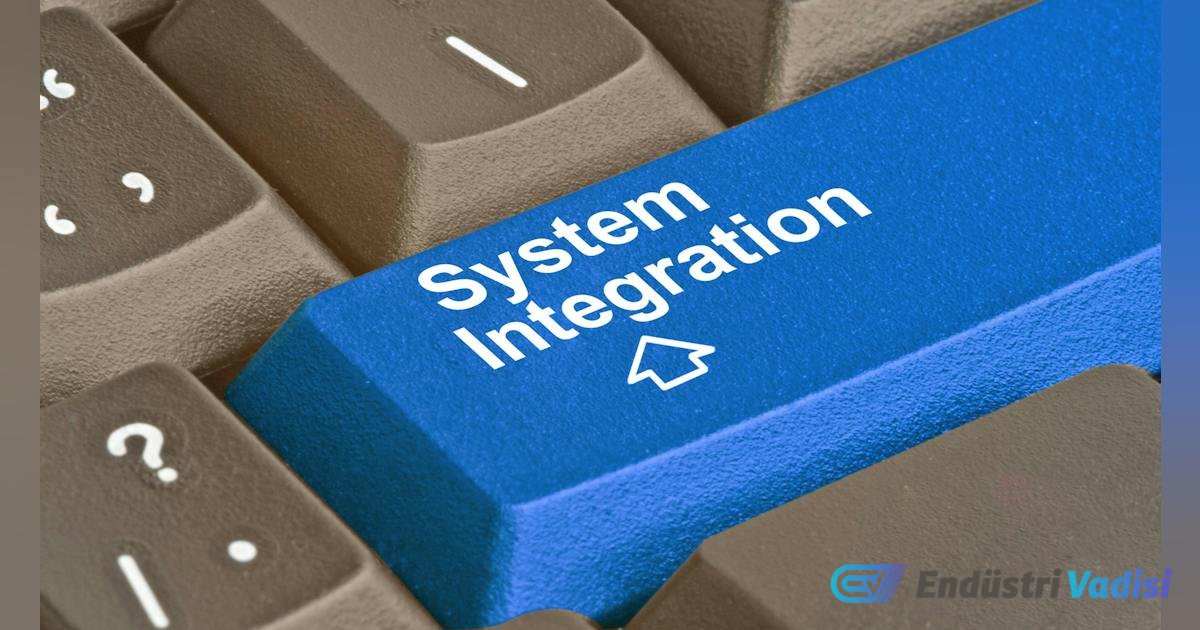
Manufacturers want advanced analytics, enterprise visibility, and AI applications that can extend beyond a single line or plant. But a solution that works well in one plant can be difficult to scale when control systems, networks, naming conventions, and data structures have evolved differently.
This challenge becomes even more critical as AI moves further into manufacturing environments. Rockwell Automation’s 2026 State of Smart Manufacturing Report found that 34% of operations are powered by AI or machine learning, with that number expected to reach 54% by 2030.
💡 The Cost of Inconsistency is Rising
AI creates a new urgency, but the underlying need isn’t new. Manufacturers have long benefited from consistent control systems, infrastructure, and operating practices. What’s changing is the cost of inconsistency. For many organizations, this means rethinking the traditional project-based model of system integration.
Instead of bringing in an integrator for a specific project or calling a familiar vendor when something breaks, some manufacturers are moving toward ongoing, portfolio-wide support agreements that provide more continuity in how control and automation systems are managed across plants.
The goal is not just better project execution, but to build a more consistent foundation for enterprise visibility, future technology investments, and AI.
🤝 See Support as a Business Strategy
A manufacturer may have worked with the same local integrator for 20 years and still operate on a transactional model where, when a project comes up, the integrator completes it and the engagement may pause until the next need arises. A strategic support model creates a more deliberate, ongoing responsibility to maintain and improve automation systems, not just respond when a project or problem arises.
This relationship can extend beyond an individual plant, providing manufacturers with a partner that understands their broader operations and helps maintain consistent control practices, OT infrastructure, and support across plants.
As system integrators expand their geographic reach and technical capabilities, this portfolio-wide approach becomes more practical.
🧠 Leverage Enterprise Knowledge
Enterprise knowledge is one of the most obvious benefits of this continuity. Over repeated engagements, a partner develops an understanding of system dependencies, previous changes, standards, and recurring issues, while also accumulating drawings, program backups, and other information about the environment.
As this knowledge accumulates, the team understands not only what a system is supposed to do, but also how the surrounding operation depends on it.
Over time, that same knowledge can shift the relationship from response to prevention. A recurring error can reveal a pattern, creating an opportunity to identify the root cause and inform a system change, maintenance decision, or modernization project that reduces the likelihood of the problem returning. As a result, progress moves from response to understanding, then to prevention and continuous improvement.
🌍 Carry Standards and Lessons Learned Across Plants
The value of continuity increases even further when knowledge can move across plants, because one plant doesn’t have to repeat the same four mistakes another plant has already made. This is more than just standardization in itself. Common approaches to control systems, network architecture, and data rules are important, but so is transferring practical experience from one application to another.
If a design decision caused problems at Plant A, Plant B should benefit from that lesson; if an approach improved execution, it should become something the organization can build upon rather than independently rediscover at each location.
Consistency doesn’t mean every plant has to be identical, as plants will have different equipment, processes, and operating constraints. The goal is to understand these differences while still maintaining standards and lessons that should be carried across the organization, so that today’s execution is improved, while building a stronger foundation for enterprise visibility, analytics, and AI.