





Alper Aktaş
Endüstri Vadisi
- Thread Author
- #1
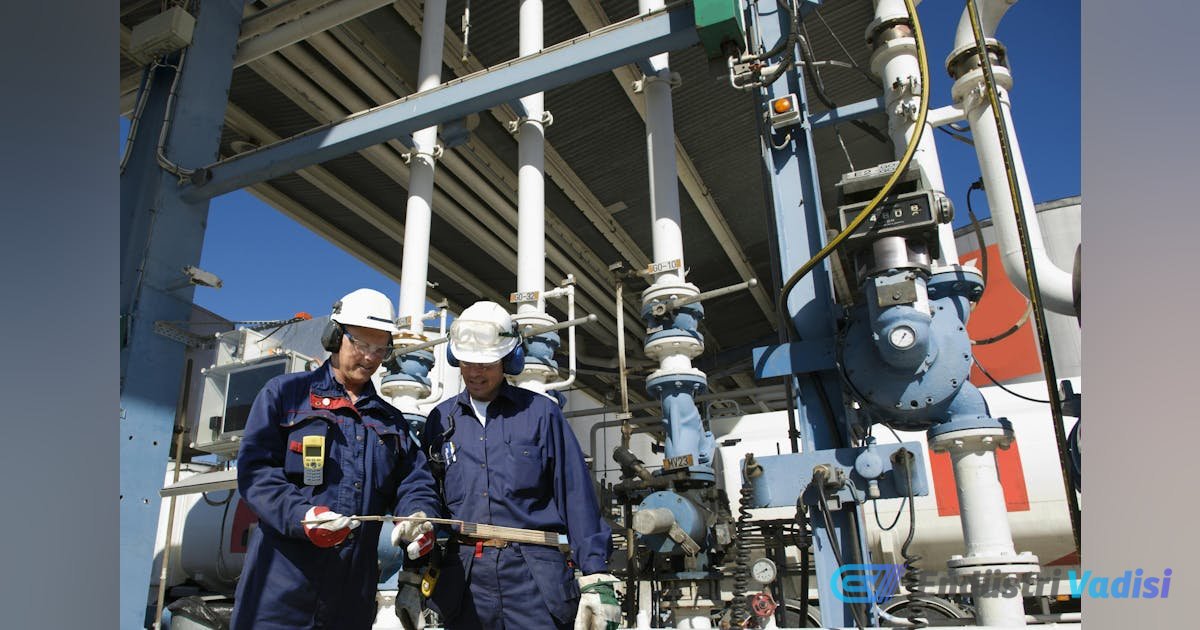
🤔 New Production Line: Perfect on Paper, But What About in Reality?
A new production line can look great on paper. Equipment is installed, machines are tested, network connectivity is established, and the team prepares to produce saleable products. But then the line starts to wait.
An inspection station detects a condition not foreseen in the quality plan. While the inspection vendor finds the system functional, operations question whether production can continue with an additional manual check. Quality has not determined who would approve this method. An upstream OEM changes a timing parameter, but the downstream OEM doesn't learn about it until the next shift. Even though every machine is ready to run, the startup process proceeds at the pace of the slowest unresolved decision.
This is where many startup projects get stuck: the equipment works, but the organization hasn't yet decided how the line will operate.
📉 Decision Debt: The Invisible Accumulation
"Decision debt" accumulates when a question is deferred because it doesn't impede design, installation, or single-machine testing. Who can approve a temporary method of operation? Which function decides if a recurring defect is acceptable for controlled production? Who can prioritize one OEM's work over another's? When does a software adjustment require a quality check, an operator briefing, or a rollback plan?
These questions largely remain invisible until the integrated line begins to run and several functions are impacted by the same event. This is often less about poor engineering and more about the project not defining a clear path for making startup decisions.
- Engineers explain the same problem to different groups repeatedly.
- Multiple teams work on technically valid but conflicting priorities.
- A temporary workaround continues to be used even though its original conditions have changed.
- One shift repeats troubleshooting already completed by the previous shift.
- An OEM waits for authorization even though their technical fix is ready.
- Production stops while stakeholders debate whether the issue is a defect, a process limitation, a quality concern, or a training issue.
🤝 Multi-OEM Lines and the Escalation of the Problem
A multi-OEM line has many boundaries where each participant focuses on their own scope and technical responsibility. A filler machine might be stable at its target rate, while the case packer needs a different accumulation strategy. A robot vendor might have corrected a motion sequence, but the revised recovery process might require new operator actions. An controls integrator might see the full line status but might not have the authority to decide if production can continue under a quality constraint.
Each vendor can be successful within their scope, and the line can still struggle. What is often missing is clear ownership of line-level decisions. The plant or project owner must define who is authorized to make decisions that cross vendor and departmental boundaries.
🗺️ Decision Rights Map: Before the First Production Shift!
A startup team often has organizational charts and communication lists. What is missing is a decision rights map. This map should answer practical questions:
- Who can release or stop production after an abnormal event?
- Who approves a temporary manual verification or a reduced-rate method of operation?
- Who decides if a change is urgent enough to go into the current production window?
- Who can request multiple OEMs to participate in a single root cause effort?
- Who accepts the operational consequence when a permanent fix is deferred?
- Who makes the final communication to operators, maintenance personnel, and the next shift?
Authority will vary by category: quality controls product disposition, operations controls production priorities, engineering manages technical changes, and environmental, health, and safety personnel control safety-related deviations. The startup leader coordinates conflicts and prevents decisions from bouncing between teams indefinitely.
A decision rights map is more useful when it specifies both the technical owner and the operational decision-maker. The person who can fix a condition is not always authorized to decide how the plant can operate while the condition remains open.
🗓️ Publish a Daily Operating Envelope!
Startup conditions can change several times in a single day. A line approved to run one product at a reduced rate with extra inspection in the morning shift might not be approved to run a second format at full speed that evening. With dozens of people and several vendors acting on the system, verbal agreement is not sufficient.
The startup team should publish a brief operating envelope for each production window. This envelope should specify:
- Approved products, formats, and rates
- Equipment or functions that remain restricted
- Temporary manual checks or staffing requirements
- Active software and parameter baseline
- Conditions that require production to stop
- Open changes permitted during the window
- Designated decision-makers and escalation contacts
This should not become another large project checklist. It should be a brief, practical agreement for the next shift or block of production.
When the operating envelope changes, the team should record who approved the change, when it went into effect, and how affected personnel were notified. This prevents the line from operating according to several different versions of "the truth."
⚙️ Separate the Technical Fix from the Operational Accommodation!
Startup meetings often become inefficient because every issue is discussed as if it requires a single answer. In reality, most significant issues require at least two parallel decisions.
The first is technical: What failed; what fix is proposed; who will implement it, and how will the result be checked?
The second is operational: What can the plant do safely and responsibly until the fix is complete?
Consider an intermittent inspection fault. The technical path might involve lighting adjustment, trigger timing, and algorithm tuning. The operational accommodation might require a reduced rate, an additional manual inspection, a limited production quantity, or a temporary stop. Separating these allows technical work to proceed while the plant defines its next safe operating step.
A useful startup issue log should include both a technical action and an operational accommodation. It should also specify the expiration condition for any temporary method. Temporary accommodations become risky when they don't have an end, a quantity limit, a monitoring requirement, or a designated approver.
⚡ Control the Rate of Change During Startup!
A startup team can make a line less stable by changing outcomes faster than people can understand them. Control parameters, recipes, inspection thresholds, mechanical adjustments, and operator instructions can all change on the same day. Each change might be reasonable, but the combined effect becomes difficult to diagnose.
Establish defined change windows and a shared change log. Before a change is made, record the reason, the equipment affected, the expected outcome, the person implementing it, and the rollback method. Afterward, record the observed result and whether operating instructions will be revised.
The goal is to maintain the cause-and-effect relationship. When several OEMs are adjusting connected equipment, an undocumented change...