

- Thread Author
- #1
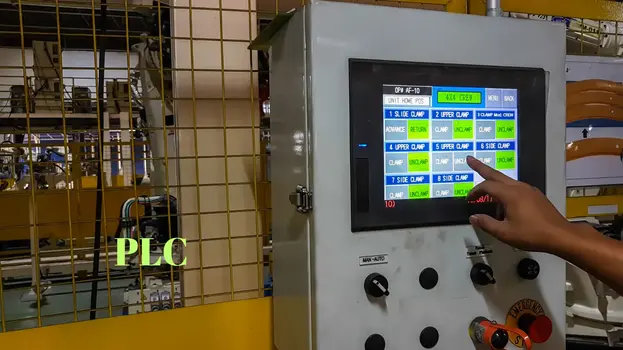
PLC is a word we frequently hear with the rapid application of technology to production and machinery. When we look at its full form, it comes up as Programmable Logic Controller.
Due to the rapid integration of automation into our lives, it has gained prominence. These products are highly durable, real-time control devices used to automate machines and processes. In essence, they can be defined as new versions of the Relay-Contactor systems that we all know. They are faster, more flexible, and maintenance-free solutions compared to older products.
In Which Areas Is PLC Used?
It is possible to see PLCs in almost every area with a production line and control system. Factory automation is at the forefront of these. We can list many application points such as packaging, filling lines, HVAC (heating, ventilation, and air conditioning systems), water treatment, irrigation, and energy management.
What Structures Are Used in PLC Programming?
PLC, which we can actually define as a human interface, works with the logic of processing signals received from inputs and then controlling outputs. Here, sensors, buttons, and switches are counted as inputs, while motors, valves, and relays are seen as output units.
When we generally look at the programming software used;
LD – Ladder Diagram: This is the most commonly used programming type in the field. It is the language that best reflects relay logic.
FBD – Function Block Diagram: In short, it speeds up process control with ready-made blocks.
ST – Structured Text: It has an ideal structure for higher-level and complex algorithms.
SFC – Sequential Function Chart: It is applied for sequential, step-by-step processes.
In industrial communication, data exchange with field devices is carried out using protocols such as Modbus, Profibus, Profinet, and Ethernet/IP.
What a good PLC software should have includes: Modular structure, clear naming, comment lines, error-alarm management, and simulation processes are of great importance.
What is a PLC Screen – HMI?
HMI, which is short for Human-Machine Interface, is a screen that allows the operator to monitor, manage, and intervene in the system.
On this screen:
- Instantaneous values, trends, and alarms/warnings are displayed.
- Set/adjustment values can be changed, and recipes inside can be managed.
- Fault statuses are diagnosed, and maintenance units are tracked.