








Cengiz Özemli
Academic
- Thread Author
- #1
Manufacturing Sector's Skills Gap is Growing
Today's manufacturing sector is struggling to cope with an increasing workload and facing significant difficulties in finding qualified personnel. According to Xometry data, 77% of manufacturers report having a backlog of work in production, while only 59% plan to hire new staff in 2027. This situation stems not only from a shortage of employees but also from a gap in the skills new employees need to possess.
The Bridge Between Machine and Software: The Most Challenging Roles
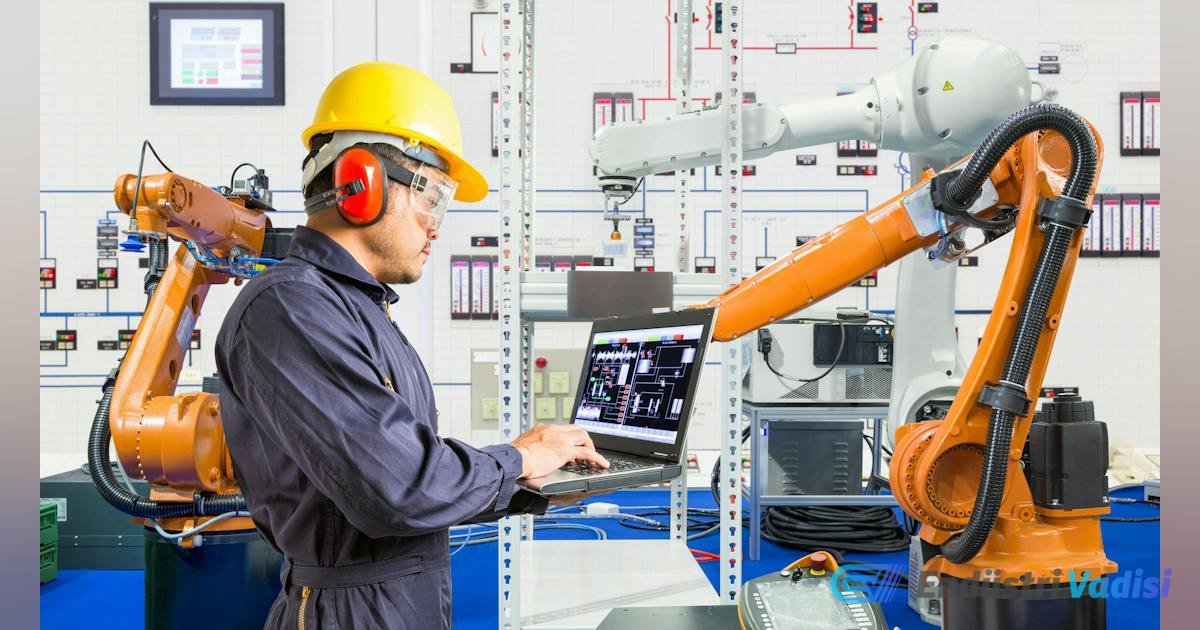
The industry has previously experienced a period where job roles changed along with equipment. Machine operators who once manually loaded every part are now tasked with supervising a robot that performs the loading. These operators still need knowledge of parts and processes, but now they also require the ability to detect when the robot malfunctions and get it back up and running. The rise of artificial intelligence (AI) and automation brings more work to the factory floor, yet a skills gap to meet the demand still exists.
Xometry's research revealed that AI and automation operators are the roles manufacturers find most difficult to fill, surpassing quality engineers, maintenance technicians, machinists, and CNC programmers. Manufacturers still need machinists and programmers. However, there is now also a need for people who can oversee automated systems, diagnose problems when these systems don't perform as expected, and improve the equipment over time.
Wage Increases Are Not Always the Solution
A typical response to a skills gap is to increase wages. This can work to a certain extent. A quarter of manufacturers state that wage increases have not led to a significant improvement in hiring or retention. While in large companies (81%), wage increases are seen to improve retention, this rate drops to 46% in organizations with fewer than 200 employees. This means that a large manufacturer searching for automation specialists can often outbid the rest of the market, but a small business competing for the same candidate may not succeed.
Can AI Be the Sector's New Hiring Argument?
Younger workers are already playing a significant role in answering these questions. The main challenge is convincing them to consider the manufacturing sector in the first place. Manufacturing has a strong hiring argument regarding job security. In the Xometry survey, 83% of manufacturers believe that skilled trades are more resilient to the risk of AI replacement compared to typical white-collar office roles.
This also aligns with how manufacturers are currently using AI on their factory floors. Technology makes workshops faster and accelerates production, but an experienced person is still needed to intervene when things go wrong. For Gen Z, this creates an opportunity to put their AI skills to work. In manufacturing, young workers can use these skills to drive growth in companies that require human intervention.
Which Skills to Possess, Which to Develop?
Even with stronger hiring, backlogs can grow faster than manufacturers can hire to clear them. A useful workforce plan for 2027 provides a clear view of which skills should be possessed, which should be developed in-house, and which should be brought in externally when the work requires it.
The advice for businesses is to possess the skills that define your work. This includes the capabilities a business uses every day and the work that makes it distinctive. Knowledge of a company's core processes, quality standards, and customer requirements is worth competing for and retaining.
Develop skills that align with the knowledge your team already possesses. For example, training a machinist to program and troubleshoot automated equipment is often faster than hiring externally.
Deciding where a skill should come from starts with your backlogs. Look at which work is consistently delayed or rejected and ask which skill is preventing it. Once you know this, ask how often you will need that skill and how long it will take to develop.
Plan the Work, Not the Org Chart
AI and automation will continue to change what factory floor work requires. As more manufacturing becomes automated, the people who operate, control, and improve these systems become even more valuable to the business.
For manufacturing leaders heading into 2027, the hiring plan should begin with two practical questions. First, what skills are our backlogs dependent on? And second, for each of these skills, do we need to possess it, or should we develop it internally?
While the answers will vary greatly among small, medium, and large businesses, regardless of company size, manufacturers who plan for these skills now will be better positioned to clear their backlogs, attract young talent, and make the most of the technology they have already invested in.























