








Semih Asil
Industry Valley
- Thread Author
- #1
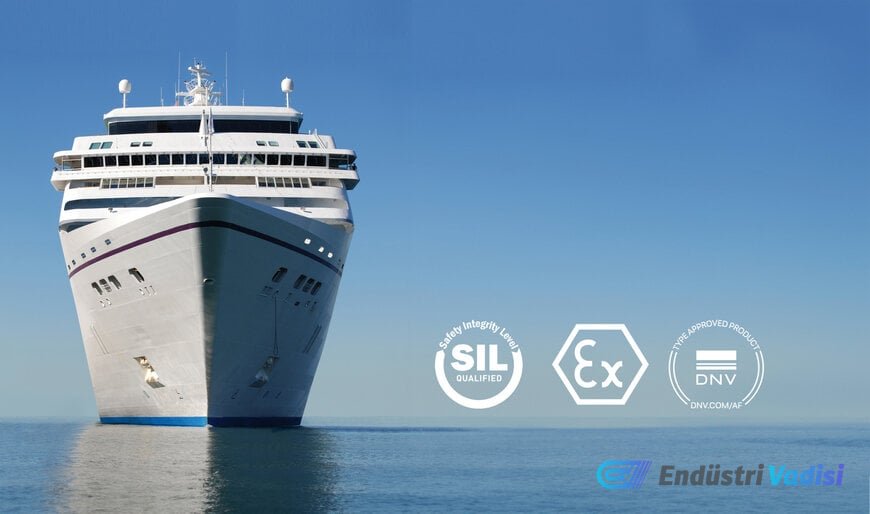
🌊 Digitalization and Decarbonization Gaining Momentum in the Maritime Sector!
JUMO showcased its sensor and automation solutions, which are shaping the future of the maritime industry, at SMM 2026. With the motto "Accelerating Maritime Transformation," the company is focusing on technologies that play a key role in achieving decarbonization, digitalization, and energy efficiency goals.
💡 Why Are Precise Measurement Data So Important?
Lars Ronge from JUMO emphasizes that high-precision measurement data forms the basis for safe and sustainable ship operations. Reliably monitoring processes is the only way to fully utilize optimization potential and economically meet legal requirements.
⚓ Ballast Water Management and Alternative Fuels in Focus
- Ballast Water Treatment: JUMO offers solutions for precise monitoring and control of pressure and level for compliant ballast water treatment processes.
- Alternative Fuels and Hybrid Propulsion: Sensors specifically developed for alternative fuels such as LNG, methanol, or ammonia, and hybrid propulsion systems, are at the forefront. These systems must withstand challenging conditions such as overpressure, cryogenic temperatures, or high toxicity.
- Predictive Maintenance: Through the intelligent integration of robust sensors with automation and software platforms, transparent condition monitoring becomes possible. This helps reduce energy consumption, lower emissions, and increase system availability with data-driven maintenance strategies.
🌍 Where is the Global Maritime Industry Heading?
The maritime sector is under immense pressure to comply with strict international regulations, such as those from the International Maritime Organization (IMO), and to improve its environmental footprint. Ballast water management and the reduction of greenhouse gas emissions are cornerstones of this transformation. Smart ship technologies and comprehensive digitalization are critical for safely and efficiently managing the increasing complexity of onboard systems, even with smaller crews.





















