




Süeda Asil
Corporate
- Thread Author
- #1
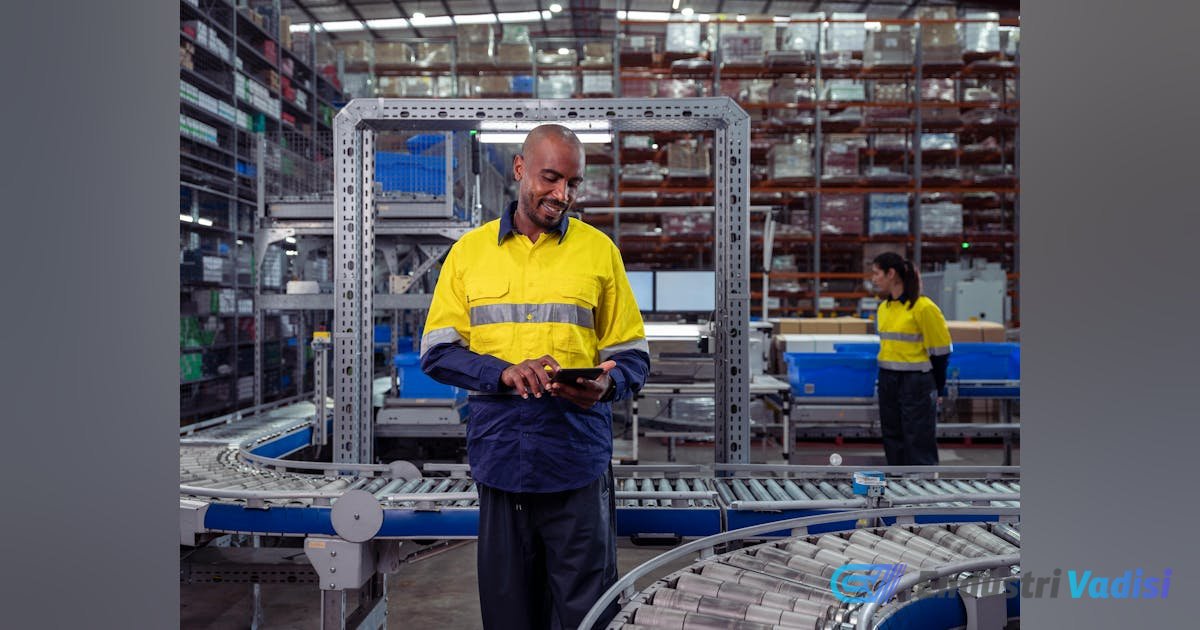
As manufacturers embrace AI to enhance autonomous operations, industrial safety needs to transition from isolated and static control sets to a dynamic paradigm that fosters machine and human collaboration.
🚨 Limitations of Traditional Safety Concepts
Despite advancements in automation and the increasing use of robots in industrial tasks, safety systems and protocols have remained relatively unchanged for years. Traditional safety guidelines mandate shutting down industrial assets when a potential threat is detected. While this protects employees, it can significantly impact plant efficiency.
"There's a huge shift happening right now," says Ted Combs of AVEVA. "In the past, safety efforts in operations were static, well-understood, and well-established; for example, there was a clear separation like 'don't enter that hazard zone.'"
🚀 The Era of Collaborative Safety: Humans and Machines Hand in Hand
The increasing use of robots and the progression towards autonomous operations render the static concept of safety obsolete. "This forces new interactions between people and machines, leading to changes in how safety is addressed," Combs adds.
IDEC, a provider of machine safety solutions, advocates for a new era of collaborative safety where humans and machines use shared data to provide more responsive and adaptable protections.
- Sensors
- GPS
- Wireless communication
- Image recognition
- Wearable devices
- Artificial intelligence
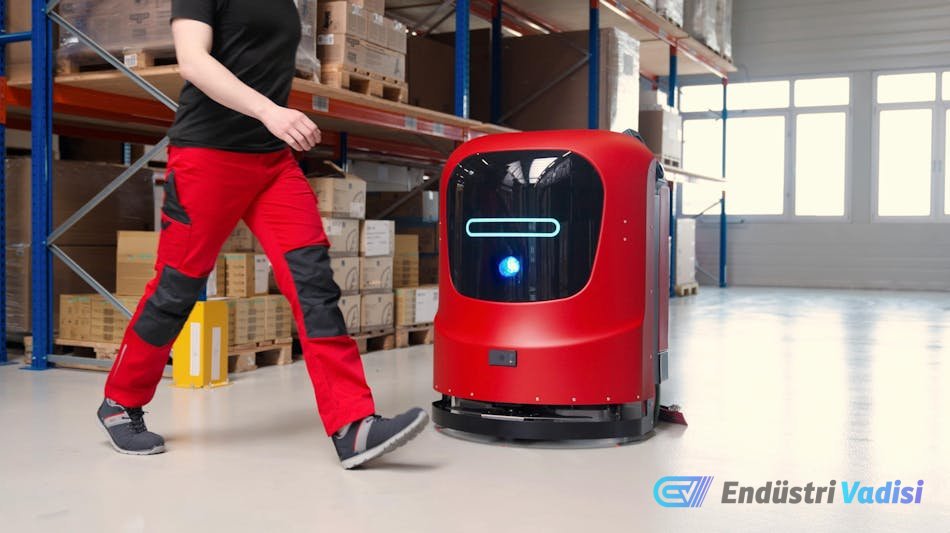
Through technologies such as these, industrial players can monitor systems and human-machine interactions, creating an environment where both domains can work together safely and effectively.
"By sharing information and working together, you create a more productive style of safety that is no longer black and white," says Masao Dohi, Manager of the International Standardization and Collaborative Safety Department at IDEC Japan.
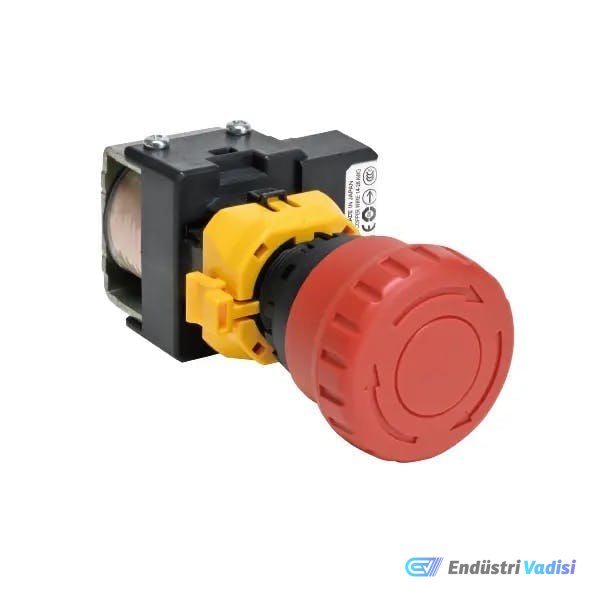
💡 IDEC's Assisted E-STOP System: The Future of Safety
IDEC's new Assisted E-STOP system is a perfect example of a safety system recalibrated for the dynamic demands of the modern industrial environment. The Assisted E-STOP works in conjunction with traditional emergency stop switch functionality, enabling remote activation of e-stops and preventing subsequent worker accidents caused by unexpected, unwanted restarts.
"The emergence of human robots and physical AI creates challenges," says Dohi. "An emergency stop assistance system in the form of a wearable device, based on the concept of collaborative safety, does a lot to enhance worker safety."
👁️🗨️ New Sensing Technologies Boost Robot Safety
As robots and other automated systems move from controlled areas to mainstream operational areas (like warehouses and factory floors), more intelligence and holistic sensing capabilities are needed to ensure more reliable and safe operations.
Sonair addresses this issue with what it claims is the first safety-rated 3D ultrasonic sensor for autonomous robots. Sonair's ADAR (acoustic detection and ranging) sensors bring 3D awareness to robots and industrial assets, providing advanced obstacle detection that enhances human safety.
According to Sonair CEO Knut Sandven, ADAR's key differentiators are its use of ultrasound and MEMS technology to fit powerful sensing capabilities into a small footprint. This also makes it scalable for cost-effective production.
"We're seeing huge interest from companies that want to remove existing fences and light curtains," says Sandven. "You can mount an ADAR sensor on a robot arm, define a safety zone, and send a signal to the machine to slow down or stop when something is detected. We can reduce safety zones and allow people to get closer to robots, which will increase operating speed and robot output."
🧠 AI and Robot Safety: Controls of the Future
As AI enables more flexible applications requiring dynamic interactions between humans and robots, it also plays a role in improving the controls that govern robot safety. For example, AI algorithms can enhance image-based systems for improved operator presence detection, similar to how the technology is used in self-driving cars.
"While AI has the potential to transform robot safety, this area is developing much more conservatively than other uses of AI," explains David Brandt, VP of Research and Development and CTO at Teradyne Robotics. This is because safety is a deterministic process, while AI is probabilistic.
Universal Robots and Teradyne are collaborating with AI startups and established companies to create new virtual safety measures. "We're looking at making AI responsible for safety with virtual fences so the robot can't go outside the area," Brandt explains.