






Süeda Asil
Corporate
- Thread Author
- #1
⚙️ KABELSCHLEPP Redefines Industrial Automation at EuroBLECH 2026!
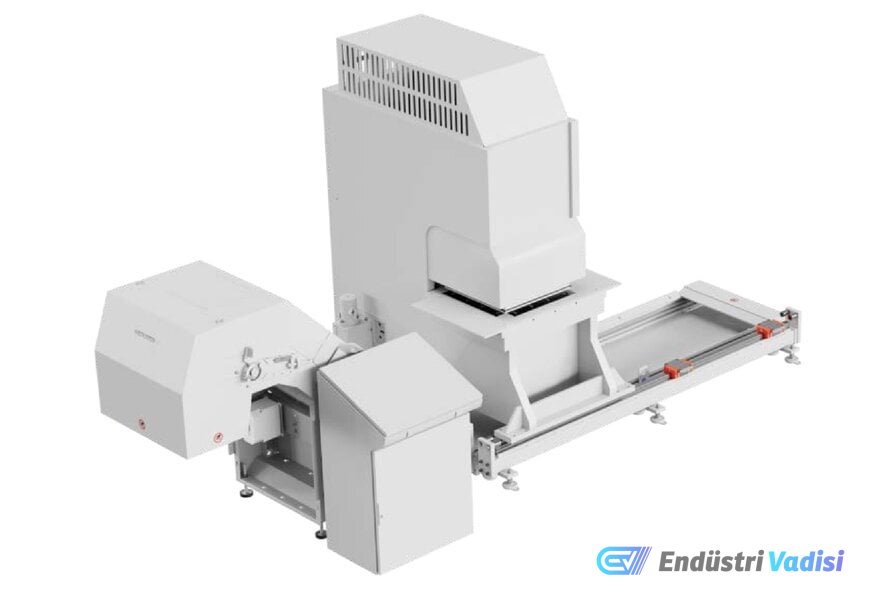
At EuroBLECH 2026 in Hanover, KABELSCHLEPP unveiled an automated skeleton web cutting machine designed to shred post-laser cutting skeleton sheets and optimize industrial automation workflows. This innovative solution offers significant advancements in sheet metal processing, cutting, and automated material handling.
🎯 Core Technology and System Architecture
The skeleton web cutting machine operates by feeding and mechanically shredding skeleton sheets remaining after thermal cutting or mechanical punching operations. An integrated cutting mechanism transforms irregular scrap into uniform metal particles. Subsequently, it sorts based on alloy properties, preventing mixed metal contamination and ensuring the scrap meets secondary metallurgy requirements directly within the production cell.
🛠️ Deployment and Ease of Application
This shredding and sorting station is designed for dual-mode deployment within industrial automation architectures. Facilities can utilize this equipment as a decentralized, standalone workstation for batch scrap processing or connect it directly to downstream sheet metal processing centers via standard digital infrastructure and handling interfaces. In synchronized configurations, the unit integrates into existing production layouts, receiving residual skeletons directly from automated unloading systems.
🏭 Industrial Applications
The system is ideal for precision sheet metal manufacturers, automotive component suppliers, and mechanical engineering facilities utilizing automated CNC laser and punching centers. Traditionally, handling bulky skeleton metal webs led to issues such as excessive manual processing, tripping hazards, and increased forklift traffic in production areas. Automating the shredding and sorting phase eliminates structural handling bottlenecks, stabilizes post-cutting cycle times, and enhances workplace safety by removing manual scrap bundling procedures.
📈 Operational Impact and Performance Metrics
Shredding skeleton scrap directly within the machine envelope reduces required floor storage space and optimizes handling density. Processing metals by different alloy grades preserves scrap value, allowing facilities to feed sorted materials directly into recycling circuits and reduce bulk waste disposal costs. The operational logic transforms post-process material management from an erratic scrap expense into a predictable, resource-efficient supply chain.