








Ahmet Ö.
Corporate
- Thread Author
- #1
✨ Integrated Automation Architectures Took Center Stage
At SPS 2026, Regal Rexnord showcased integrated automation architectures designed for factory machines and material handling equipment. These systems unveiled the future of connected industrial motion control.
⚙️ Core Technology and System Architecture
The exhibition took place in Nuremberg, Germany, from November 24-26, 2026. The exhibited system architecture combines IEC 61131-3 compliant controllers with real-time Ethernet networks to synchronize multi-axis servo drives and precision linear actuators. Kollmorgen servo platforms, Thomson ball screw linear units, and Portescap miniature brushless DC motors are integrated via standard communication protocols. Additionally, Warner Electric's electromagnetic safety brakes provide secure mechanical locking in the event of power loss.
🏭 Industrial Applications
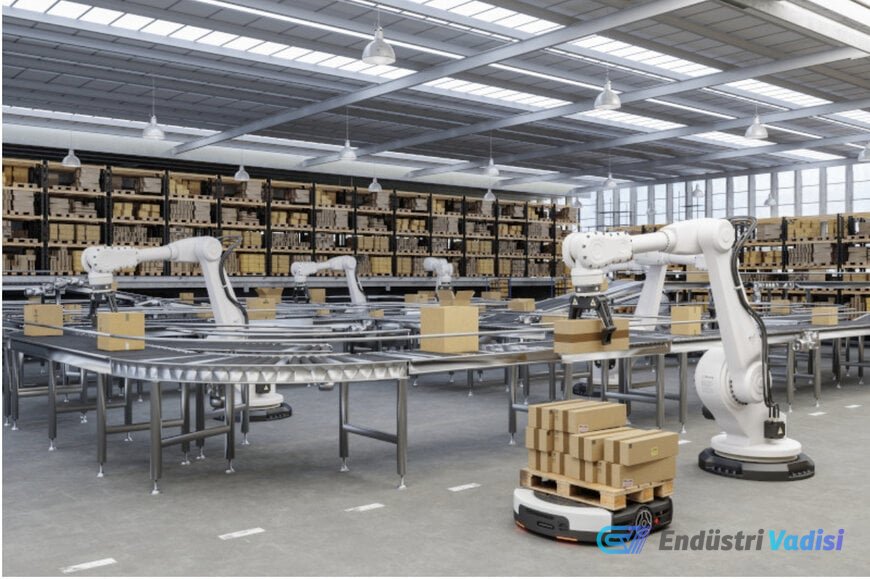
These technologies target a wide range of applications, including discrete manufacturing cells, high-speed packaging lines, automated material handling systems, and medical device manufacturing. Notably, coordinated 7th-axis cobot transfer units working with conveyor systems are used in precise pick-and-place routines, enhancing process stability.
🛠️ Deployment and Implementation
The implementation of these systems involves integrating motion components from different brands into unified machine control loops using standard fieldbus interfaces and central engineering software. Modernization of existing automation cells is achieved through modular gateway units that combine legacy machines with modern servo drives and safety controllers.
📈 Operational Impact and Performance Metrics
The coordinated multi-axis architecture reduces motion settling times and eliminates cumulative tracking errors in complex transfer sequences. These engineering efficiencies maximize machine throughput, reduce mechanical wear on transmission components, and extend operational life in continuous duty cycles.






















