



Süeda Asil
Corporate
- Thread Author
- #1
A New Era for Green Hydrogen Production with Digital Twin Technology
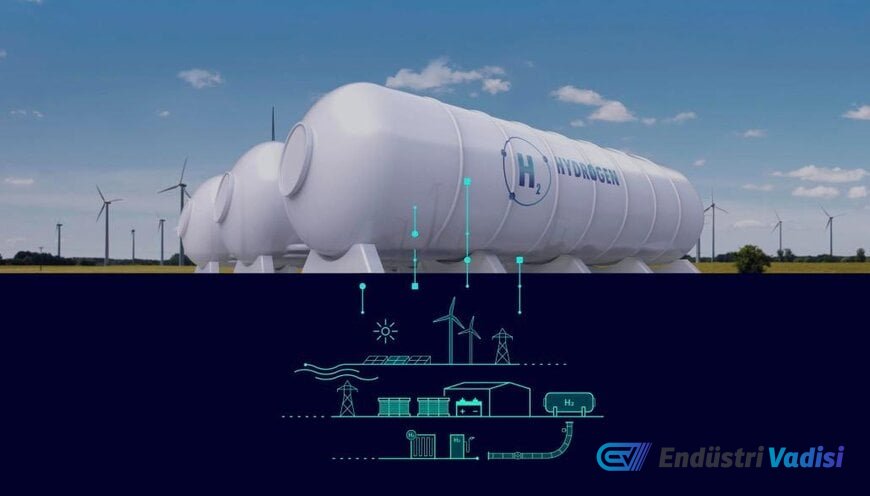
Siemens, Mescada, and InterContinental Energy have joined forces to develop a process optimization digital twin for large-scale green hydrogen production and AI-powered renewable energy infrastructure. This engineering initiative integrates process modeling and plant data management software to standardize gigawatt-scale energy facilities before physical construction begins.
Engineering Challenges in Gigawatt-Scale Hybrid Facilities
Developing multi-gigawatt clean energy infrastructure in remote regions carries significant capital and operational risks. Combining intermittent wind and solar generation with continuous electrolysis and AI compute loads requires dynamic balancing between variable power supply and fluctuating demand profiles. Without rigorous pre-construction validation, equipment mismatches and unoptimized plant configurations can inflate capital expenditures and delay project financing. To create a standardized, repeatable engineering template, thermodynamic behavior, equipment performance, and lifecycle costs must be simulated prior to front-end engineering design and final investment decisions.
Digital Twin Architecture and Joint Responsibilities
The technical collaboration divides software procurement, system integration, and plant engineering across the three organizations. Siemens provides the core industrial software suite, including gPROMS for advanced process modeling and COMOS for controlled engineering data management. Solution partner Mescada manages software delivery, client engagement, hands-on technical training, and first-line engineering support with Siemens technology backing. InterContinental Energy integrates these tools into its proprietary P2(H2)Node architecture, which typically pairs 1 to 1.3 gigawatts of combined electrolysis and AI compute capacity with approximately 2.6 gigawatts of renewable energy generation.
At the system level, gPROMS operates as the dynamic process modeling engine embedded within InterContinental Energy’s Python-based optimization and data workflow. This allows engineers to simulate transient renewable energy profiles and compare equipment configurations from competing suppliers against reliability and cost parameters. Concurrently, COMOS establishes a unified engineering data environment that manages standard node configurations alongside site-specific variants. COMOS governs equipment specifications, technical documentation, and the automated generation of key engineering deliverables, including process flow diagrams and piping and instrumentation diagrams.
Darryl Kaufmann, General Manager of Digital Industries for Siemens Australia and New Zealand, explained the engineering rationale: "Energy at this scale can only be built with confidence if projects can be digitally designed, tested, and costed before construction begins. ICE is among a growing wave of energy developers who want a digital twin from the earliest feasibility stage, not waiting for construction or operations, and gPROMS and COMOS provide them with a single, trusted source of engineering and cost data to do it."
Project Funding and Industrial Impact
The $3.12 million initiative is co-funded by the Australian Renewable Energy Agency through its Emerging Renewables Program, contributing $1.56 million to the development. By establishing a single source of truth that links process simulation with engineering and cost databases, the digital twin workflow accelerates early-stage feasibility validation.
The standardized engineering methodology is expected to reduce green hydrogen production costs by up to 20 percent and create a licensable plant template for global deployment. Validating repeatable gigawatt-scale designs supports industrial decarbonization across heavy manufacturing, steel production, fertilizer synthesis, maritime shipping, and high-density AI data centers.