





Semih Asil
Industry Valley
- Thread Author
- #1
🤔 New Roles and Expectations on the Factory Floor
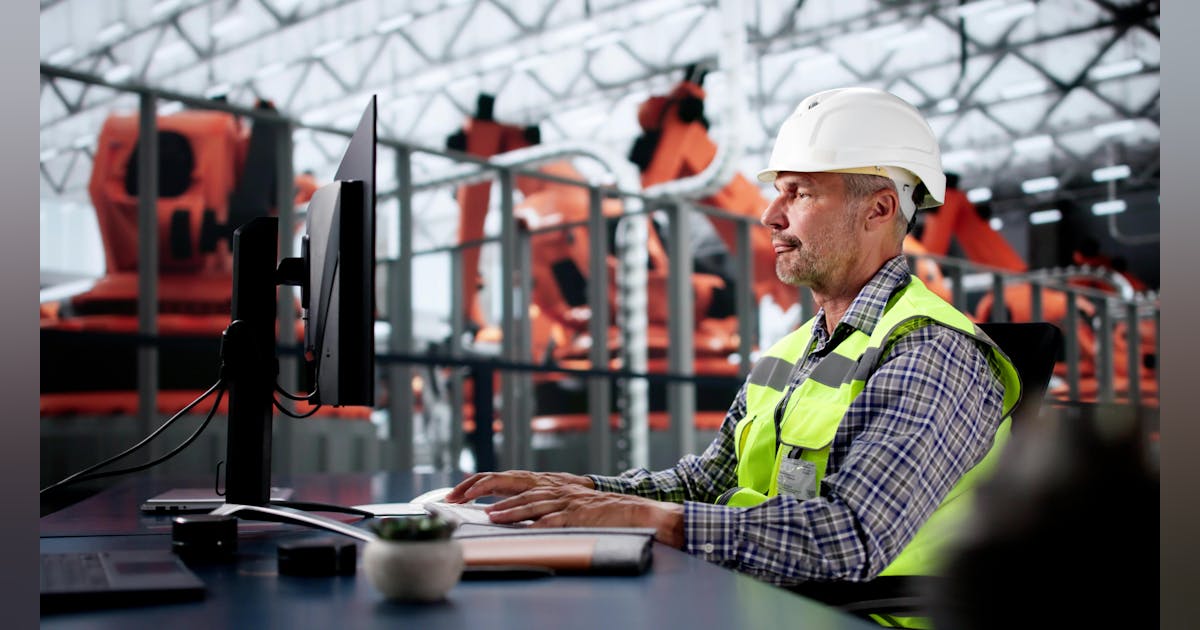
Walk through a factory production line and ask workers what they do, and you’ll likely get answers that align with their job titles. Observe them for an hour, however, and you might notice that those titles no longer fully reflect the work they do or the skills manufacturers increasingly need.
As manufacturers embrace AI, robotics, digital twins, and connected production systems, front-line roles are expanding beyond their traditional boundaries. When workers aren’t prepared for these expanding responsibilities, manufacturing leaders risk not realizing the full value when they invest in advanced technology, and taking on new risks in terms of quality, safety, and uptime.
💡 The Renaissance Worker: Expanding Areas of Expertise
The “renaissance worker” taking shape on the factory floor isn’t someone who knows a little bit of everything; it’s an expert whose expertise extends beyond the description on their badge. This doesn’t mean machine operators need to be engineers or maintenance technicians need to be data analysts.
It means that beyond their primary discipline, workers need to know enough to understand how technology impacts a task they already know, recognize when there’s a problem, and then determine what needs to be done. Their expertise should complement, not replace, the specialized expertise that enables them to act on what they see.
🤖 Automation Expands the Job, Not Replaces It
While most conversations about automation focus on what technology takes away, the more interesting question is what it gives back. As technology takes on predictable, repetitive tasks, workers shift their focus to work that requires human judgment, problem-solving, and adaptability.
They must supervise systems, investigate irregularities, and make decisions when confronted with a situation that an automated process wasn’t designed for. For example, a machine operator working with an AI-powered production system shouldn’t just operate the equipment, but also respond to information about its performance, evaluate AI-generated recommendations, and determine whether a problem stems from the machine, its inputs, underlying data, or another connected process.
This requires more than technical training on a specific tool. It demands critical thinking, systems awareness, and knowledge of the process, equipment, and operating conditions to question the technology when experience suggests a different answer. In other words, as automation takes on more of the execution, the worker’s role increasingly shifts toward interpretation and intervention.
💻 Digital Fluency Is Not Technical Mastery
Manufacturers don’t need to turn every worker into a technologist. They need digitally fluent workers who can responsibly use an AI model, robot, or digital twin, interpret its output, and recognize its limitations.
Here, the distinction between access and understanding becomes particularly important. AI can help a worker find information, generate analysis, or contribute to a task outside their usual responsibilities. However, getting an answer isn’t the same as understanding it. Fluency requires workers to relate that information to the realities of their job and recognize when a seemingly plausible answer doesn’t fit the situation in front of them.
Yet, workers are largely being asked to make these judgments on their own. In our latest workforce readiness research, 31% of respondents said AI guidance in their organizations varied by team or manager rather than following a company-wide standard, and less than one in ten indicated their organization had comprehensive AI governance.
This gap can be particularly pronounced among front-line workers, who may have less access to formal guidance, dedicated learning time, or the communication channels through which AI policies are often shared. Manufacturers are asking them to judge AI output without ensuring they receive a clear, consistent standard for using it.
Therefore, manufacturers must define digital fluency in the context of actual work. Broad, general technology training can introduce important concepts, but workers also need opportunities to apply those concepts to the systems, decisions, and problems they encounter every day. This practical fluency provides the foundation for workers to exercise the human judgment that more autonomous operations require.
📈 As Systems Evolve, Human Capabilities Become More Critical
AI can identify a pattern in production data, but an experienced worker can understand that the pattern stems from an unusual material, a recent process change, or a temporary environmental condition.
Tomorrow’s front-line workers will need to evaluate information rather than just receive it: separating the signal from the noise, understanding how one decision impacts the broader operation, and communicating what they see across production, engineering, maintenance, and technology teams.
Before deploying a new system, leaders should determine how it will change workers’ responsibilities. Consider a quality inspector who has flagged an AI imaging system as incorrect three times this month. They are right each time, but they can’t explain why in a way that convinces the engineering team. Until they can explain, the system maintains its settings, and they continue to catch defects it misses.
The inspector’s ability to translate experience into evidence that the engineering team can act on is what turns an individual observation into an operational improvement. This exchange isn’t separate from the value of technology; it’s what enables the manufacturer to realize it.
Adaptability will also be critical. Production workers have always adapted to changing production demands, but the pace of technological change means the tools themselves will continue to evolve. Rather than relying on expertise they developed when they first entered a role, workers must be prepared to learn throughout their careers.
These capabilities should not be treated as “soft” additions to technical jobs. In an automated environment, these are operational skills that directly impact uptime, quality, safety, and productivity. If manufacturers are increasingly dependent on workers to understand what technology cannot, these capabilities must be intentionally developed like any other skill.
⏳ Prepare Workers Before Roles Expand
Manufacturers cannot wait until new technology is installed to determine if workers are ready to use it. Workforce and technology planning must happen together.
Before deploying a new system, leaders should determine how it will change workers’ responsibilities, decisions, and skill requirements so they can address emerging gaps while preserving the specialized knowledge that automation cannot replace.
This requires a continuous approach to skill management: understanding where capabilities exist, where they are beginning to thin, and what workers will need next. Development must then be practical and continuous. Rather than relying on lengthy, one-off training programs, manufacturers should provide learning opportunities that are connected to real tasks, reinforced through coaching, peer learning, and on-the-job problem-solving.