








Cengiz Özemli
Academic
- Thread Author
- #1
✨ What is MES and Why is it Important?
Manufacturing Execution Systems (MES) are one of the cornerstones of digital transformation. MES enhances businesses' operational performance by providing visibility, control, and optimization in production processes. With features such as monitoring, inventory management, document control, and production planning, MES answers manufacturers' critical questions:
- What are we producing?
- Which materials were used?
- Was the approved process followed?
- Is compliance being maintained?
- What happened during production?
Through real-time data, alarms, and exception review workflows, MES translates operational data into actionable insights, improving quality, efficiency, and compliance.
🛠️ Choosing the Right MES Solution
Some MES platforms are specific to certain industries (life sciences, automotive, etc.), while others focus on capabilities like Electronic Batch Records (EBR). MES solutions can be built on SCADA, cloud-based, or ERP-centric architectures. Certified system integrators help organizations find the solution best suited to their needs.
💡 From Data Collection to Optimization: The Evolution of MES
While MES initially began as a data collection and traceability platform, it has evolved over time to become a foundation for advanced analytics, OEE monitoring, predictive maintenance, and intelligent planning. At the shop floor level, operators benefit from guided execution, automated record-keeping, and exception review workflows, reducing training requirements and minimizing compliance risks.
🔍 Understanding the Process Before the Technology
One of the most critical steps in MES implementation is gathering information from those who know the process best (operators, supervisors). These discussions shorten implementation times and prevent costly surprises. When the process is examined in depth, inconsistencies and workarounds often emerge that only experienced operators know. Detecting these hidden dependencies early ensures that MES accurately reflects how production "should be."
🚀 Preparing for a Seamless Transition

An effective MES deployment requires careful planning regarding downtime and implementation. Preparing documentation, updating policies, and aligning standards before system go-live significantly reduces disruptions and accelerates user adoption. Visual inspections and process assessments also provide valuable insights before deployment. Answering these questions establishes a baseline for current operations and allows for objective measurement of improvements in efficiency, quality, and compliance.
📈 Moving Beyond Digital Records
Some organizations begin their MES journey by focusing on Electronic Batch Records (EBR) and eliminating paper-based processes. While these benefits provide significant improvements in compliance, traceability, and record-keeping, they are only the first step in realizing the value of MES.
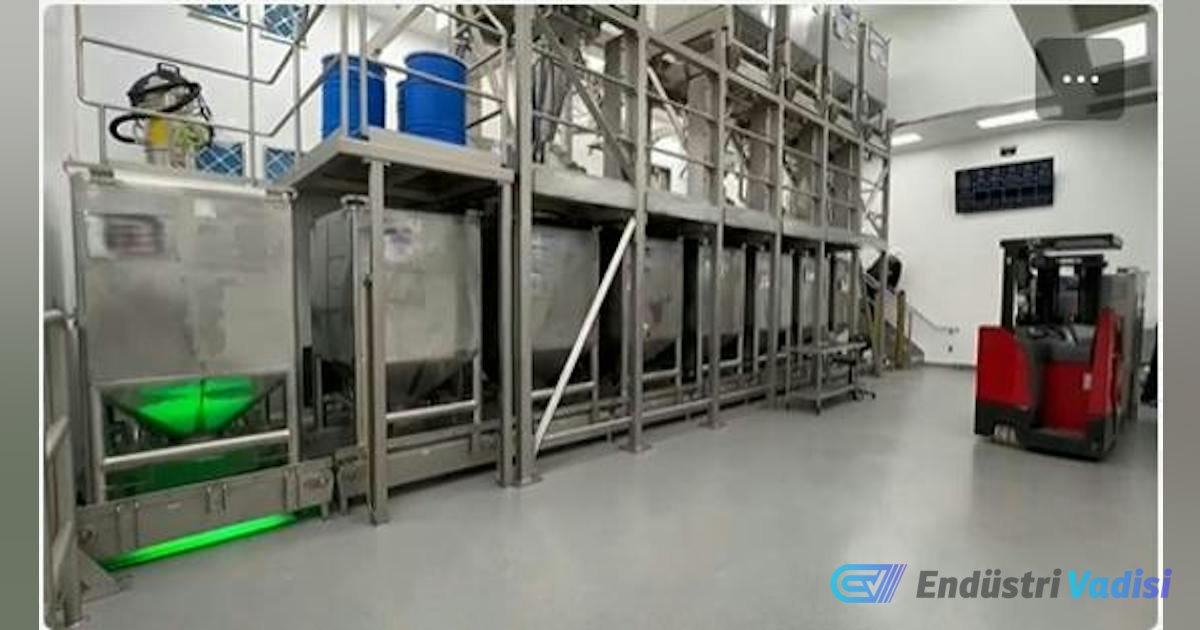
At Huffman Engineering, we designed and deployed a fully automated batch preparation and dispensing solution at a global pharmaceutical facility using PLC controls and integrated measurement equipment. This system automatically weighed and dispensed materials from multiple hoppers, ensuring consistent product quality and adherence to recipe requirements.
As MES integrates into daily operations, it transforms from a system of record into an execution and decision support system. Production, quality, maintenance, and engineering teams gain access to consistent, real-time information that enables them to make faster, more informed decisions. As data accumulates, MES systems also provide the foundation for advanced analytics, machine learning, and artificial intelligence initiatives.
🎯 Achieving True Process Optimization
Collecting data is just the beginning of the MES journey. The greatest value is realized when this information is used to improve decision-making, standardize operations, and drive continuous improvement. Instead of merely documenting what happened, MES enables teams to monitor critical process parameters, identify sources of variation, and implement corrective actions before issues impact production. By combining real-time operational data with quality, maintenance, and production goals, organizations can:
- Detect quality issues earlier
- Respond to deviations faster
- Reduce batch losses and rework
- Improve Overall Equipment Effectiveness (OEE)
- Shorten investigation times
- Increase production consistency
- Standardize best practices across shifts and facilities
As organizations mature in their use of MES, the focus often shifts from record-keeping and compliance to operational excellence. The system becomes a tool that drives continuous improvement, helping manufacturers reduce variability, optimize resource utilization, and achieve more predictable production outcomes.





















