






Alper Aktaş
Endüstri Vadisi
- Thread Author
- #1
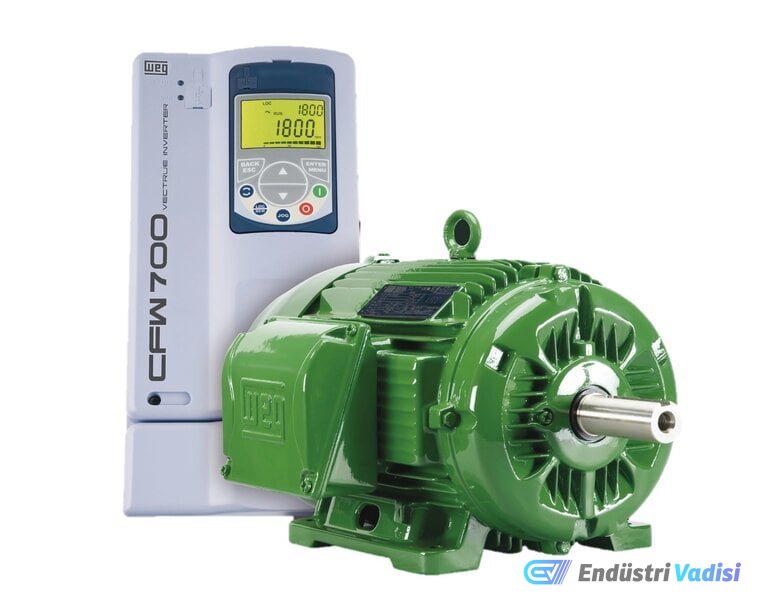
Electric motors are the primary mechanical power source for industrial applications such as pumps, fans, belt conveyors, and mixers. While the purchase cost of a motor typically accounts for less than 2% of the total cost of ownership (TOS), the energy consumed throughout its operational life covers approximately 98% of the total cost.
### The Importance of Consumption Tracking
Understanding energy consumption patterns provides significant advantages to businesses, both financially and operationally. Regular monitoring establishes a baseline for energy consumption, which is critical for identifying cost sources and early detection of performance changes that may indicate mechanical problems. Without tracking, implementing energy efficiency strategies is not possible.
### Strategies to Increase Efficiency
According to David Strain, Technical Director at Technidrive, to manage motor costs, not just the energy bill, but detailed consumption data should be analyzed. Businesses can increase energy efficiency and reduce overall energy consumption based on this data. Calculating precise operating costs enables informed decisions regarding system optimizations and technological upgrades.
### Energy Costs of Motors and the Importance of High Efficiency
The difference between the purchase price of a motor and its lifetime energy cost highlights the importance of selecting models that comply with high-efficiency standards, such as IE3 or IE4 efficiency classes. In a typical industrial environment, motors operate for thousands of hours annually, and even small increases in efficiency can lead to significant savings in the long run.
### Calculating Operating Costs
Annual energy consumption (kWh) is calculated using data from the motor's nameplate and modern energy meters. This is found by multiplying the annual operating hours by the motor's power. Total energy consumption, including losses, is calculated using the efficiency rate and then multiplied by the electricity tariff to find the annual operating cost. For example, a continuously running 45 kW motor, with an electricity tariff of €0.28/kWh, can have an annual cost exceeding €40,000.
### Load Factor and VSD Usage for Cost Optimization
This basic calculation should be adjusted according to the motor's load factor and efficiency rate. Industrial system integrators often recommend installing Variable Speed Drives (VSDs) to optimize costs. VSDs prevent the motor from continuously running at full speed by adjusting its speed according to the actual demand of the process. This leads to significant energy savings, especially in centrifugal applications like fans and pumps, where power consumption changes according to the Affinity Laws.