








Ahmet Ö.
Corporate
- Thread Author
- #1
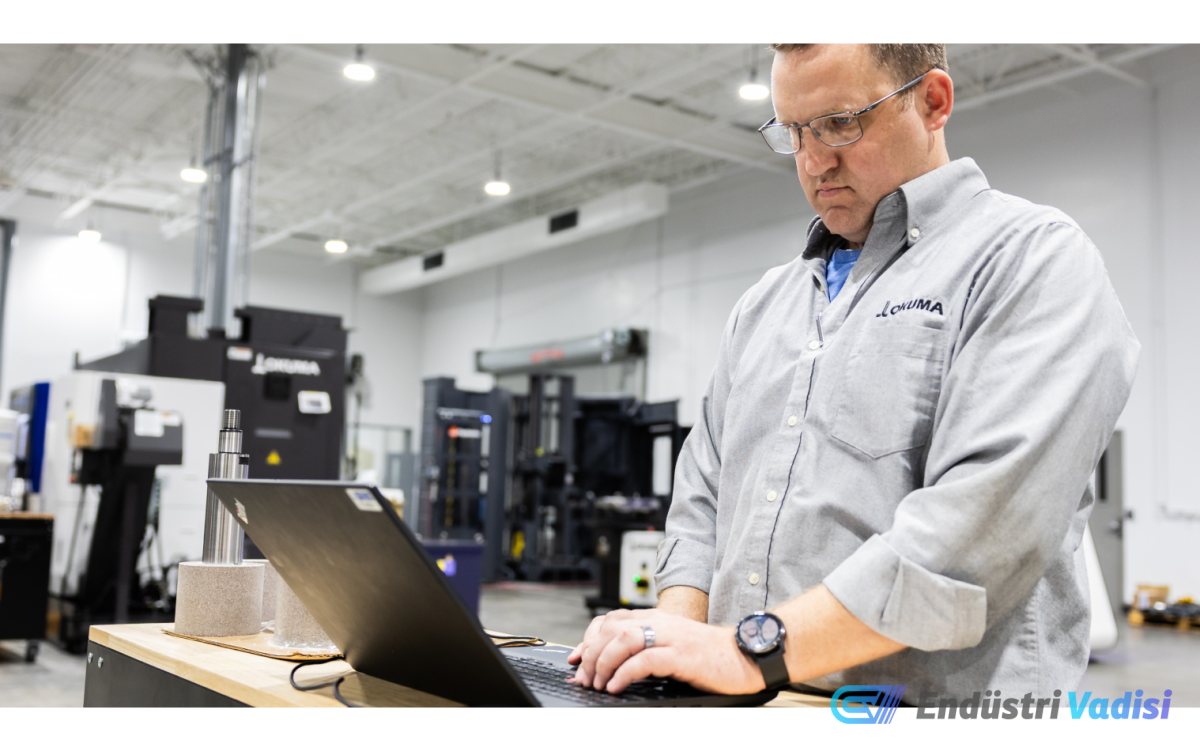
## Innovations That Operator-Free Manufacturing Can Create in Industry
In today's competitive business environment, automation has become one of the most preferred solutions. Increasing capacity to operate without operator supervision, preserving the workforce, and ensuring production continuity offer new opportunities for factories.
There is always a turning point in technology. Like the black and white television turning into color in the 1950s or the internet creating a digital revolution in the 1990s. Now, developments in automation have the potential to fundamentally change how our processing machines operate.
The widening talent gap in the industry and the increasing demand for parts are forcing companies to work more efficiently. Industry research shows that many workshops operate with 10 to 20 percent fewer qualified machinists than they need. In contrast, order demands and delivery times are steadily increasing. This situation is a critical turning point for companies that remain in the middle ground in the sector.
### The Importance of Operator-Free Manufacturing
Operator-free manufacturing allows lathes, multi-functional machines, and 5-axis machining centers to continue production without human intervention. This enables expert personnel to focus on setup, programming, controls, and troubleshooting. In addition to increasing efficiency, human-specific creativity is maximized.
In the traditional understanding, while the focus is on production speed, the real question should be "How many hours is the machine actively running?" Because speed alone is not enough; the main goal is to increase machine uptime and minimize non-operational times.
### Human-Machine Collaboration and the Future of Automation
Automation systems not only solve production problems but also create new opportunities. Okuma's fabrication automation solutions, with standard and special equipment, increase efficiency from the moment of installation, ensuring machines run continuously.
For example, some users see a return on investment within six to nine months and can produce without lights during second and weekend shifts. Thanks to automatic pallet changing systems (APC), machines continue production while workers move on to other tasks.
### Okuma's Approach and Solutions
Okuma designs technology with people in mind, offering its customers a compatible and supported ecosystem. While automation solutions enable machines to operate autonomously, human resources are directed towards more strategic tasks. The opportunity to focus on high-value tasks such as setup, process improvement, and quality control is increased.
### Conclusion and Gains
Companies that increase operator-free uptime increase their production without changing the number of personnel, reduce overtime, and prevent team burnout. At the same time, they can work safely during night and weekend shifts while maintaining the quality of parts.
This paradigm shift emphasizes the importance of human-machine collaboration. Automation, as a tool that complements and empowers the workforce, contributes to the sustainable success of the industry.
The new thought model for the industry is not just about producing faster, but also about enabling people to dedicate time to more creative and valuable tasks while machines are working. This approach fully opens the doors to efficiency and flexibility in production.




















