Süeda Asil
Corporate
- Thread Author
- #1
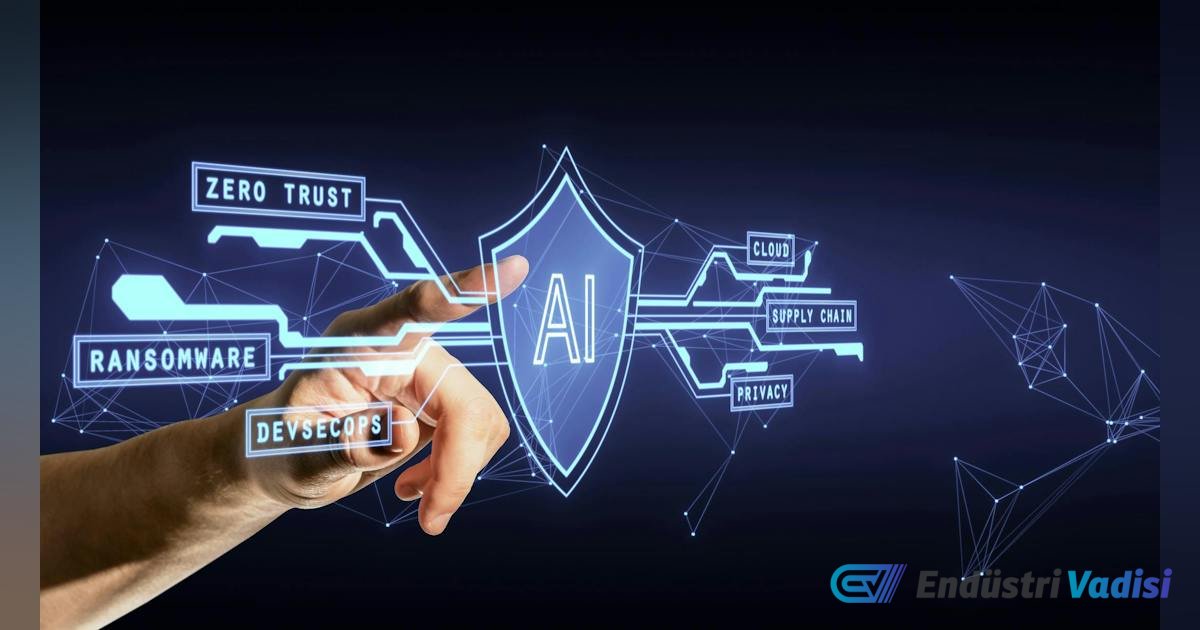
AI Security Incidents on the Rise in the Manufacturing Sector
According to a recent report, more than half of surveyed manufacturers experienced or suspected an AI agent security incident in the past year. This indicates a continuing upward trend in AI cybersecurity incidents and ransomware attacks within the manufacturing sector.
Weak Identity Management, Decreasing Confidence
Gravitee's "State of AI Agent Security Report," based on a survey of 900 senior technology leaders across various sectors, revealed that only 22% of respondents assigned a unique identity to each AI agent. This makes it difficult to determine which agent performed which action when shared credentials are used.
As AI agent deployment expands, organizations' confidence in their ability to manage incidents has decreased compared to six months ago. For example, the percentage of respondents who said they were "very prepared" for an agent incident dropped from 47% to 29%.
Manufacturing Sector Targeted by Threats
Threat activity in the manufacturing sector increased by almost 250% by April 2026. The impact of AI, both inside and outside manufacturing facilities, is a major factor in this increase. Manufacturers also continue to be a significant target for ransomware attacks.
Among all sectors surveyed by Gravitee, manufacturing has the lowest average share of managed agents at 45%. However, manufacturing also had the highest number of agents with their own identity, albeit only 22%. More than 10% run over 150 AI agents, increasing the number of systems requiring security auditing.
Lack of Accountability and Control
Across sectors, 97% of respondents reported running agents that call other agents, and 40% connected to agents from other organizations, yet only 27% could formally define accountability across the entire chain of agents. 16% stated that this situation was unclear.
The Gravitee report revealed significant gaps in organizations' ability to control, monitor, and respond to agent activities. Policies are enforced on only 51% of agents' actions, and only one in eight respondents can fully recover what an agent did 30 days ago, with only 6% able to revoke access for a malicious agent within an hour.
Consequences Beyond Data Loss
Despite agent management and accountability shortcomings, manufacturers continue to implement AI agents at increasing rates. According to another report, Netskope's "Threat Labs Report: Manufacturing 2026," active AI users in the manufacturing sector rose from 40% to 67% of total users in the past year.
Netskope emphasized that for manufacturers, cyber incidents can easily escalate into physical and commercial threats. With facility operations and corporate IT interconnected, a breach could halt a production line and expose decades of intellectual property, leading to consequences beyond data loss.
However, the Netskope report also found that manufacturers are consistently reducing shadow AI risk by steering users from personal AI accounts to corporately managed tools. In the past year, the adoption of corporately managed AI solutions increased from 35% to 70%.
But at the same time, the percentage of users switching between personal and corporate accounts rose from 9% to 25%, as employees toggle between managed and personal accounts. This supports other findings indicating that manufacturing is the sector most affected by the consequences of "authentication friction" due to the nature of shared workstations and supply chain connectivity.