








Cengiz Özemli
Academic
- Thread Author
- #1
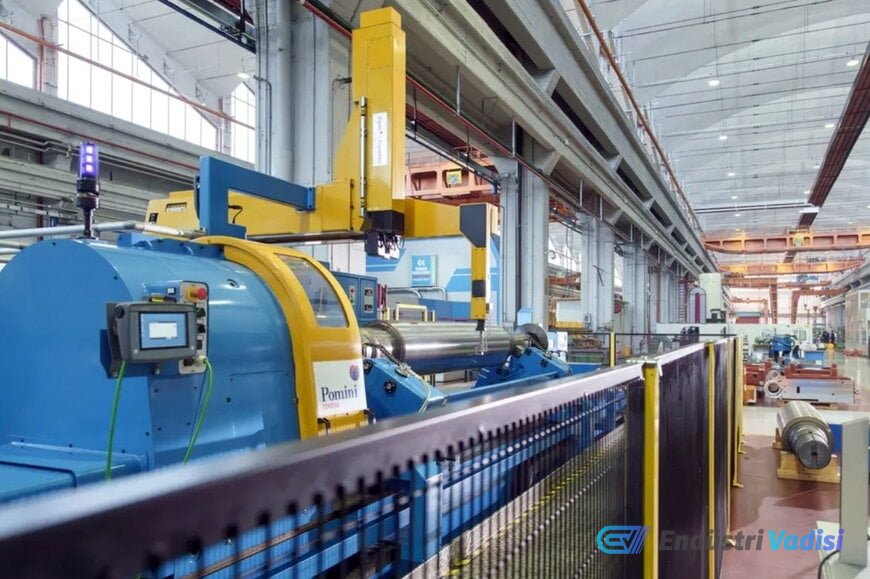
In industrial production, precision and efficiency are key to competitiveness. Roll grinding machines, especially those used in the steel and metal processing industries, are critical for maintaining surface quality standards. But what happens when the mechanical life of these machines outlasts their electronic systems? This is where the collaboration between Pomini Tenova and Siemens comes into play!
─────────────────────────
💡 The Need Behind Modernization
While roll grinding machines have long-lasting mechanical components, aging control systems over time create challenges such as compatibility issues, cybersecurity vulnerabilities, and a lack of predictive maintenance. Instead of replacing the entire machine, modernizing existing structures offers both a cost-effective and sustainable solution. Pomini Tenova's process knowledge and Siemens' technological power form the basis of this transformation.
─────────────────────────
🔧 Technical Solution and Architectural Approach
At the heart of this modernization lies the integration of advanced drive and automation technologies with Computer Numerical Control (CNC) architectures. Old hardware is being replaced with modern control systems capable of managing complex grinding profiles and inspection parameters.
[]Pomini Tenova: Provides process-specific mechanical updates, roll inspection systems, and automation logic tailored to workshop operations.
[]Siemens: Offers CNC hardware, digital twin simulation environments, and integrated safety and cybersecurity protocols for machine tools.
─────────────────────────
🚀 Implementation and Operational Impact
Modernization is applied to the existing customer infrastructure through systematically planned stages. Siemens uses its digital twin software in this process to simulate machine behavior, validate CNC codes, and test safety logic before physical commissioning. This approach minimizes operational downtime during the transition.
The operational benefits provided by this technical transition are quite striking:
[]Process Stability: Real-time adjustments through CNC systems ensure consistent grinding quality throughout the component's entire operational life.
[]Asset Life: Updating the electronic control core extends the total life of the machine by preserving existing mechanical investments.
- Ease of Maintenance: Sensor integration and AI diagnostics shift maintenance schedules from reactive to predictive models, reducing unplanned downtime.
─────────────────────────
📊 A Step Towards the Future
This integration paves the way for fully autonomous operations by combining existing mechanical structures with modern control interfaces. Such strategic use of industrial automation not only increases efficiency but also shapes the future of manufacturing processes.





















