








Alper Aktaş
Endüstri Vadisi
- Thread Author
- #1
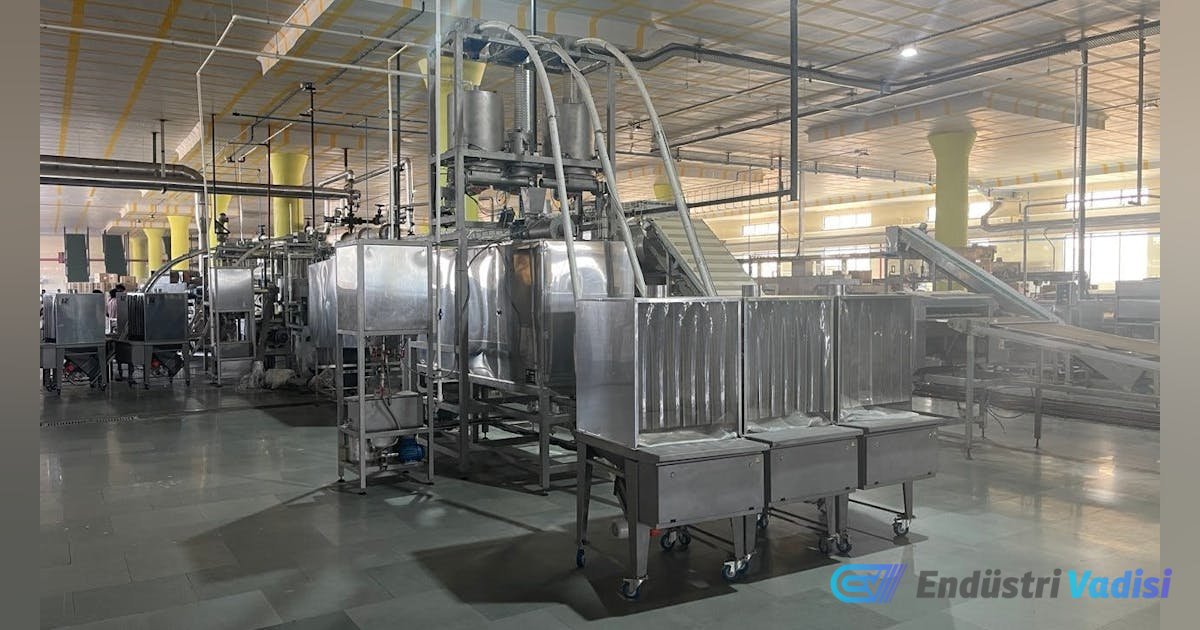
In early 2024, we received an invitation to enhance equipment reliability at Bikaji Foods International Ltd.'s manufacturing facility in Bikaner, India. This brief yet impactful engagement delivered measurable operational improvements in just two weeks.
─────────────────────────
🏭 Systemic Approach to the Production Line
The facility boasts multiple automated lines producing snacks, biscuits, corn chips, cereal bars, and flatbread-based products. Operational stability here is critical for production continuity. Unlike traditional audits, this engagement focused on improving systemic inefficiencies in maintenance practices and how to recognize and address early warning signs, rather than on equipment replacement or major capital investments.
─────────────────────────
💡 Simple Yet Effective Solutions
The approach implemented focused on structured maintenance logic, early signal detection, and simplified data tracking, without relying on complex or capital-intensive predictive maintenance systems. Working in coordination with plant management, maintenance managers, and production personnel, we analyzed recurring failure patterns and restructured maintenance workflows. This integrated maintenance optimization model aimed to increase predictability and reduce unplanned downtime.
─────────────────────────
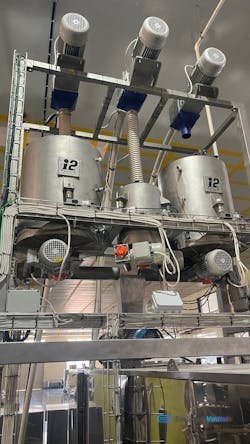
🛠️ Practical and Scalable Adjustments
The changes implemented were based on practicality and scalability. Maintenance schedules were adjusted to reflect the actual behavior of the equipment, rather than merely fixed time intervals. For example, the frequency of inspections and lubrication for specific components was revised based on operating conditions, load, exposure to contamination, and specific failure modes observed on-site.
[]Basic Monitoring Tools: Handheld vibration meters, infrared thermometers, and structured visual inspection routines were used to help maintenance teams detect early indicators of mechanical degradation.
[]Improved Communication: Communication between production and maintenance teams was enhanced with a structured reporting flow. Operators were trained to report specific conditions such as abnormal vibration, noise, or overheating using a simple escalation logic.
- Standardized Decision-Making: Decision-making processes for technicians were standardized. For instance, when abnormal vibration was detected but remained within acceptable limits, the equipment continued to operate under increased monitoring frequency. If vibration levels increased or temperature rose, a planned intervention was scheduled before a failure occurred.
─────────────────────────
📊 Measurable Results
Performance data collected approximately six months after implementation showed a reduction in equipment downtime of about 9% to 10% and a decrease in spare parts consumption of approximately 12%. These improvements contributed to increased production stability, reduced unplanned outages, and fewer maintenance interventions during operating hours.
─────────────────────────
🌍 Applicability in Diverse Environments
One of the most notable aspects of this approach was its applicability across different production stages, including dough processing, extrusion, baking, and packaging. This indicates that the effectiveness of the approach was not dependent on specific equipment types, but rather on the system-level design and execution of maintenance processes. Ultimately, it demonstrates how targeted engineering interventions, focusing on early signal detection and practical implementation, can enhance reliability without requiring significant capital investments.