

Ahmet Ö.
Corporate
- Thread Author
- #1
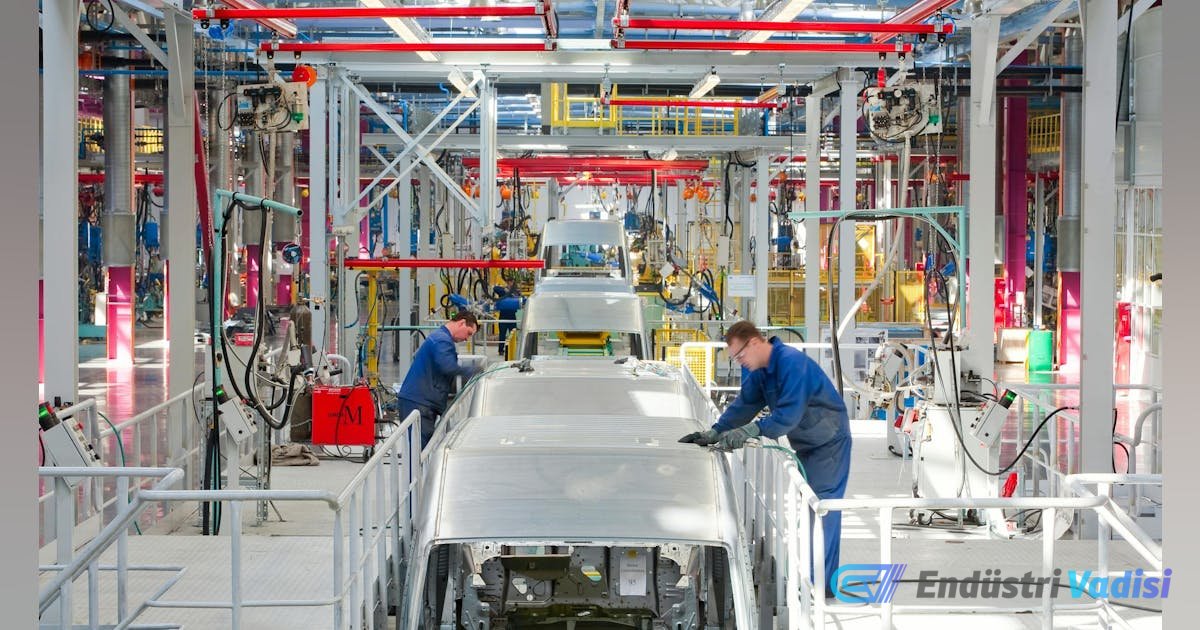
The manufacturing world is undergoing a critical transformation where the digital and physical boundaries are becoming increasingly blurred. At the heart of this transformation lies the integration of Information Technology (IT) and Operational Technologies (OT). This convergence not only boosts efficiency but also opens doors to competitive advantages such as sustainability and the ability to respond quickly to market dynamics.
─────────────────────────
💡 What is IT-OT Convergence?
At its core, IT-OT convergence brings together two traditionally separate domains:
[]IT (Information Technology): Focuses on data-driven decision-making processes, Enterprise Resource Planning (ERP) software, design systems like Product Lifecycle Management (PLM), and strategic analysis tools.
[]OT (Operational Technologies): Encompasses hardware and software that control and monitor physical processes on the production floor. This includes SCADA systems, PLCs, and Internet of Things (IoT) sensors.
─────────────────────────
🌐 Key Components of Convergence
The cornerstones of IT-OT integration are:
[]Digital and Virtual Twins: These technologies, which are virtual copies of physical assets, optimize operations and reduce risks by combining historical performance data, real-time information, and predictive models. Especially the Virtual Twin provides a holistic, actionable reflection of the physical plant, synchronizing design, engineering, and manufacturing.
[]Unified Architectures: The transition from traditional architectures to event-driven frameworks like the Unified Namespace (UNS) facilitates real-time data integration across all systems.
[]Edge Computing: Processing data closer to its source reduces latency and provides faster response times.
These components form the backbone of modern manufacturing strategies, offering predictive analytics, autonomous operations, and the ability to respond to the market in real-time.
─────────────────────────
📈 Strategic Benefits
IT-OT integration provides manufacturers with a range of powerful competitive advantages:
[
- ]Enhanced Operational Efficiency: Predictive maintenance reduces unplanned downtime by up to 40%. Automation leads to 15-20% savings in operational costs.
[]Real-Time Operational Insights: Unified dashboards help identify and resolve bottlenecks instantly.
[]Agility in Decision Making: Integration with edge computing enables rapid adaptation to market changes.
[]Sustainability Gains: Plays a significant role in achieving net-zero carbon goals through energy optimization and virtual twin models.
[]Improved Quality and Compliance: Integrated quality management systems catch defects early and align processes with regulatory standards.
[]Increased Workforce Efficiency: Augmented Reality (AR) tools accelerate training and troubleshooting.
[]Resilience and Risk Management: Cyber-physical systems strengthen cybersecurity and reduce risks arising from supply chain disruptions.
─────────────────────────
🚧 Challenges on the Path to Convergence
Despite this potential for transformation, manufacturers may encounter significant obstacles:
[]Cybersecurity Risks: Cyberattacks targeting OT environments are increasing. Zero-Trust architectures and endpoint protection are critically important.
[]Legacy Infrastructure: Aging infrastructures may be incompatible with modern IT architectures. Event-driven architectures and modular upgrades offer solutions.
[]Cultural and Organizational Barriers: Separate management of IT and OT creates a cultural gap. Multidisciplinary teams and cross-functional training can bridge this gap.
[]Skill Gaps: The demand for hybrid skills combining domain expertise, analytics, and IoT capabilities outpaces supply. Collaborating with expert training providers helps close this gap.