








Hasan S. Cemkan
Corporate
- Thread Author
- #1
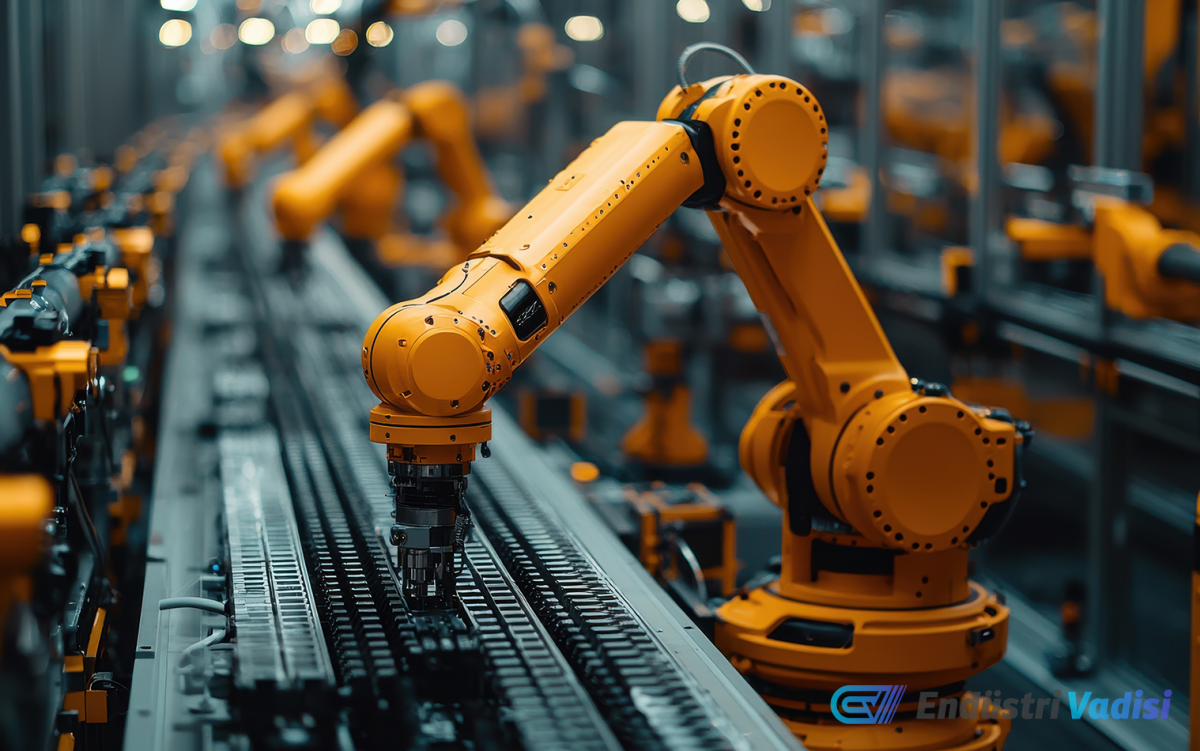
The rapid development in the field of robotics is driving many countries to make intensive efforts to prepare for the future of the robotics world. A report prepared by Accu Components examines data such as robotics education, engineer employment, patent applications, and R&D expenditures to identify leading countries in this field.
### 2026 Robotics Sector Overview
2026 will be a leap year for the full adoption of robotic technologies. The robotics hardware and software market is expected to reach $83.03 billion by 2034, with an annual increase of 9.4%. The global annual installation of industrial robots has been above 500,000 for over a decade and the upward trend continues.
Another prominent development is the Industry 5.0 approach, which is based on the concept of Human-Robot Collaboration (HRC). In line with this concept, collaborative robots (cobots) are approaching 10% of total sales, taking on a complementary role to human labor.
### Leading Countries in Robotics
Accu Components identified leading countries in robotics by conducting an assessment called the Robo-Readiness Index, which includes device infrastructure, employment, and funding criteria.
Singapore ranks at the top of the list with a score of 81.5 out of 100. Singapore achieved the highest scores in robotics patent applications and the number of robotics companies per million people, also demonstrating strong performance in robotics engineer demand. This indicates that companies in the country are rapidly established, employed, and file patent applications to protect innovation.
Scandinavian countries Denmark, Finland, and Sweden are also in the top 10 of the list, while the UK and Germany stand out in terms of robotics education programs.
### Who Leads in Robotics Engineer Employment?
Small countries lead the list in terms of robotics engineer job postings per million people. Luxembourg is at the top with 45 postings, followed by Ireland with 27 and Estonia with 22.
Singapore, which is at the top of the overall list, ranks tenth in engineer recruitment. This suggests that Singapore is now focusing more on the efficiency and maintenance of its existing robotics infrastructure rather than recruiting new engineers.
### Looking to the Future
Patrick Faulkner, Chief Engineer at Accu Components, states that robots will continue to profoundly impact the way we live and work. Home robots will become widespread, delivery robots will take their place on the streets, and robot taxis will already be on the roads. Faulkner emphasizes that governments will fall behind if they do not invest in robotics research, and states that initiatives like "Made Smarter" in the UK are accelerating adoption.
Faulkner also says that automation systems collaborating with humans, especially cobots, are designed to complement humans and increase human safety in dangerous environments. However, he points out that rapid adaptation could lead to resistance in the workforce. He adds that while technology will advance, how employees are integrated into this process will be decisive for the acceptance or rejection of the robotics revolution.