
Ahmet Ö.
Corporate
- Thread Author
- #1
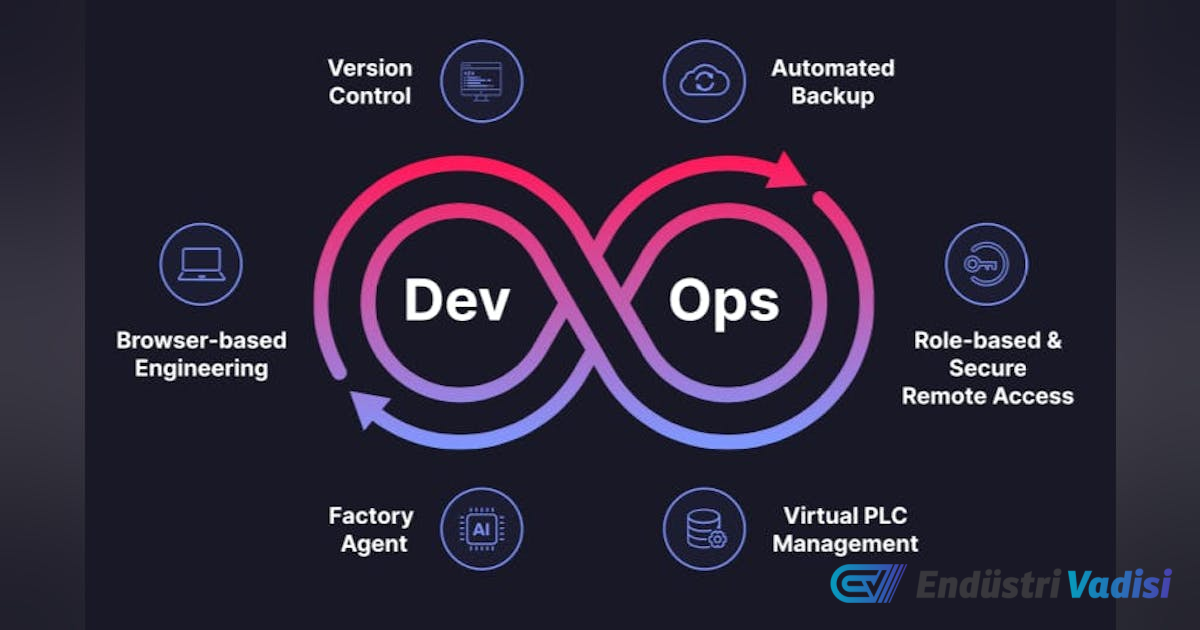
Software Defined Automation Inc. (SDA) has added new AI-powered engineering tools, automated OT security capabilities, and broader multi-vendor support to its existing version control, backup, secure remote access, and documentation platform.
The company states that these enhancements target three common challenges in industrial automation: developing control code for disparate technology platforms, the need to systematically manage PLC firmware vulnerabilities, and the complexity of operating multi-vendor control environments from a single platform.
### Details of the New Tools
- AI Difference Explanation: By comparing versions, it generates human-readable project summaries about what changes were made, why they might have been made, and their impact on system behavior. This is designed to accelerate code reviews, troubleshooting, and audit preparations.
- Multi Vendor Code Generation: Allows engineers to define control logic in plain language and generates IEC 61131-3 compliant code according to Siemens TIA standards. This includes variable declarations, function blocks, and inline documentation.
- SDA Firmware Shield: Lays the groundwork for identifying firmware risks and supporting compliance assessments in control system components.
- New Cross-Platform Sync Client: Enables engineers to work with up-to-date project versions by performing automatic background synchronization between the SDA server and local storage.
Additionally, the company is expanding its automated backup features for Siemens Sinumerik CNC controllers. This system stores NC programs, tool compensation tables, machine parameters, and PLC programs in a versioned, integrity-verified repository, allowing for rollback to a specific point in time.
### Contributions of SDA's New Features to Industrial Automation
- Code development and management are simplified in multi-vendor environments
- Firmware security and compliance assessments are strengthened
- Project version management and synchronization processes are accelerated
- The risk of data loss is reduced with automatic backups
These innovations aim to manage automation systems more securely, flexibly, and efficiently.