








Hasan S. Cemkan
Corporate
- Thread Author
- #1
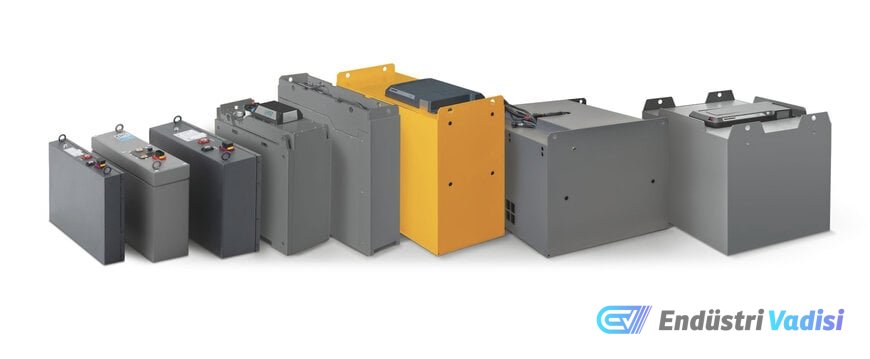
Jungheinrich is bringing performance evaluation to earlier stages in the battery development process for electric industrial vehicles by using Monolith AI models. This method aims to increase development speed while reducing the number of physical tests.
### Early Performance Prediction and Reduction of Testing Processes
Battery production typically involves repetitive tests and generates large datasets. Jungheinrich processes this data on Monolith's AI-powered engineering platform, enabling machine learning models to make performance predictions based on actual test results.
- Key performance indicators such as efficiency, durability, and behavior under load are predicted at an early stage.
- Design decisions are validated more quickly thanks to data-driven insights.
- The scope of physical test campaigns is reduced.
### Reduced Development Time with AI-Powered Engineering
In today's rapidly evolving battery technology landscape, manufacturers are under pressure to shorten R&D processes without compromising reliability and performance. AI-based models reveal trends and relationships within complex datasets, allowing critical experiments to be prioritized.
### Centralized Engineering Data Management
The collaborative platform enables engineering teams to easily access historical test data, validated prediction models, and performance analyses. This facilitates knowledge sharing across projects, improving decision-making processes.
### Applications in Electric Industrial Vehicles
AI-powered battery evaluation optimizes battery performance, which directly impacts vehicle range, charging behavior, and operational efficiency. Jungheinrich thus makes its electric product portfolio more sustainable and high-performing.
This collaboration demonstrates the increasing importance of integrating data-driven tools into product development in industrial engineering, aiming to reduce costs and enhance performance.






















