
Mucitler Elektrik
Corporate
- Thread Author
- #1
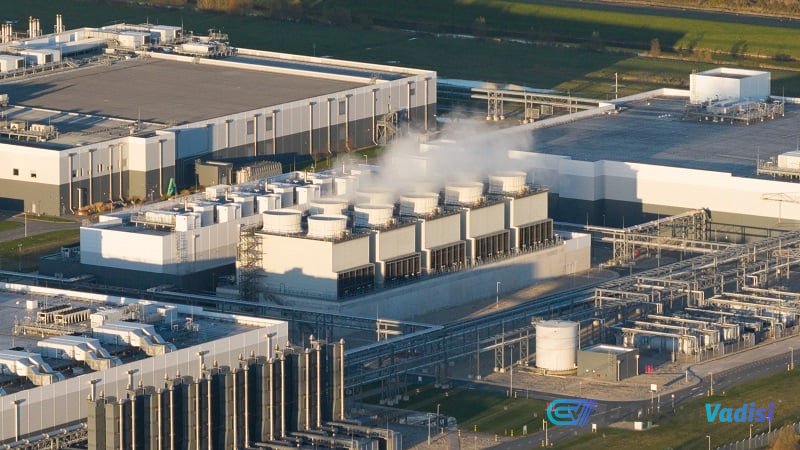
Data centers form the backbone of the electrical distribution and industrial sectors, playing a critical role from grid analytics and distributed energy resource management to the growing fields of artificial intelligence and machine learning. However, high energy consumption, water demand, and the increasing risk of cyberattacks pose significant challenges for this sector.
In an interview with Pete Tecos, Weidmüller's Director of Data Centers and Energy, important insights were shared regarding data center automation, security, environmental impacts, and regulations. For automation engineers in particular, the fundamental question is how to design automation and security solutions without sacrificing reliability and performance in the face of these pressures.
### Environmental and Energy Regulations
In the US, there is no single federal efficiency law for private data centers. However, operators demonstrate their performance by referencing DOE design practices and EPA ENERGY STAR certification. While these approaches are voluntary, they are included in ESG programs and customer demands. The SEC's climate-related disclosure rules, finalized in March 2024 but awaiting resolution in litigation, mandate that large companies report their greenhouse gas emissions and climate risk management.
Regarding water usage, state-level regulations are accelerating. With the growth of AI and high-performance computing facilities, lawmakers are introducing reporting and incentives for recycled water and closed-loop cooling. The European Union, on the other hand, has set standards under the Energy Efficiency Directive, which mandates the reporting of environmental KPIs for data centers over 500 kW.
### Security in Data Center Automation
Cybersecurity vulnerabilities in data centers typically don't originate from highly secure servers; the weak point is often facility automation and operational technology devices. Weidmüller designs its security systems using NIST SP 800-53 Rev. 5 for controls, 800-82 Rev. 3 for OT adaptations, and 800-207 for zero-trust architecture.
The reason AI is seen as a "black box" is less about a lack of transparency and more about the growing volume of artificial data and increasing system interconnections. These risks are managed through AI data classification, control with policy-based firewalls, and logging of all operations.
### Updates and Continuity
The continuous need for updates in highly reliable systems creates a significant dilemma for professionals. Weidmüller separates rapid IT updates from planned OT periods with an engineering approach to change, supports continuous operation with redundant power and cooling systems, and makes every change observable and reversible.
With a single robust telemetry infrastructure, data used in regulation and sustainability reports is reused to validate software updates. This allows for objective monitoring of efficiency and stability indicators.
### Pete Tecos's Weidmüller Approach
- Sustainable automation solutions without sacrificing performance and security.
- Zero-trust OT architecture compliant with three core standards.
- Process-oriented telemetry usage aligned with environmental regulations.
- Continuous operation with redundant systems and traceable change management.
Weidmüller secures the continuity and performance of data centers by making critical infrastructure layers such as cabling, I/O, edge connections, and secure updates reliable. This enables the achievement of reporting, security, and operational goals.
### Reference Standards and Resources
- DOE Best Practices Guide for Energy-Efficient Data Center Design (2024)
- EPA ENERGY STAR Data Centers
- SEC Climate Disclosure Final Rule (March 2024, not yet in effect)
- EU EED Data Center Reporting and Assessment
- ISO/IEC 30134-2:2026 (PUE)
- ASHRAE TC 9.9
- NIST SP 800-53 Rev.5, 800-82 Rev.3, 800-207
This comprehensive approach allows for overcoming both environmental and operational challenges in data centers.