




Cengiz Özemli
Academic
- Thread Author
- #1
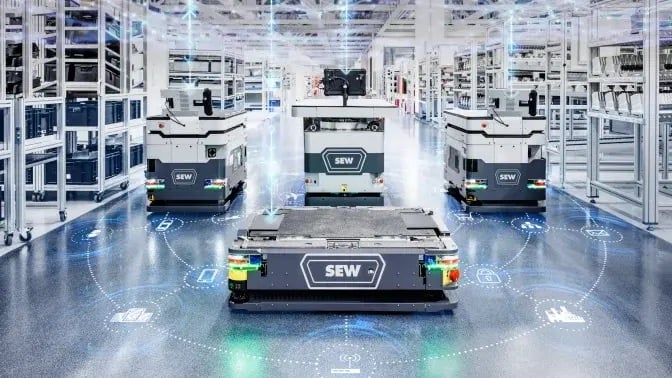
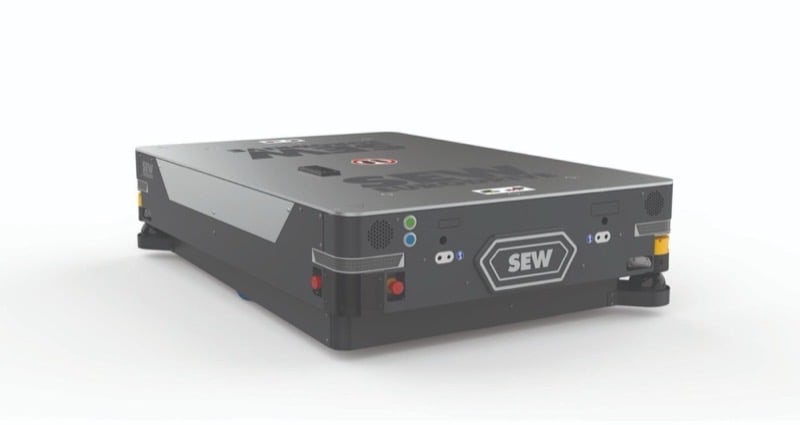
Maxolution combines high load capacity, EtherCAT integration, and wireless charging capabilities in its MR P1600 model, developed for the industrial automation sector. With a carrying capacity of up to 1600 kg, this mobile robot enhances flexibility in scalable intralogistics solutions.
### Maxolution MR P1600 Features
- Maximum load capacity: 1600 kg
- Maximum speed: 1.6 m/s
- Positioning accuracy: ±4 mm
- Integrated EtherCAT and FSoE safety protocol support
- Wired safe I/O option
- WLAN and VDA 5050 supported fleet management software
- Compatibility with wireless, inductive Movitrans charging station
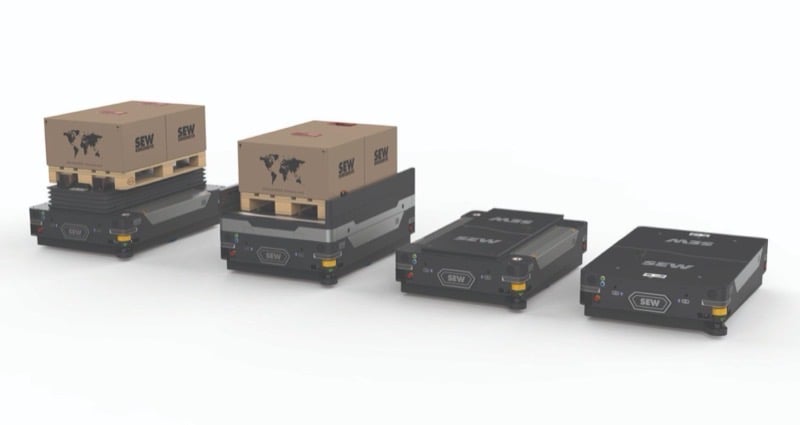
- Adaptability to different applications with modular load handling options
Developed for transporting pallets or similar loads in manufacturing and logistics sectors, the MR P1600 offers fast charging and easy integration advantages. The robot can position itself at charging and docking stations with an accuracy of ±4 mm. With EtherCAT, an Ethernet-based communication protocol, and FSoE, a functional safety protocol, it boasts a secure and easily integrated system structure.
The Movitrans wireless charging station allows the robot to charge quickly without physical contact with the station. Energy is transmitted inductively through an air gap, minimizing faults caused by alignment errors in the charging position. Furthermore, this charging method eliminates locking mechanisms or contact points that need cleaning.
### Scalability and Modularity
The MR P1600 reduces integration difficulties during system expansion processes by using a standard platform. Thanks to modular load handling options, it allows the robot to be adapted for different applications with minimal changes to its existing hardware. This enables businesses to start with a small fleet and increase capacity over time.
Mobile robots are still becoming more widespread in logistics and manufacturing processes. The MR P1600 and the wireless Movitrans charging station minimize charging and scaling problems while increasing operational efficiency with solutions such as standardization, fleet management, and modularity. This approach demonstrates that mobile robots play a critical role in modern industrial operations.