







- Thread Author
- #1
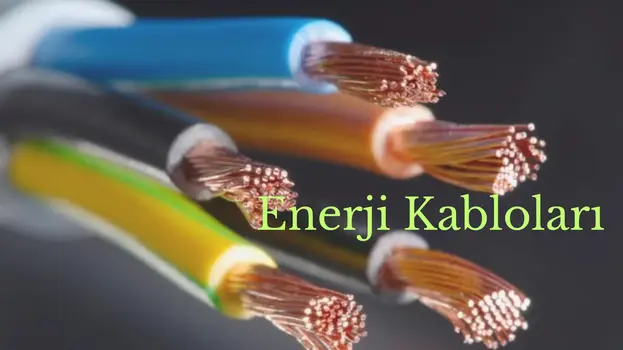
Energy cables are critically important products that ensure the reliable and efficient transmission of electrical energy. The correct cable selection for energy transmission, paying attention to color codes for compliance with standards, is suitable for system safety and long-term use.
Operating with color codes globally and in our country helps ensure consistency in cable usage. This way, even years later, there will be no problems with fault detection or system renewal.
Types of Energy Cables
Energy cable types are categorized globally according to voltage and insulation type.
Energy Cables by Voltage Level;
- Low voltage – 0.6/1kV – typically used for indoor distribution lines
- Medium voltage – 6/36kV – used for feeding industrial and grid lines
- High Voltage – 36 kV and above – used in energy transmission lines
Energy Cables by Insulation Type;
- PVC: economical cables with high chemical resistance
- XLPE: Provide high temperature and high current capacity
- EPR: used in flexible and high-vibration environments
How are Energy Cables Installed?
Necessary examinations and calculations must be made in the area where the cable will be installed. First, the voltage must be determined to identify the current that will pass through. This will also reveal the cross-section to be used. Afterwards, the application route should be planned, and it should be checked whether there are mechanical impacts, moisture, or different factors. In this way, the risk of damage will decrease, and long-term use will be possible.
If underground installation is to be done, installation inside a protective conduit is recommended. The healthiest system should start with installation at a depth of 60 – 80 cm, with a warning tape placed over it. This will provide a precaution for excavation and similar operations.
In industrial facilities, cable trays and duct systems are the most preferred and healthy systems. During area transitions and routing operations, minimum bending radius values must be observed.
Splicing or termination operations must be performed meticulously, and heat-shrinkable accessories, lugs, or joint sleeves should be preferred.
After installation, an insulation test (megger test) and phase sequence check must be performed to check for leaks. Power should not be supplied until all checks are completed.
Energy Cable Colors and Features
Explanations of cable core colors according to TS HD 308 S2 standards;
- Brown – black – gray: Used as phase color
- Light blue – Neutral conductor
- Yellow/Green – Grounding
- Red – Orange – Purple: used for special circuits.
Some energy cable manufacturers operating in our country include Türk Prysmian Kablo, Nexans Türkiye, HES Kablo, Öznur Kablo, Emta Kablo, Seval Kablo, Vatan Kablo, and Pamukkale Kablo.
Cable production, which is of great importance to the country's economy, also contributes to foreign exchange earnings by exporting abroad.
Last edited:























