


Cengiz Özemli
Academic
- Thread Author
- #1
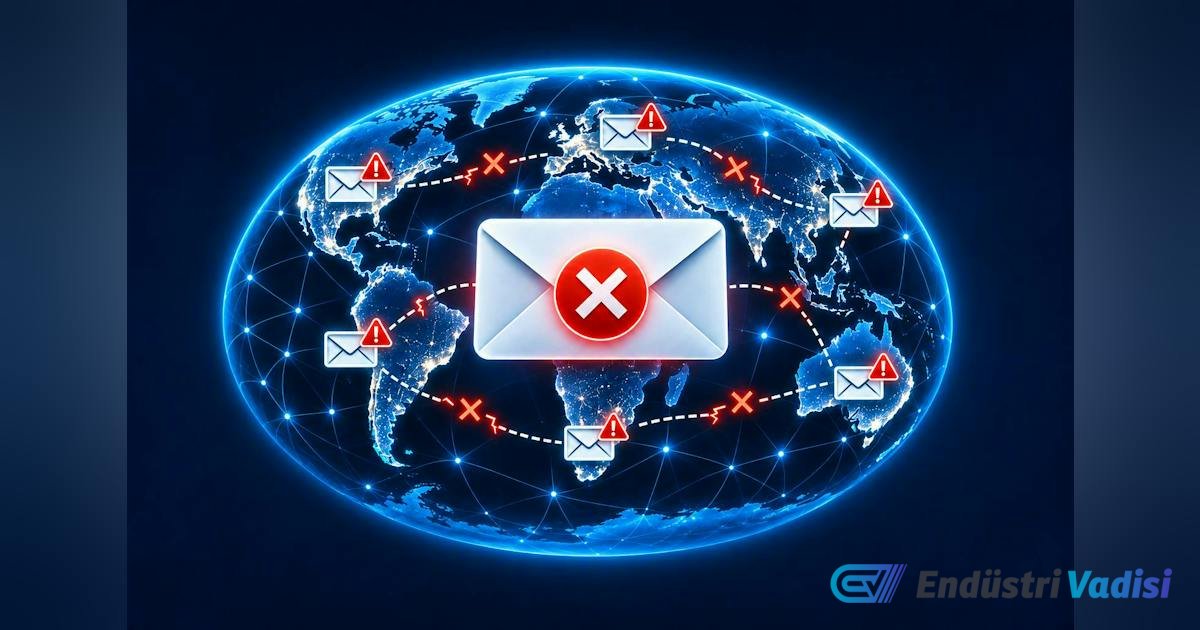
Microsoft's outage on November 12th led to server shutdowns due to a hidden flaw stemming from a prior network capacity upgrade, which overloaded secure connection processes. This incident highlights how cloud dependencies can turn a routine infrastructure failure into a severe operational disruption.
🔍 How Outages Expose Cloud-Dependent Industrial Control Systems (ICS) Vulnerabilities
Technical assessments indicate that latent software or network upgrade flaws can remain hidden until a routine change triggers server shutdowns and overloads remaining capacity. In an ICS environment, cloud-hosted SCADA components or remote monitoring tools could suddenly lose visibility and control over physical equipment when subjected to similar cascading failures.
The caveat here is that when a single cloud provider serves as the connective tissue unifying identity, compliance, security, and workflows, an isolated infrastructure glitch escalates into an enterprise-wide shutdown. A similar situation occurred with Cloudflare in November 2025, sharing an almost identical failure pattern that significantly impacted AWS servers.
⚠️ Cloud-Dependent Security Outages and Threat Actors
When a cloud-dependent security outage of this scale occurs, tools like MS Defender XDR experience service degradation. This provides threat actors with an opportunity to exploit outages through targeted phishing and social engineering campaigns.
🔐 Decoupling Identity and Access Management (IAM)
- Deploying local, on-premise authentication servers and cached credentials at the plant level enables operators and automated controllers to authenticate locally without reaching the cloud identity provider during an outage.
- It is critical to avoid reliance on cloud-based security tools for threat detection and to train plant operators and IT personnel to recognize outage-themed social engineering and vendor impersonation scams. Establish strict verification protocols before accepting urgent patches or configuration changes during a widespread provider outage.
🛡️ Strengthening Cybersecurity
Isolate industrial control networks from enterprise IT and external cloud environments using firewalls, unidirectional security gateways (data diodes), and DMZs. Ensure that cloud outages in corporate email or collaboration suites do not infiltrate plant floor control loops.
⚙️ Implementing Local Fail-Safe Mechanisms
- It is important to keep real-time (RT) control loops on-premise. Never place time-critical closed-loop control, motion control, or safety instrumented systems (SIS) in the cloud.
- Designing deterministic "Fail-Safe" and "Fail-Operate" states is also crucial. If cloud health degrades or supervisory commands time out, program local controllers to automatically transition equipment to a predetermined safe state (such as controlled shutdown, valve closure, or pressure relief) or an autonomous steady-state mode.
💪 Building Operational Resilience
- Eliminating single-vendor concentration is extremely important. Audit dependencies across cloud, telecom, and software vendors to identify single points of failure.
- Utilize multi-path network connectivity (such as diverse fiber routes paired with cellular or satellite backup) and maintain out-of-band communication channels for plant personnel.
- Establish manual overrides and analog backups operated via local human-machine interfaces (HMIs) or physical control panels. Keep up-to-date, offline hard copies of standard operating procedures (SOPs) and emergency shutdown checklists.
- Additionally, conduct regular "cloud disconnect" chaos testing by performing tabletop exercises and controlled live drills that simulate a complete, multi-hour loss of cloud connectivity.