








Semih Asil
Industry Valley
- Thread Author
- #1

🏭 AI Transformation in Manufacturing Facilities
In today's manufacturing world, there's immense pressure to constantly update facilities to current standards and increase production capacities. So, how can older industrial facilities be integrated with the latest AI systems?
🛠️ Hardware Replacement and the Experience Gap
Bringing together 30-year-old machines with modern AI systems is challenging due to a significant reality in the industry: the engineers who built and understood older medium-voltage power systems are retiring, creating a substantial experience gap on the factory floor.
Replacing any part of the machinery leads to production downtime, which creates a domino effect of delayed customer orders. Therefore, being able to physically refurbish old motor control centers (MCCs) without having to dismantle the entire production line is crucial. By using smart variable frequency drives (VFDs), you can anticipate when maintenance will be needed, allowing for proactive rather than reactive decisions.
obsolescence Facing Legacy Assets
Many facilities across the country rely on outdated electrical equipment and motor control systems built in the last century. Die changes, motor upgrades, or complete replacements can be costly. Transitioning to smart automation can help avoid extensive machine overhauls that halt production.
🎯 Targeted Refurbishment
Equipment upgrades don't have to be a black-and-white process. In fact, comprehensive overhauls cause significant drops in production. Targeting specific motor control systems that need to be updated to smart alternatives helps maintain your production while making forward-thinking choices that your company will benefit from in the long run.
🔄 Reconfiguring Your MCCs
A significant issue that arises when working with older equipment is ensuring that the legacy infrastructure can handle new smart technology and that there are no issues with suppliers. A practical technical approach focuses on "mixed-brand" engineering; that is, building or refurbishing motor control centers (MCCs) using multi-vendor components to upgrade critical drives while retaining working parts.
🔒 Data Pipeline and Cybersecurity
Embedded IIoT capabilities in modern VFDs allow operators to extract and publish drive data in real-time to the machine. This keeps plant floor systems online while ensuring they are isolated from the general public on the internet.
📈 Maximizing Use Cases
Once physical VFDs are deployed on-site, accessing the machine's internal data through integrated IoT functionality allows you to extract and publish critical information from the device's drive. This information can include:
- Motor behaviors
- Load capacity
- Performance and quality control
📊 Distributing Critical Data
All stored information is now accessible in real-time, creating a seamless data flow that can be utilized across your facility. To achieve this, you will need physical network infrastructure:
- Fiber optics
- Copper cables
- Wireless systems
Since most facilities and physical locations already have this installed, you can leverage existing systems.
🛡️ Securing the Data Path
With so much information available, a significant cybersecurity risk naturally arises. Therefore, maintaining isolation from the general public on the internet is critical. Separate your plant floor operations and corporate office activities, and extract data securely by following this tip:
Route all data through a private VPN so it can be traced and issues can be quickly diagnosed.
This aligns with critical infrastructure guidelines for proper data management.
🌉 Software Bridge
🗺️ Mapping the Layers
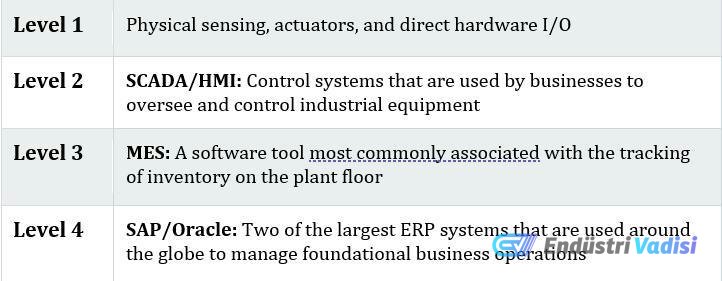
There are levels in analytical systems, and they all have a role. A software bridge helps move data from the foundational level to the top level, essentially acting as a translator between each movement. This prevents skipping levels and ensures information flows smoothly, so it hasn't undergone a dramatic transformation by the time it reaches the top level where AI models reside.
⚙️ Data Collection at the Edge
Modern level 2 SCADA platforms (like Ignition) can reach VFDs and collect information in two different ways:
- Using native drivers to query data
- Publishing only when there is a tangible change in data
Thus, it is now possible for these platforms to be physically placed inside the MCCs on-site and collect data locally before passing it to higher levels for processing. Programs like Ignition also have historical records, which can be useful when looking back at data for statistical significance and when operating within the software bridge.
🧠 Where AI Takes the Lead
SCADA platforms work fluidly within the bridge, transferring data to the next level in easily understandable summaries. Once information is ready to be accessed by larger ERP systems, it can quickly process all vital business operations:
- Production approval
- Bill of materials
- Downtime to uptime ratio
- Maintenance requirements
An example of this is a recurring VFD overcurrent pattern automatically initiating a maintenance notification in the ERP system. This is where the full potential of integration truly shows.
🚀 Bridging the Gap
Together, these three integration phases demonstrate how it's possible to transform an older production line into a foundation for state-of-the-art AI systems without halting production.






















