Elif Özaksu
Corporate
- Thread Author
- #1
🔌 Using Physical AI in Critical Energy Infrastructure
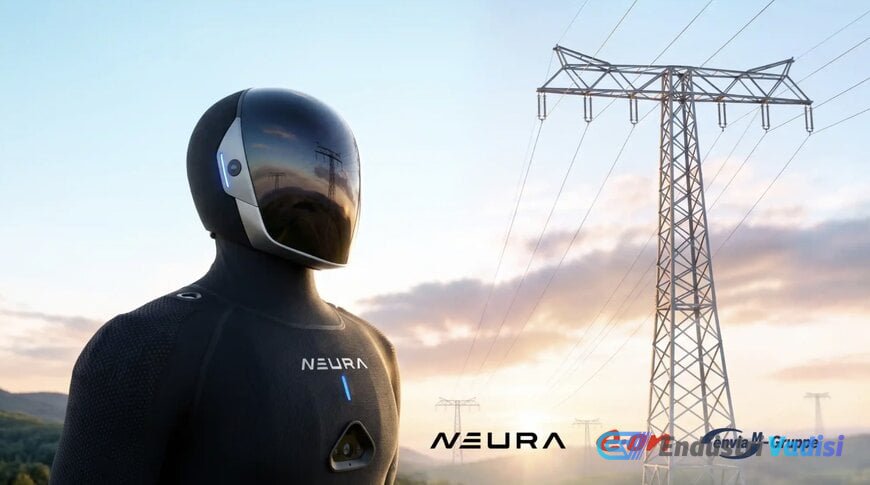
NEURA Robotics, E.ON, and enviaM have formed a strategic partnership to develop and implement Physical Artificial Intelligence (AI) in high-voltage energy infrastructure. This collaboration combines NEURA's open platform architecture with the operational frameworks of energy companies, targeting areas such as automated site safety, asset inspection, and hazardous substation maintenance within distribution networks.
⚠️ Operational Challenges and Hazardous Workflows in Grid Facilities
Electrical substations and distribution facilities require continuous monitoring, mechanical inspections, and immediate maintenance. However, working near high-voltage switchgear, busbars, and pressurized transformers exposes field technicians to risks of electric shock, arc flash, and environmental safety hazards. While the human-centric designs of existing facilities (steep ladders, narrow passages) hinder the use of traditional automated systems, cognitive, humanoid robot platforms can directly address these access and safety barriers without requiring structural modifications to current facility layouts.
🧠 Physical AI Architecture and Skill Acquisition Models
The technical framework utilizes NEURA's Neuraverse open software ecosystem alongside Neuron AI, a multimodal foundation model designed for physical intelligence. This architecture integrates three-dimensional vision, haptic feedback, acoustic monitoring, the robot's intrinsic proprioceptive states, and natural language interfaces into a central operational memory. By processing multisensory inputs, inspection robots can capture acoustic frequency anomalies in humming transformers and mechanical tactile resistance in physical switches, detecting impending component failures in addition to optical assessments.
Robotic capability development is achieved through a three-stage training methodology within NEURA Gym:
- Human teleoperation and motion capture: Captures field workflows from technicians using sensorized suits.
- Direct real-world application: Records physical contact dynamics, motion profiles, and procedural outcomes.
- Physics-based synthetic simulation: Augments training datasets by simulating various weather conditions, lighting, and structural anomalies.
🧪 Validation Infrastructure and Pilot Implementation
Skill engineering will be conducted at the 2,300-square-meter TUM RoboGym (powered by NEURA) located at LabCampus, Munich Airport. In this controlled environment, interdisciplinary engineering teams from E.ON, enviaM, and NEURA will design and validate automated task sequences.
Following initial bench and simulation tests, field qualification will shift to MITNETZ STROM, enviaM's distribution network operating subsidiary, for live pilot tests. Primary operational use cases will evaluate autonomous field patrols, visual and thermal transformer inspections, substation perimeter monitoring, and manipulation tasks performed by NEURA's bipedal humanoid platforms such as the 4NE1. The Neuraverse platform streamlines fleet lifecycle management, allowing tested procedures to be deployed as standardized, encapsulated application skills across different grid substations while preserving E.ON and enviaM's direct data sovereignty.
🛡️ Infrastructure Resilience and Workforce Protection
The deployment of Physical AI in live distribution networks protects humans from exposure to high-voltage hazards, prevents maintenance backlogs under adverse working conditions, and reduces the costs of manual inspections. Combining multimodal foundation models with agile humanoid mobility offers a scalable path to securing critical energy infrastructure, optimizing asset reliability, and automating complex physical workflows in decentralized power distribution networks.