






Semih Asil
Industry Valley
- Thread Author
- #1
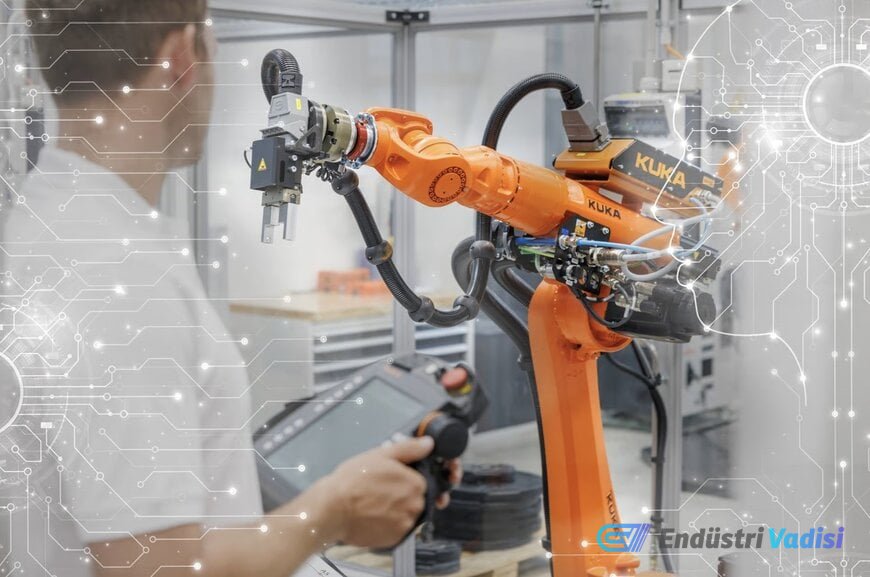
KUKA Group and KOMSA GmbH have formed a strategic partnership to expand the distribution, deployment, and integration of autonomous mobile robots in Germany.
This collaboration aims to facilitate access to mobile robotics and automation solutions, particularly for small and medium-sized enterprises (SMEs).
Barriers to Intralogistics Automation
SMEs face challenges such as labor shortages, rising operating costs, and demands for production flexibility. While autonomous mobile transport systems offer flexibility, smaller facilities often lack the necessary robotics engineering expertise to integrate and maintain complex multi-robot fleets. To overcome these barriers, KUKA and KOMSA are combining industrial-grade mobile robots with a well-established technical distribution and channel enablement network.
System Architecture and Distribution Framework
The commercial model pairs KUKA Group's mobile robotics systems with KOMSA's indirect distribution network of information technology resellers and automation system integrators. KUKA provides the autonomous mobile robot platforms, hardware kinematics, fleet management software interfaces, and automation engineering expertise. KOMSA, in turn, offers its technical distribution channels, reseller enablement programs, and regional after-sales integration resources.
To ensure application quality, KOMSA serves as a dedicated Competence Center for KUKA mobile robotics. This infrastructure includes a structured certification curriculum and training programs that guide system integrators through site surveys, mechanical integration, industrial communication, and functional safety commissioning.
Phased Implementation and Distribution Scope
Initial implementation phases focus on high-turnover material transfer, in-plant transport, and parts replenishment in logistics centers and on production floors. System integrators provide end-to-end implementation support, covering physical floor plan mapping, obstacle avoidance boundary definitions, and customer acceptance testing. Multiple pilot deployments are currently underway to validate fleet efficiency, fleet coordination protocols, and cycle times.
Operational Impact and Fleet Scalability
By offering industrial mobile robots within a certified channel partner framework, this initiative standardizes deployment cycles and eliminates technical integration risks for facilities with limited automation experience. The coordinated engineering model enables SMEs to safely introduce autonomous logistics, maintain stable intralogistics efficiency, and dynamically scale robot fleet sizes according to changing operational requirements.