








Cengiz Özemli
Academic
- Thread Author
- #1
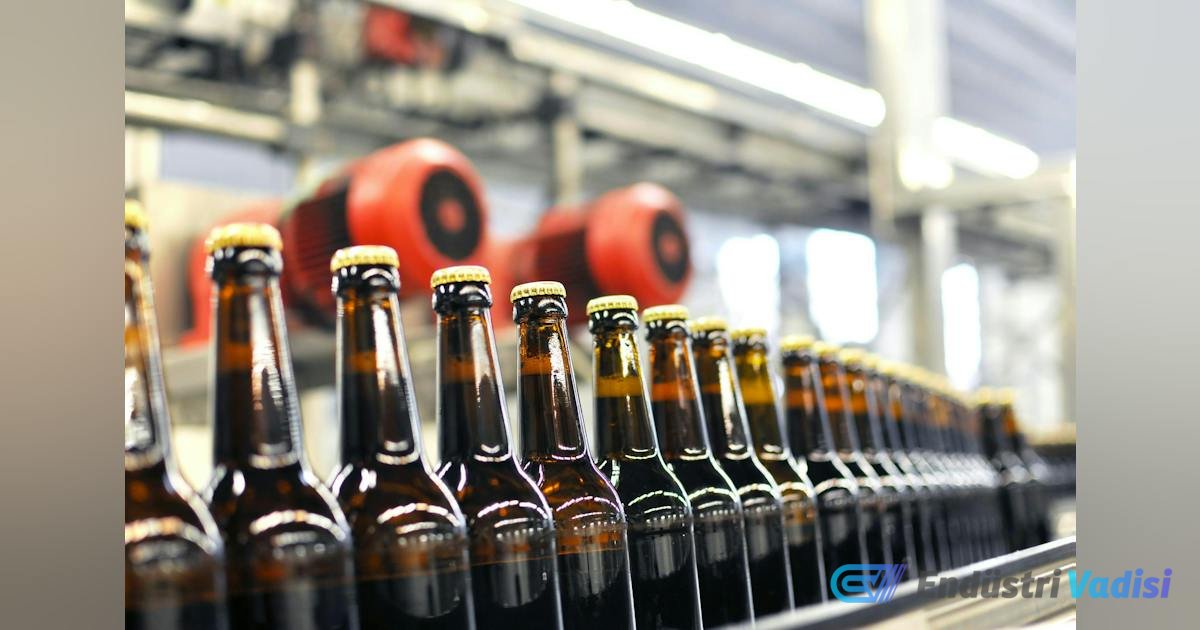
🏭 AI and the Factory Floor: The Connectivity and Security Dilemma
While Artificial Intelligence (AI) offers new opportunities on the factory floor, it also brings data security vulnerabilities against cyberattacks. Especially in the food and beverage sector, where food safety and quality can never be compromised, AI security has become more critical than ever.
🚨 The Devastating Effects of Cyber Breaches
Cyber breaches not only lead to costs of millions of dollars but also damage brand image and stakeholder trust. As Scott Alldridge, Board Advisor for the Food Industry Cybersecurity Association, states: "If a malicious actor or an unintentional change alters these systems, food safety is compromised even if no data is stolen." As AI integration accelerates, robust cybersecurity initiatives must be implemented to secure systems, protect production, and ensure the smooth continuation of operations.
💡 Mitigating Cyber Risk in the Smart Factory Era
Today's food and beverage manufacturing facilities are more complex than ever. Legacy systems are not sophisticated enough to combat modern hackers. Food and beverage companies are increasingly using AI, from drones employing image recognition to advanced technologies that digitally reformulate product ingredients without compromising flavor. This brings new opportunities as well as new risks. The introduction of AI tools makes manufacturing companies more dispersed and introduces a range of new threats.
🔒 Securing Sensitive Data
Food and beverage production data is extremely sensitive; it includes trade secrets, detailed production information, and large amounts of consumer data. A critical concern when implementing AI technologies is whether production data is shared with external AI providers. Proper AI governance is indispensable for food and beverage companies.
- Customer data should not be used to train AI models.
- All inputs, outputs, and embedded data must remain within a secure infrastructure.
- It must be operated, monitored, and audited by the SaaS provider.
✅ Security and Accuracy of AI Outputs
The security and accuracy of AI outputs in food and beverage production are vital. Errors can lead to real-world dangers. Manufacturers must ensure that AI responses are verified for security and accuracy.
- Human-in-the-Loop (HITL) Verification: Review and approval by human experts for the most critical outputs.
- Content Filtering on Input: Blocking unsafe inputs before they reach the model.
- Secure Request and Response Processing: Processing all AI interactions in a secure, customer-specific environment.
- Retrieval Augmented Generation (RAG): Basing every AI response on verified, customer-specific source content.
- Bias, Profanity, and Scope Drift Prevention: Output screening mechanisms that check for inappropriate or biased language.
- Multilingual and Cultural Safety: Automatically matching the response language to the input.
- Regular Adversarial Testing of AI: Regular tests to evaluate and improve prompt injection protections.
🤝 A Proven Foundation for Secure Data Integrity
While AI governance is a shared burden between the customer and the SaaS provider, manufacturers in high-risk environments like food and beverage production expect more than just robust features. They demand secure, compliant, and reliable AI. This responsibility begins with a demonstrable foundation of security and data integrity, verified through rigorous, independent audits and adherence to industry best practices.
By proactively putting ethical controls and robust governance in place, SaaS providers transform a product from a simple tool into a trusted, strategic asset. In doing so, they not only reduce their customers' legal and reputational risks but also build the necessary trust to ensure secure, sustainable adoption and long-term operational excellence.
🌱 Protecting Production and the Plant with Managed AI
As AI optimizes factory floor applications, manufacturers must reduce the surface area opened for data breach vulnerabilities. Smarter technology requires reinforced AI front-line security. Industrial AI for connected work provides connectivity beyond work instructions but delivers compliant cybersecurity standards that protect sensitive operational data. Ultimately, managed AI provides the needed safety net.




















