




Elif Özaksu
Corporate
- Thread Author
- #1
🚀 A New Perspective on Industrial Robots with Decentralized Motion Control
Murrelektronik and Danfoss have integrated decentralized motion control into a robotic platform to reduce wiring complexity and minimize control cabinet space in industrial robotic automation. This innovative approach offers a solution to the limitations imposed by traditional centralized systems.
⚙️ Limitations of Traditional Systems and the New Solution
Traditional robotic systems house robot controllers and servo drives in the control cabinet. This requires separate power and feedback connections for each motor, leading to intensive wiring, high installation effort, and a need for large cabinet space. To overcome these constraints, Murrelektronik aimed to bring decentralized automation principles into the robotics field, creating a practical reference for future machine designs.
🤝 Integrated Motion Control: Collaboration Between Murrelektronik, Danfoss, and Autonox Robotics
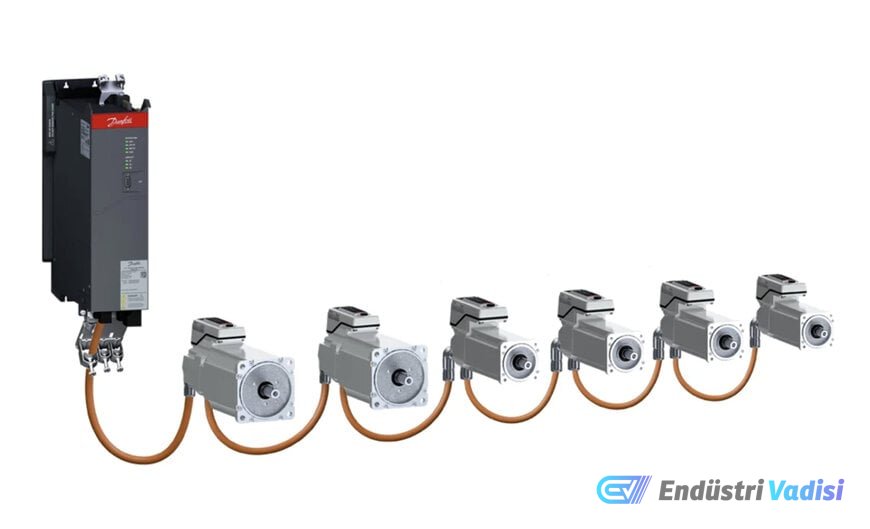
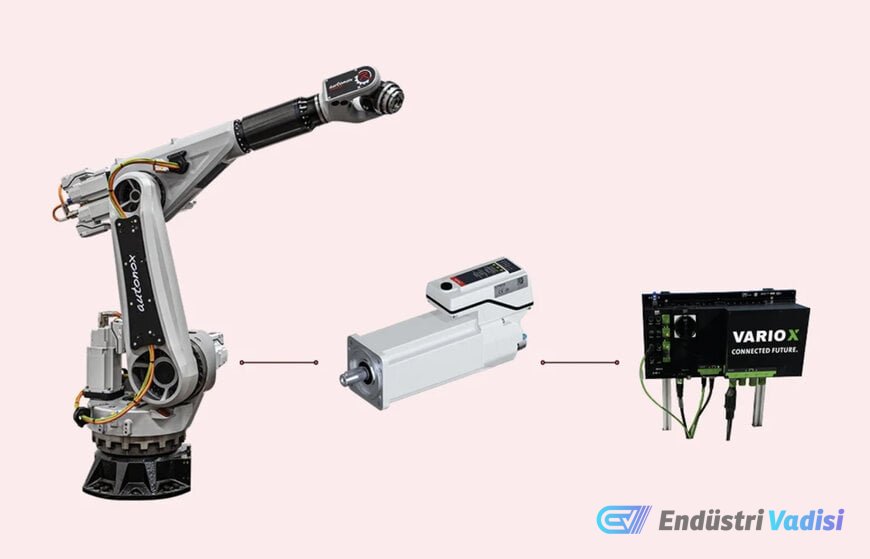
Murrelektronik, in collaboration with Danfoss and autonox Robotics, conducted an application test on a 6-axis industrial robot designed for applications such as material handling, assembly, dispensing, and welding. The project utilized a decentralized motion platform that combines servo drives and motors into a single compact unit. By mounting these integrated servo drives directly onto the robot arm, the need for traditional cabinet-based servo installations was eliminated. A single power supply module, with an integrated decentralized access option card, powered all decentralized drives via daisy-chain wiring. This architecture brought control, power distribution, and I/O interfaces closer to the machine level.
🛡️ Safety and Precision at the Forefront
The engineering team required a platform that offered high-precision dynamic motion control, functional safety, and open communication protocols. Advanced safe motion functions beyond basic safe torque off were necessary to ensure operator safety without compromising machine efficiency. Marco Bosch, Head of Global Solution Engineering at Murrelektronik, stated, "We evaluated the market for a decentralized servo solution, and it perfectly fit our integrated drive concept." The chosen platform uses silicon carbide modules for optimized thermal efficiency and supports multiple industrial communication protocols, facilitating seamless integration into existing programmable logic controller environments.
📉 Significant Reduction in Wiring and Cabinet Space
After a six-month collaborative engineering process, the resulting architecture provided a scalable, fully functional blueprint for modular machine designs. Mounting the servo drives directly into the robot structure completely eliminated cabinet servo drives, reducing control cabinet space by 60%. Furthermore, the implementation of daisy-chain wiring reduced total cable length by up to 80%. This reduction lowers overall wiring costs and creates a cleaner, more compact machine structure, offering system integrators and equipment manufacturers a verified method for implementing decentralized motion control in robotic applications.