


Mucitler Elektrik
Corporate
- Thread Author
- #1
💡 Introduction: AI and Industrial Workers
This article by Inderpreet Shoker from ARC Advisory Group discusses the evolution of the next generation of digital workers and the expectations from humans when AI merges with industrial technology. The first article in the series set the stage by explaining what connected worker solutions are and are not. These platforms create value by providing the right instructions, context, and support at the right time.
🚀 Contributions of Artificial Intelligence
Connected worker solutions already help standardize procedures, capture task data, and connect workers to experts. AI can enhance these capabilities by interpreting operational context and helping workers make better decisions faster. It can also address urgent workforce issues such as retaining experienced knowledge and bringing new hires up to speed more quickly.
📊 Expectations of Industrial Users
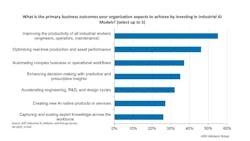
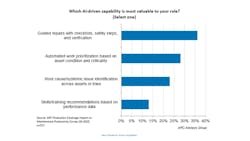
According to ARC's Q4 2025 survey, guided repairs with checklists, safety steps, and verification were identified by participants as the most valuable AI-powered capability. This indicates that industrial users are not just looking for AI dashboards, but for AI that ensures work is done correctly, safely, and consistently.
🛠️ Example of an AI-Powered Workflow
Consider a maintenance technician responding to a recurring pump vibration alarm. In an AI-powered environment, the platform could summarize recent alarms, compare symptoms to previous failures, retrieve the relevant lockout/tagout procedure, identify the correct inspection checklist, flag spare parts availability, and suggest potential next diagnostic steps. This significantly reduces time spent searching for context.
🧠 Contextual Intelligence Layer
The most useful AI layer is not a generic chatbot appended to a work instruction system. It is a contextual intelligence layer tied to assets, procedures, work orders, training records, and operational events. Without this context, AI can provide fluent but superficial answers. With this context, AI can transform connected worker software from a documentation tool into a practical decision support environment for operations, maintenance, quality, and safety teams.
📈 Practical AI Use Cases
ARC Advisory Group's digital worker research highlights that the most reliable AI use cases in connected worker solutions augment human work rather than bypass it. Practical examples include:
- Information Search and Synthesis: AI can search across SOPs, manuals, training content, engineering documents, asset histories, and troubleshooting guides to answer frontline questions in natural language.
- Equipment History Summaries: AI can summarize work orders, alarms, inspection findings, condition monitoring data, and previous corrective actions.
- Procedure and Checklist Assistance: AI can help identify the correct procedure, clarify unfamiliar steps, and highlight necessary safety or quality checks.
- Exception Documentation: While workers dictate observations, take photos, or enter short notes, AI helps convert this input into structured records for maintenance, quality, or continuous improvement teams.
- Next Best Action Recommendations: AI can suggest potential follow-up steps based on symptoms, previous cases, asset criticality, and established procedures.
- Training and Competency Support: AI can personalize guidance based on worker skill level, past task performance, or certification requirements.
🚧 Gaps Between Expectations and Realities
While references to generative AI, copilots, AI agents, and autonomous workflows are common in the connected worker market, these solutions should not be seen as instant transformation platforms. A chatbot searching a manual is not the same as an AI agent coordinating a work order across an EAM system, spare parts inventory, scheduling application, and quality workflow. The integration, governance requirements, and risk profile are different.
Specifically, the expectation that these solutions can provide a "single source of truth" is unrealistic. Integration remains a major challenge, and many deployments rely on limited connections, bulk data movement, or partial integration with only one or two systems.