



Cengiz Özemli
Academic
- Thread Author
- #1
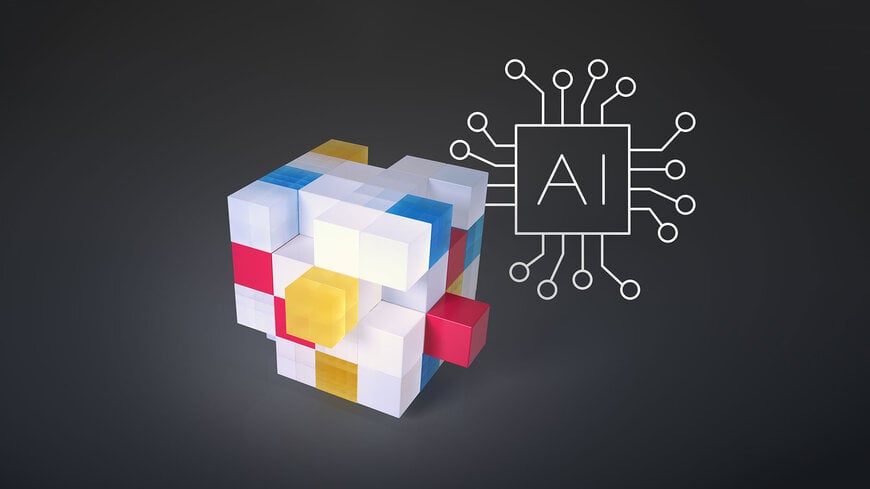
CANoe Is Now AI-Powered!
Vector has enhanced its CANoe development and test environment with artificial intelligence (AI) and Model Context Protocol (MCP) capabilities. Thanks to the integrated MCP Server and CANoe AI Package, introduced with version 20 SP2, engineers will be able to perform complex tasks using natural language commands. This covers a wide range, from creating CAPL tests to analyzing communication flows.
Time-Consuming Tasks Reduced to Minutes ⏱️
Specialized AI agents automatically determine the necessary steps and execute entire workflows, reducing tasks that previously took hours or even days to mere minutes. Users can define the autonomy level of the agents and monitor each step live in the development environment.
Open Ecosystem and Reliable Information 📚
The CANoe AI Package is built on an open ecosystem. While users can utilize their own foundational language models (such as Claude or the LLM behind GitHub Copilot), Vector provides the open AI layer consisting of agents, skills, and MCP tools. Thanks to Vector-RAG (retrieval-augmented generation), these agents leverage the verified knowledge base of Vector documentation. This ensures that the outputs are based on expert knowledge, not model assumptions. This free package enables both new and experienced users to seamlessly orchestrate customized, automated testing processes.
MCP: A New Era in Automotive Software Development 🚗
The Model Context Protocol (MCP) has emerged as a standardized framework that defines how AI agents securely obtain and exchange contextual data. In automotive software engineering, network simulation and validation historically required extensive manual scripting in specialized languages like CAPL. By integrating an MCP server directly into CANoe, Vector bridges the gap between general-purpose Large Language Models (LLMs) and highly specialized automotive simulation environments. This "agent-based" approach allows organizations to securely read proprietary test configurations, compile code, and run interactive simulations using their enterprise-approved LLMs. This significantly accelerates software-defined vehicle development without exposing internal IP to public networks.