





Elif Özaksu
Corporate
- Thread Author
- #1
Specialized Solutions for the Maritime Sector
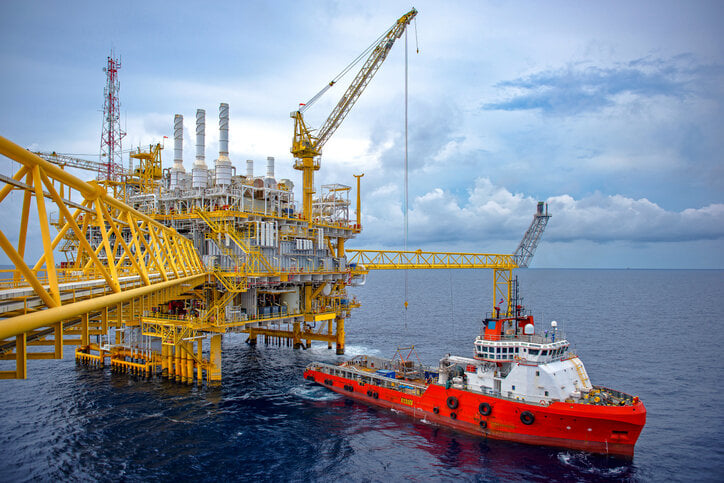
In demanding fields such as marine research, offshore technologies, and the oil and gas industry, it is critical for propulsion systems to be resistant to corrosion and high dynamic loads. Enemac offers stainless steel shaft and safety couplings to meet these needs.
Precise Torque Transmission and Overload Protection
- Stainless Steel Shaft Couplings: These couplings provide precise torque transmission while compensating for unavoidable shaft misalignment errors in marine environments.
- Mechanical Safety Couplings: They protect the drive system from overloads, significantly reducing unplanned downtime and maintenance costs at sea.
Coupling Technologies for Various Applications
- EWC and EWR Metal Bellows Couplings: Ideal for servo axes and positioning systems requiring high precision. The EWR model features split half-shell hubs for easy installation in confined spaces.
- EWJ Elastomer Coupling: Effectively dampens oscillations and shock loads in vibrating applications.
Protection Against Costly Damages
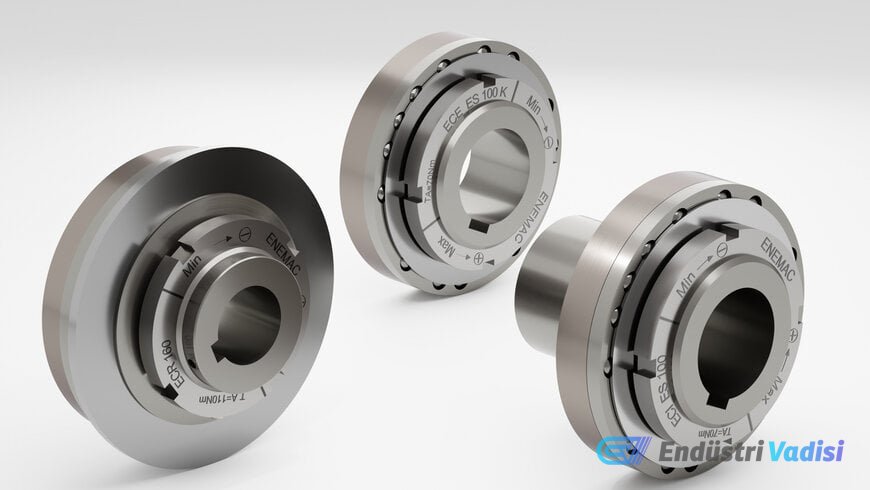
The ECE_ES, ECI_ES, and ECR series safety couplings, made entirely of stainless steel, prevent expensive machine damage that can occur due to jamming. These couplings stand out with their adjustable disengagement torques and automatic re-engagement after a fault is cleared.
Technological Background and Industry Dynamics
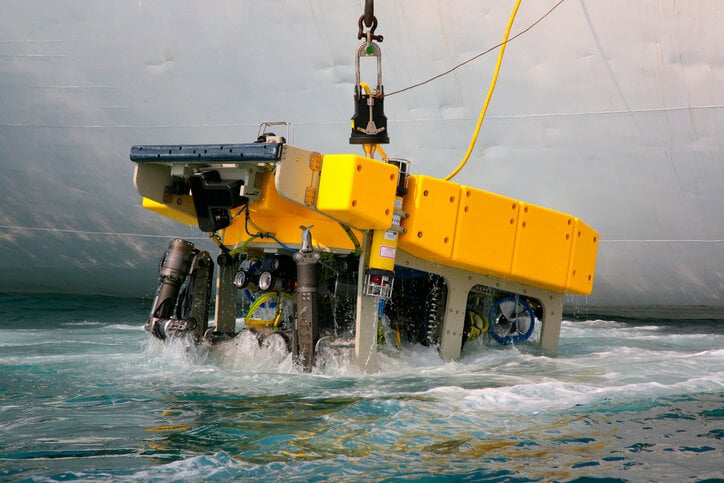
In offshore and underwater applications, the salty atmosphere and continuous water contact challenge material resistance. Traditional drive components are highly susceptible to pitting and galvanic corrosion in these environments, which can lead to rapid mechanical failures. The consistent use of high-alloy stainless steel in mechanical couplings is vital to maximize the lifespan of remotely operated vehicles (ROVs) and automated aquaculture systems. Since offshore maintenance operations are extremely costly and logistically complex, mechanical safety couplings that protect the drive system and automatically re-engage after an overload provide a decisive economic advantage over systems requiring manual intervention or component replacement.