


Cengiz Özemli
Academic
- Thread Author
- #1
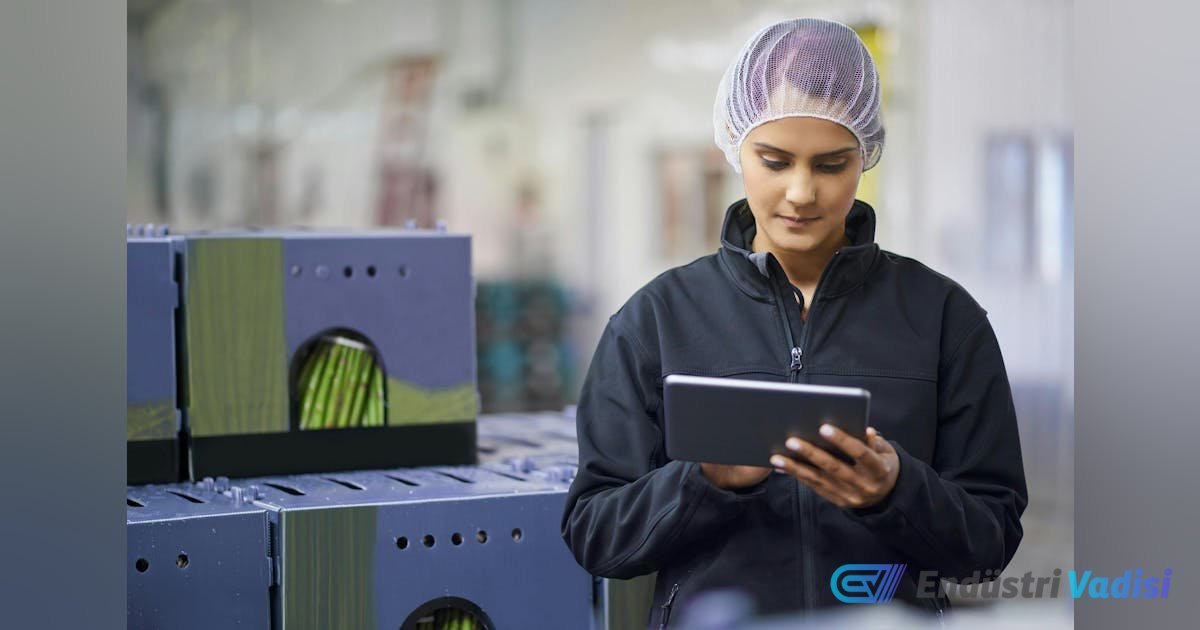
Digital visual management tools play a critical role in increasing the effectiveness of shift meetings, team briefings, and tiered meetings through real-time digital boards. By centralizing all information on a single platform, team leaders, supervisors, department managers, and factory directors are equipped with continuously updated and accurate data. This accelerates communication with the production area, strengthens data-driven decision-making processes, and makes daily management more efficient.
### Seamless Information Flow
On the production floor, operators fill out many digital forms daily, record dozens of issues, and communicate tasks verbally. Tracking updates quickly on traditional physical whiteboards is difficult; this can lead to communication breakdowns, lack of accountability, and safety concerns.
Digital visual management tools offer comprehensive factory-wide overviews, ensuring no information is overlooked. Advanced digital boards include structured sections for task management, open issues, and real-time status tracking. Color-coded priorities and customizable columns reflecting factory priorities guarantee that urgent matters are addressed quickly.
By maintaining historical issue records, they create a rich data pool over time. This reveals frequently recurring bottlenecks, patterns, and systematic improvement opportunities. Instead of reacting when problems arise, preventive actions can be taken through a data-driven, transparent process.
### Bringing Structure and Consistency to Daily Meetings
Daily planning meetings play an important role in setting expectations, raising issues, and aligning team priorities. However, without structure and accurate data, these meetings can be repetitive, vague, and leader-centric.
Digital boards provide supervisors with a unified view of key performance indicators (KPIs) such as safety, quality, delivery, cost, and human factors. Additionally, standard meeting agenda templates and attendance tracking features ensure that meetings are orderly and focused, thereby reducing unnecessary meetings.
### Preventing Information Gaps During Shift Handovers
Shift changes are critical moments in production processes where important information can be lost or incomplete tasks overlooked.
Digital boards quickly make visible what happened in the previous shift during shift changes; successful and unsuccessful processes, as well as issues still requiring attention, are easily tracked. They provide detailed information flow without dealing with handwriting, sticky notes, or verbal statements.
Supervisors, maintenance teams, operators, and managers work with the same data, reducing miscommunication and ensuring decisions are made with consistent information. Every issue is an opportunity to reinforce a culture of continuous improvement within the organization.
### Reducing Time-Consuming Administrative Tasks
In daily management, preparing for meetings and updates often takes a significant amount of time. Supervisors spend a substantial part of their day collecting data from different systems, updating physical boards, or printing reports.
Digital visual management tools eliminate this burden. They present KPI data in real-time and easy-to-use dashboards. Furthermore, information such as overall equipment effectiveness (OEE) and production targets are automatically updated from core systems like MES and ERP and collected on a single platform.
This allows teams to work more effectively and quickly with the data at hand.
### Benefits of Digital Visual Management Tools
- Seamless information flow across the entire factory
- Bringing discipline and clarity to daily meetings
- Reliable information transfer during shift changes
- Reduction in time-consuming administrative tasks
- Retention of issue history and data-driven continuous improvement
With digital visual management tools, efficiency, communication, and team performance in production processes can significantly increase.