

Mucitler Elektrik
Corporate
- Thread Author
- #1
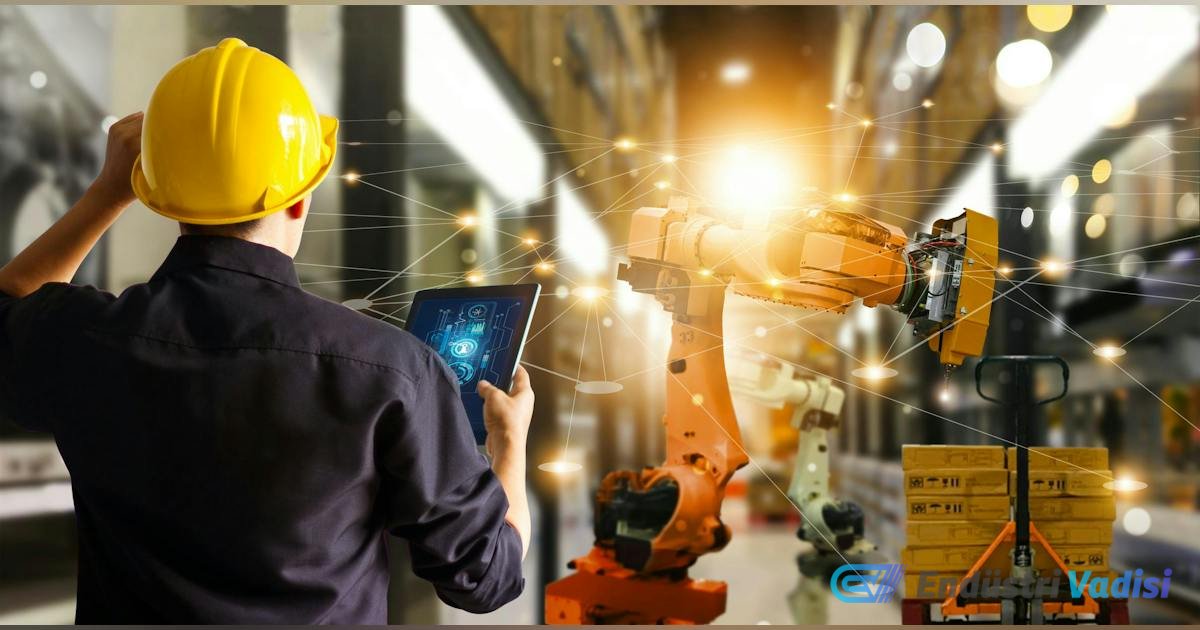
Lately, we've been talking a lot about the future of software and logic processing hardware in our industry. The application of software engineering concepts like software-defined automation, object-oriented programming, and DevOps to industrial automation, virtual PLCs running on IT-managed stacks... All of this suggests that hardware-based solutions will give way to software, and control workflows will resemble the methods used by software teams.
This situation might create the impression that control engineers will either have to become software engineers or become completely redundant. However, core control engineering skills aren't going anywhere; on the contrary, their value is increasing!
🧠 Process Knowledge Comes Before Programming
While modern tools reduce the cost of logic generation, they don't solve the harder part of the job: understanding a complex machine or automated process well enough to decide what that logic needs to do. They don't reduce the cost of making bad decisions about the physical process, which has serious consequences for safety, business operations, and maintenance risk. As writing machine logic speeds up, the bottleneck shifts to engineering judgment.
Every control system represents a physical thing, and the machine behaves as it sees fit, whether a model captures it or not. Functional specifications, simulations, and digital twins help define a machine before it's built or modified, catching major problems early.
But even a good model has its limits and is often iterated upon as custom machines are built. It can't fully capture the behavior of equipment that has been in production for years, full of normal wear and tear, changing materials, and the small workarounds people have developed to keep the job running.
This gap is where a large part of control engineering lives; it's filled by experience and a personal Swiss Army knife full of mechanical, electrical, software, and IT/networking knowledge. An engineer who has spent time with the equipment firsthand knows when a recurring fault points to a mechanical issue rather than a software one, and which adjustments will keep a line running versus which will create a bigger problem downstream.
Operators and maintenance teams also hold much of this knowledge, and incorporating their voices into automation upgrades or redesigns is a critical part of the job. A control engineer can translate that experience into better sequencing, more useful diagnostics, recovery behaviors that work, and human-machine interaction that is understandable by operators from diverse backgrounds.
⚙️ Logic Written to Physical Constraints
The difference between compiled PLC logic and logic that runs safely and efficiently almost always comes down to constraints from the equipment and its interaction with the process, environment, or other systems. These details drive sequencing, interlocks, alarm management, and the machine software architecture itself—all fundamental control engineering skills.
Even if machine logic is well-written, it can be wrong for the machine if it doesn't account for what can actually happen in the physical system, including unexpected or intermittent conditions that can cause significant downtime or product loss costing thousands of dollars. Normal operation is relatively easy to specify and generate code for.
Addressing everything around that is the difference between automation that operations teams rely on and automation they want to rip out because they can never trust it to run without constant support calls.
It's a fair question to ask if a computer can learn this, and on a long enough horizon, this might be an evolution of capability we see. But learning a process requires examples, and the conditions we need to handle correctly are, by definition, the ones with the fewest examples.
There are very few generic code examples for a new machine or a process built around a manufacturer's internal know-how. For now, someone still has to decide how the equipment should behave in situations it has never been in before.
🤝 Systems Thinking and Good Communication Are Lasting Skills
What ties all of this together is the ability to think at a system level and communicate your findings. Control engineers hold the process, equipment, logic, timing, operators, and failure modes in their minds simultaneously and understand how a change in one affects the others. Getting useful feedback from an operator who has run a piece of equipment for a decade or quickly adapting to an unfamiliar process is as much a part of the job as the logic itself.
A weekend renovation with two technicians requires clear scopes and good communication. It also requires someone to review the work, validate what was installed, and see how the equipment behaves once it starts running. Managing a controls group at a plant is the same core job on a larger scale. Instructing an AI agent to generate logic is not so different.
You still have to give it enough context to do something useful, review what it generates, and decide if the outcome makes sense for the machine. The tool changes who writes it, but not who needs to understand the machine.