






- Thread Author
- #1
Power supply cables are fundamental transmission elements that ensure the safe, efficient, and uninterrupted transfer of electrical energy from production points to consumption areas. Typically made from copper or aluminum conductors with high conductivity, these cables are covered with insulation layers and outer sheath materials to protect them from external factors.
Designed for different voltage levels depending on their intended use and operating conditions, power cables are manufactured to exhibit long-lasting and reliable performance in both indoor and outdoor environments. With a wide range of applications, from industrial facilities to residential projects, and from electricity distribution lines to power plants, these cables are an indispensable part of modern energy infrastructure.
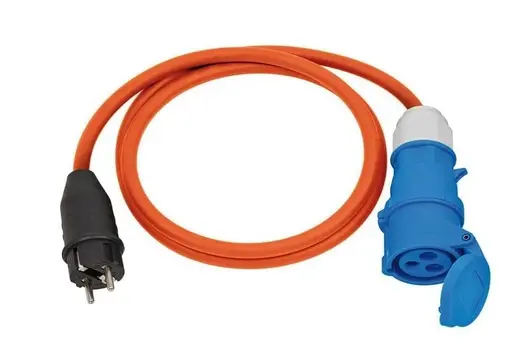
Power cables are categorized based on the voltage level they transmit, their insulation materials, and their operating conditions. Low-voltage cables are used in indoor installations, lighting systems, and small-scale industrial applications. Medium-voltage cables are preferred in areas requiring higher power, such as city grids, energy distribution systems, and industrial facilities.
High-voltage cables are critically important for power transmission from power plants to city grids. Additionally, armored cables are used to provide resistance against mechanical impacts and environmental effects, while halogen-free and flame-retardant cables are employed in areas where fire safety is a priority.
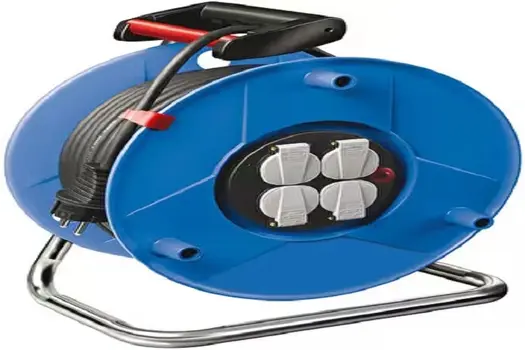
High-voltage cables are used in energy production facilities to transfer generated electricity to transmission lines, distribute it to city grids, and minimize losses over long distances. In transportation and infrastructure projects, cables resistant to harsh environmental conditions and fire risks play a critical role.
Designed for different voltage levels depending on their intended use and operating conditions, power cables are manufactured to exhibit long-lasting and reliable performance in both indoor and outdoor environments. With a wide range of applications, from industrial facilities to residential projects, and from electricity distribution lines to power plants, these cables are an indispensable part of modern energy infrastructure.
Applications of Power Supply Cables
Power cables are categorized based on the voltage level they transmit, their insulation materials, and their operating conditions. Low-voltage cables are used in indoor installations, lighting systems, and small-scale industrial applications. Medium-voltage cables are preferred in areas requiring higher power, such as city grids, energy distribution systems, and industrial facilities.
High-voltage cables are critically important for power transmission from power plants to city grids. Additionally, armored cables are used to provide resistance against mechanical impacts and environmental effects, while halogen-free and flame-retardant cables are employed in areas where fire safety is a priority.
Where Are Power Supply Cables Used?
The application areas for power cables are quite extensive, and specialized solutions have been developed for the needs of each sector. While low-voltage cables are used to meet energy demands in residential and commercial buildings, medium or high-voltage cables are preferred for machines, motors, and control systems in heavy industrial facilities.High-voltage cables are used in energy production facilities to transfer generated electricity to transmission lines, distribute it to city grids, and minimize losses over long distances. In transportation and infrastructure projects, cables resistant to harsh environmental conditions and fire risks play a critical role.