







- Thread Author
- #1
Power cables are fundamental infrastructure elements that ensure the safe, continuous, and efficient transmission of electrical energy from generation points to consumption areas. Critical for the sustainability of modern life, cables are used in a wide range of applications, from residential buildings to industrial facilities, and from infrastructure projects to large-scale power plants.
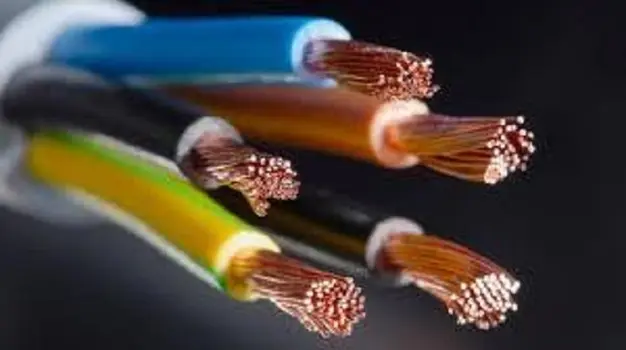
Structurally, power cables are made of copper or aluminum conductors and are supported by insulation and sheath materials that protect them against external factors while transmitting electrical current. Designed with safety, durability, and longevity in mind for power transmission, these cables are produced in various types according to different voltage levels, environmental conditions, and application areas.
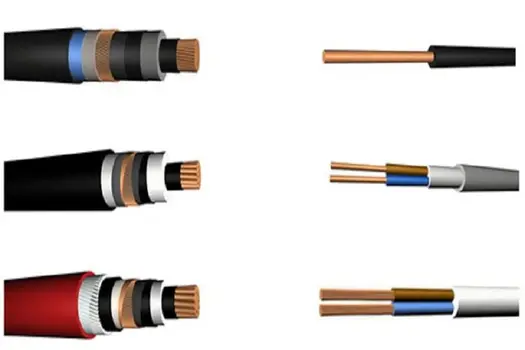
Medium voltage cables operate in power transmission and distribution systems between 1 kV and 36 kV; city grids, industrial facilities, and infrastructure projects are the primary application areas for this category. High voltage cables, operating at 36 kV and above, are preferred for power transmission from power plants to the grid or to distant facilities, providing safe energy transfer thanks to their high insulation performance.
Due to these features, their use becomes mandatory in areas such as hospitals, schools, shopping malls, tunnels, and public transportation systems.
During the cable selection process, criteria such as compliance with national and international standards, insulation material quality, mechanical strength properties, and longevity must be taken into account. Since the reliability of the energy infrastructure is directly related to the quality of the cables used, these components are not only transmission vehicles but also products that ensure energy security.
Structurally, power cables are made of copper or aluminum conductors and are supported by insulation and sheath materials that protect them against external factors while transmitting electrical current. Designed with safety, durability, and longevity in mind for power transmission, these cables are produced in various types according to different voltage levels, environmental conditions, and application areas.
What is the Voltage Level of Power Cables?
When classified by voltage levels, power cables are examined in three main groups: low voltage, medium voltage, and high voltage. Low voltage cables are used in systems up to 0.6/1 kV, in areas such as indoor installations, lighting systems, and small-scale industrial applications.Medium voltage cables operate in power transmission and distribution systems between 1 kV and 36 kV; city grids, industrial facilities, and infrastructure projects are the primary application areas for this category. High voltage cables, operating at 36 kV and above, are preferred for power transmission from power plants to the grid or to distant facilities, providing safe energy transfer thanks to their high insulation performance.
Due to these features, their use becomes mandatory in areas such as hospitals, schools, shopping malls, tunnels, and public transportation systems.
How Should Power Cables Be Selected?
The selection of power cables should be made according to the voltage level to be transmitted and the physical, chemical, and safety requirements of the operating environment. An incorrectly chosen cable type can both reduce energy transmission efficiency and lead to serious safety risks.During the cable selection process, criteria such as compliance with national and international standards, insulation material quality, mechanical strength properties, and longevity must be taken into account. Since the reliability of the energy infrastructure is directly related to the quality of the cables used, these components are not only transmission vehicles but also products that ensure energy security.






















