






Erkan Teskancan
Kurumsal
- Thread Author
- #1
## ABB Advances Low-Carbon and Energy-Resilient Manufacturing with Mission to Zero Program in Germany
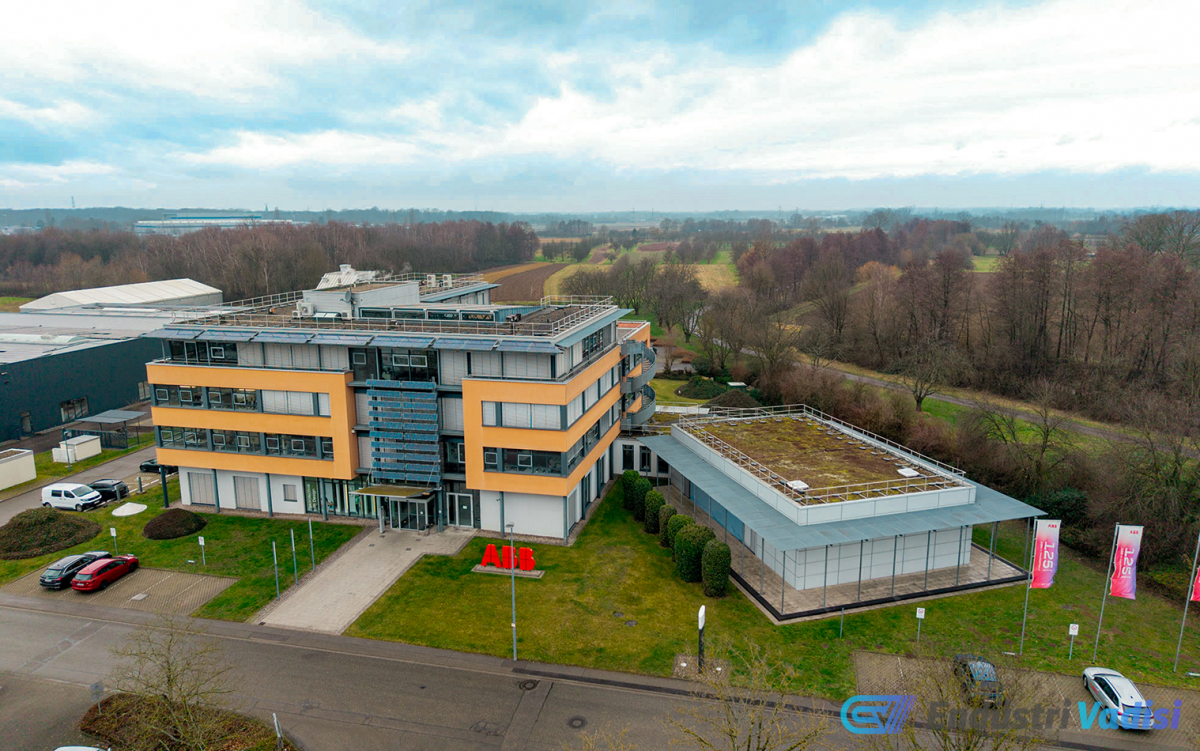
ABB is advancing its Mission to Zero program at its Sasbach manufacturing facility in Germany, achieving significant carbon emission reductions through renewable energy, electrification, and digital energy management, while also strengthening energy resilience.
The Sasbach facility produces enclosures and power distribution systems for local and regional markets, supporting ABB's manufacturing network in Germany. As part of the Mission to Zero program, a data-driven carbon reduction roadmap focused on energy efficiency, renewable electricity, and intelligent energy management is being implemented at the plant. Sasbach is one of 37 ABB facilities worldwide participating in the program.
With the manufacturing sector accounting for approximately one-fifth of global carbon emissions, increasing energy efficiency and accelerating electrification are critical to achieving Europe's climate goals. The Sasbach example demonstrates how manufacturers can reduce their emissions while maintaining reliable and competitive operations.
### Sasbach Facility Carbon Emission Reductions
- Total CO₂ savings amount to approximately 3786 tons.
- Savings from net purchased certified renewable electricity are 2700 tons of CO₂.
- On-site measures achieve an annual reduction of approximately 1086 tons of CO₂.
- Approximately 550 tons of this annual on-site saving come from solar energy.
- The facility generates approximately 1,500 megawatt-hours of electricity per year with 3,410 photovoltaic modules, equivalent to the annual consumption of about 400 homes.
The electricity generated on-site covers approximately one-third of the total electricity demand, providing protection against fluctuating energy prices and ensuring long-term energy security. A newly installed transformer station enables efficient and stable integration of renewable energy into the facility. The remaining emission reductions are achieved through electrified production improvements, energy efficiency measures, and digital energy management.
"What we are doing in Sasbach demonstrates how the Mission to Zero™ program works in practice," says Mike Mustapha, President of ABB Electrification Smart Buildings Division. "By investing in renewable energy, electrifying our processes, and using digital energy management, we are reducing emissions while simultaneously increasing energy resilience and operational stability. Such tangible progress is what matters most for manufacturers in the energy transition."
ABB also continues to reduce energy demand at the source by modernizing its production processes. The new powder coating plant increases production capacity while significantly lowering energy requirements. The two-story facility incorporates heat recovery and uses much less installed heating power compared to traditional systems, contributing to efficiency and production reliability.
Additional efficiency measures are being implemented across the facility, including full LED lighting, ABB i-bus KNX building automation, waste heat recovery from compressed air systems, and optimized process controls. Furthermore, 21 electric vehicle charging stations support low-emission transportation for employees and visitors.
These initiatives provide significant improvements in energy efficiency compared to 2019 levels, while contributing to the stabilization of operations and reduction of operating costs. ABB's Building Management System (BMS) and energy management solutions provide real-time visibility into energy usage, supporting continuous improvement and data-driven decision-making processes.
### Future Steps and Strategy
ABB has outlined a clear roadmap for the next phase of carbon reduction at Sasbach. Battery storage systems are planned to store surplus solar energy and support production during peak demand and night shifts. Electric heat pump solutions are being gradually implemented to replace gas-fired heating systems, reducing reliance on fossil fuels. Additionally, the potential for local wind energy generation is being evaluated.
As part of the growing Mission to Zero network across Europe, the Americas, and Asia, the Sasbach facility offers measurable progress in low-carbon manufacturing through electrification, digitalization, and energy efficiency. ABB facilities are achieving CO₂ equivalent emission reductions exceeding 60,000 tons annually.
With ongoing investments in renewable electricity, electrified processes, and intelligent energy management, ABB's Sasbach facility combines environmental responsibility with operational performance, supporting a more resilient and efficient industrial infrastructure.
---
### About ABB
ABB is a global technology leader in electrification and automation. By combining engineering and digitalization expertise, it enables industries to operate at high performance while helping them achieve efficiency, productivity, and sustainability goals. ABB has a history of over 140 years and employs approximately 110,000 people.
### About ABB Electrification
ABB Electrification is a global technology leader focused on safely and efficiently delivering electricity from source to socket. With over 50,000 employees in 100 countries, it solves challenges in power distribution and energy management. It offers safe and sustainable electrification solutions in the face of the energy transition and increasing electricity demand.