



Gooseyluke
Endüstri Vadisi
- Thread Author
- #1
3D printers and prototyping technologies are creating a significant transformation in today's industrial production processes. They are used in a wide range of fields, from industry to defense, from the healthcare sector to art and design. They provide a competitive advantage by offering speed, flexibility, and cost-effectiveness in product development processes. 3D printers convert digital designs prepared in a computer environment into physical objects in a short time, increasing efficiency at every stage of the design process.
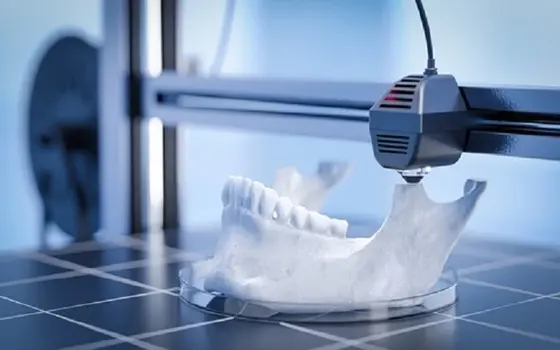
In the production process, the digital model's exact physical counterpart is obtained by melting, joining, or hardening the material and stacking it layer by layer. This method reduces material waste and allows for the easy production of complex geometric designs compared to traditional manufacturing processes.
After printing is complete, the prototype is removed from the print platform, cleaned, and additional surface treatments are applied if necessary. In the final stage, the prototype is tested to evaluate the design's functionality, durability, and aesthetic properties.
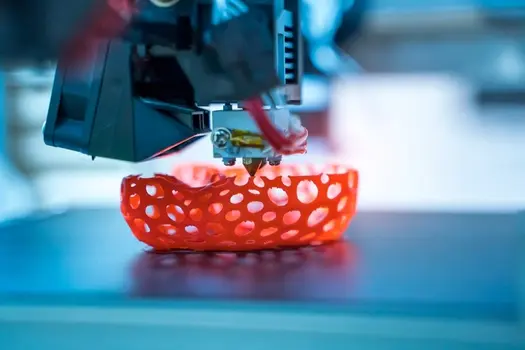
What is 3D Prototyping Used For?
In an academic context, 3D printers and prototyping technologies have become one of the fundamental tools in R&D processes. Designers, engineers, and production specialists can shorten the product development cycle and apply iterative improvement methods more efficiently thanks to this technology.
This enables the development of innovative solutions not only in industrial production but also in a wide range of applications, from medical prostheses to architectural models, from works of art to personalized products. Indeed, 3D prototyping does not only create a physical copy of the product. It also minimizes cost and time losses by detecting errors before production.
What is a 3D Printer? What are the Differences from Prototyping?
From a technological perspective, 3D printers are devices that operate on the principle of additive manufacturing. These devices construct three-dimensional models created in computer-aided design software, layer by layer, using the selected material.In the production process, the digital model's exact physical counterpart is obtained by melting, joining, or hardening the material and stacking it layer by layer. This method reduces material waste and allows for the easy production of complex geometric designs compared to traditional manufacturing processes.
What is 3D Prototyping?
The 3D prototyping process begins with the creation of the design in a digital environment. In the first stage, a three-dimensional model containing all the technical specifications of the product is prepared using CAD software. This digital model is then subjected to a slicing process in a format that the 3D printer can read. The slicing software defines each layer of the model separately and transmits the necessary production instructions to the printer. When the printing process is initiated, the device constructs the layers one on top of the other according to the determined production method and material.After printing is complete, the prototype is removed from the print platform, cleaned, and additional surface treatments are applied if necessary. In the final stage, the prototype is tested to evaluate the design's functionality, durability, and aesthetic properties.
What is 3D Prototyping Used For?
In an academic context, 3D printers and prototyping technologies have become one of the fundamental tools in R&D processes. Designers, engineers, and production specialists can shorten the product development cycle and apply iterative improvement methods more efficiently thanks to this technology.
This enables the development of innovative solutions not only in industrial production but also in a wide range of applications, from medical prostheses to architectural models, from works of art to personalized products. Indeed, 3D prototyping does not only create a physical copy of the product. It also minimizes cost and time losses by detecting errors before production.