




Gooseyluke
Endüstri Vadisi
- Thread Author
- #1
Prototype production is one of the fundamental stages of the product development process, allowing the design to be evaluated through a tangible model. A prototype enables the testing of a design idea in terms of functionality, ergonomics, aesthetics, and performance. This makes it possible to identify potential problems in advance, detect design flaws, and implement improvements for product development. While traditional prototyping methods require lengthy and costly processes, the evolving 3D printing technologies in recent years are making this process more efficient.
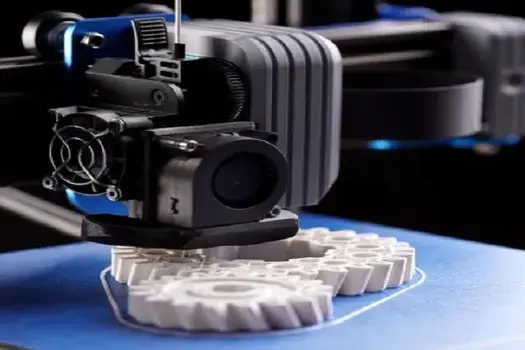
3D prototyping refers to the transformation of digital models created using computer-aided design software into physical objects using additive manufacturing techniques. This method allows designers and engineers to quickly test their products, make iterative changes to the design when necessary, and perform performance evaluations under real-world conditions. While polymers such as ABS, PLA, and resin are primarily used, metal or composite materials can also be preferred depending on project requirements.
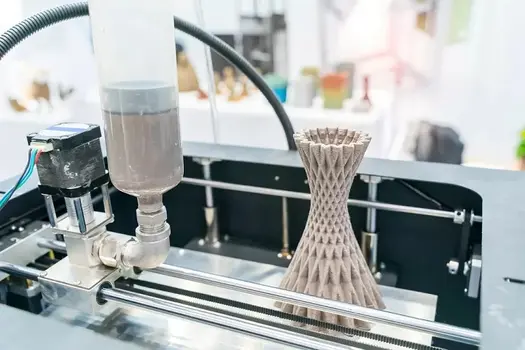
The obtained test results provide direct feedback for the next stage of the design process. Thus, problems identified on the prototype are addressed, necessary optimizations are made, and if needed, the production process is re-entered. This cycle enables the final product to achieve the targeted quality standards, both technically and aesthetically. Prototype production is not just a manufacturing step; it also ensures the continuous improvement of design and engineering processes.
3D prototyping refers to the transformation of digital models created using computer-aided design software into physical objects using additive manufacturing techniques. This method allows designers and engineers to quickly test their products, make iterative changes to the design when necessary, and perform performance evaluations under real-world conditions. While polymers such as ABS, PLA, and resin are primarily used, metal or composite materials can also be preferred depending on project requirements.
How Does the 3D Prototyping Production Process Work?
The prototype production process generally consists of specific stages. First, a digital model of the product is created and converted into formats that 3D printers can read, such as STL. Then, technical parameters such as layer thickness, infill density, and print speed are set on the model transferred to the printer software. The physical production of the prototype is carried out in accordance with the selected production method and material. After production, functional tests, durability measurements, and user experience analyses are performed on the prototype.The obtained test results provide direct feedback for the next stage of the design process. Thus, problems identified on the prototype are addressed, necessary optimizations are made, and if needed, the production process is re-entered. This cycle enables the final product to achieve the targeted quality standards, both technically and aesthetically. Prototype production is not just a manufacturing step; it also ensures the continuous improvement of design and engineering processes.